 EN
EN


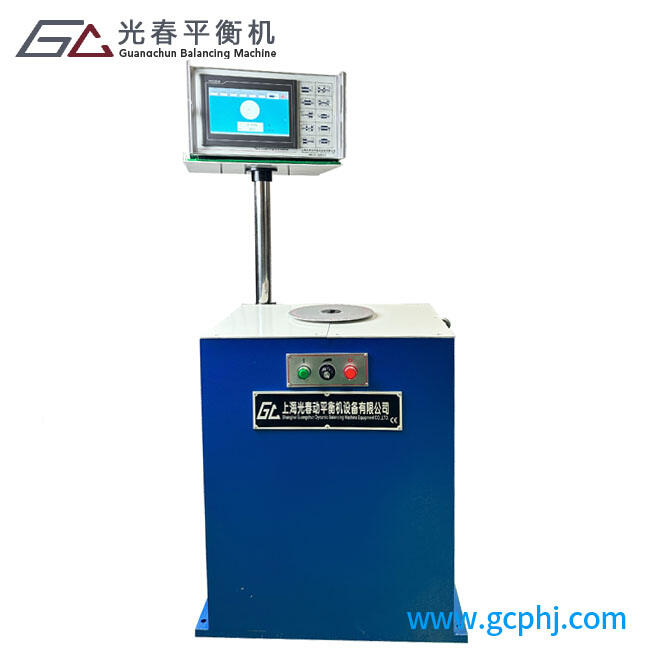
Regular calibration of your rotor balancing machine forms the cornerstone of maintaining precision and reliability in dynamic balancing operations. When a rotor balancing machine operates without proper calibration schedules, measurement accuracy gradually deteriorates, leading to inconsistent results that can compromise equipment performance and operational safety. Understanding how calibration directly impacts balancing consistency helps maintenance professionals and engineers implement effective quality control protocols that ensure long-term equipment reliability.
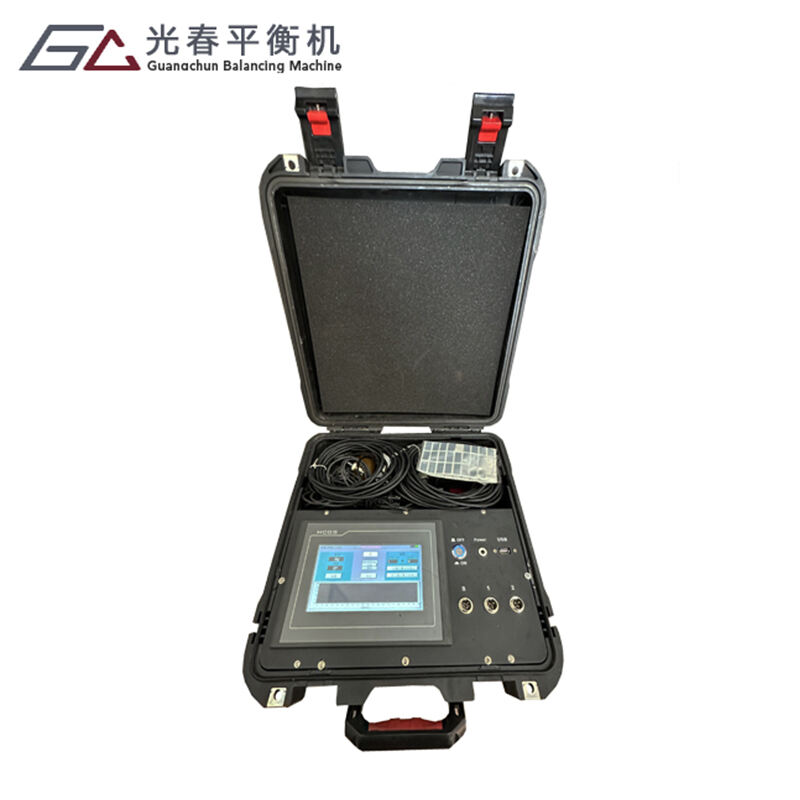
The relationship between calibration frequency and measurement consistency becomes particularly critical in industrial environments where rotor balancing machines operate continuously under varying conditions. Temperature fluctuations, mechanical wear, and electronic component drift naturally affect sensor sensitivity and measurement accuracy over time. Through systematic calibration procedures, operators can identify and correct these deviations before they accumulate into significant measurement errors that compromise balancing quality and threaten equipment integrity.
Calibration's Role in Measurement Accuracy Preservation
Sensor Sensitivity Maintenance Through Calibration
Vibration sensors and force transducers within a rotor balancing machine experience gradual sensitivity changes due to mechanical stress, temperature cycling, and electronic component aging. Regular calibration procedures verify that these sensors maintain their specified sensitivity ranges and linear response characteristics. When calibration reveals sensor drift beyond acceptable limits, technicians can apply correction factors or replace components before measurement accuracy suffers significantly.
The calibration process typically involves applying known reference signals to each sensor channel and comparing measured responses against established standards. This verification ensures that vibration amplitude measurements remain accurate across the full operating range of the rotor balancing machine. Without regular calibration, sensor sensitivity drift can cause gradual measurement errors that accumulate over time, making it impossible to achieve consistent balancing results.
Electronic System Stability Verification
Modern rotor balancing machine systems rely on sophisticated analog-to-digital converters, signal conditioning circuits, and processing algorithms that require periodic calibration to maintain accuracy. Electronic component tolerances naturally drift with age and environmental exposure, affecting measurement precision and calculation accuracy. Regular calibration procedures verify that these electronic systems maintain their specified performance parameters.
Signal processing accuracy becomes particularly important when measuring small unbalance amounts or working with high-precision applications. Even minor electronic drift can introduce measurement uncertainties that compromise balancing quality. Through systematic calibration, technicians ensure that electronic gain, offset, and linearity characteristics remain within specification, preserving the measurement integrity essential for consistent balancing results.
Mechanical Reference Point Stability
Support System Alignment Verification
The mechanical support system of a rotor balancing machine must maintain precise geometric relationships to ensure accurate unbalance measurements. Regular calibration procedures verify that support bearings, drive mechanisms, and restraint systems maintain their specified positions and orientations. Any mechanical displacement or misalignment directly affects measurement accuracy and can introduce systematic errors that compromise balancing consistency.
Calibration protocols typically include checking support bearing alignment, verifying drive shaft runout, and confirming that measurement reference points remain stable. These mechanical reference points form the foundation for all unbalance calculations, and even small deviations can propagate through the measurement system, causing significant errors in final balancing results. Regular verification ensures that mechanical systems maintain their precision throughout extended operation periods.
Rotational Speed Control Accuracy
Accurate speed measurement and control directly impact the quality of unbalance measurements performed by a rotor balancing machine. Speed fluctuations or measurement errors affect the relationship between unbalance forces and resulting vibrations, compromising calculation accuracy. Regular calibration of speed measurement systems ensures that rotational velocity data remains precise and stable throughout the balancing process.
Speed control systems require periodic verification to ensure they maintain specified accuracy levels across the full operating range. This includes checking encoder resolution, verifying drive system response, and confirming that speed feedback remains accurate under varying load conditions. Proper speed calibration ensures that unbalance calculations remain accurate regardless of rotor characteristics or operating conditions.
Environmental Compensation and Drift Correction
Temperature Effect Mitigation
Temperature variations significantly affect the performance characteristics of sensitive measurement components in a rotor balancing machine. Sensor materials, electronic circuits, and mechanical structures all exhibit temperature-dependent behavior that can introduce measurement errors if not properly compensated. Regular calibration procedures establish baseline performance characteristics at known temperatures and identify correction factors needed to maintain accuracy across operating temperature ranges.
Temperature compensation becomes particularly important in environments with significant thermal cycling or seasonal variations. Without proper calibration and compensation, temperature-induced errors can cause measurement inconsistencies that make it difficult to achieve repeatable balancing results. Systematic calibration helps establish temperature correction algorithms that automatically compensate for thermal effects, ensuring consistent performance regardless of environmental conditions.
Long-Term Drift Detection and Correction
All measurement systems experience gradual performance drift over extended periods due to component aging, mechanical wear, and environmental exposure. Regular calibration of a rotor balancing machine provides systematic tracking of these drift patterns, enabling proactive correction before measurement accuracy degrades significantly. This preventive approach maintains consistent balancing performance while minimizing the risk of undetected measurement errors.
Drift correction protocols involve establishing measurement trends over time and applying appropriate compensation factors to maintain accuracy. This process requires maintaining detailed calibration records that document system performance characteristics and identify emerging drift patterns. Early detection of drift trends allows maintenance teams to schedule corrective actions before measurement quality suffers, ensuring continuous balancing consistency.
Quality Assurance Through Calibration Documentation
Traceability and Compliance Maintenance
Regular calibration of rotor balancing machine equipment establishes measurement traceability to national or international standards, ensuring that balancing results meet quality system requirements. This traceability becomes essential for industries with strict quality compliance mandates, where measurement accuracy must be verified and documented according to established protocols. Proper calibration documentation provides the audit trail necessary to demonstrate measurement validity and regulatory compliance.
Calibration certificates and records form an integral part of quality management systems, providing evidence that measurement equipment maintains specified accuracy levels. This documentation becomes particularly important when balancing results affect product quality, safety, or regulatory compliance. Regular calibration ensures that measurement systems remain qualified for their intended applications and maintain the accuracy needed for critical balancing operations.
Performance Trending and Predictive Maintenance
Systematic calibration of rotor balancing machine systems generates performance data that enables predictive maintenance strategies and equipment optimization. By tracking calibration results over time, maintenance teams can identify component degradation patterns and schedule replacements before failures occur. This proactive approach minimizes unscheduled downtime while ensuring continuous measurement accuracy.
Performance trending data from regular calibration also helps optimize maintenance intervals and identify opportunities for system improvements. Understanding how different components age and drift allows maintenance teams to develop targeted maintenance strategies that maximize equipment availability while maintaining measurement quality. This data-driven approach to maintenance planning ensures that rotor balancing machine systems deliver consistent results throughout their operational lifecycle.
FAQ
How often should a rotor balancing machine be calibrated?
Calibration frequency depends on usage intensity, environmental conditions, and accuracy requirements, but most industrial rotor balancing machines should be calibrated quarterly or semi-annually. High-precision applications or harsh operating environments may require monthly calibration, while laboratory instruments with light usage might maintain accuracy with annual calibration schedules.
What happens if calibration is skipped or delayed?
Delayed calibration allows measurement errors to accumulate gradually, leading to inconsistent balancing results that may not be immediately apparent. Over time, these errors can cause improperly balanced rotors to be released into service, potentially leading to equipment vibration, bearing failures, and operational problems that could have been prevented through regular calibration maintenance.
Can environmental conditions affect calibration stability?
Yes, temperature fluctuations, humidity changes, and vibration exposure can significantly impact calibration stability of sensitive measurement components. Rotor balancing machines operating in controlled environments typically maintain calibration longer than those exposed to harsh industrial conditions, requiring adjustment of calibration intervals based on specific environmental challenges.
What documentation should be maintained for calibration records?
Complete calibration records should include calibration dates, reference standards used, measured values, correction factors applied, and technician certifications. This documentation provides traceability for quality audits, helps identify drift patterns, and ensures compliance with industry standards that require verified measurement accuracy for critical balancing applications.

