 EN
EN


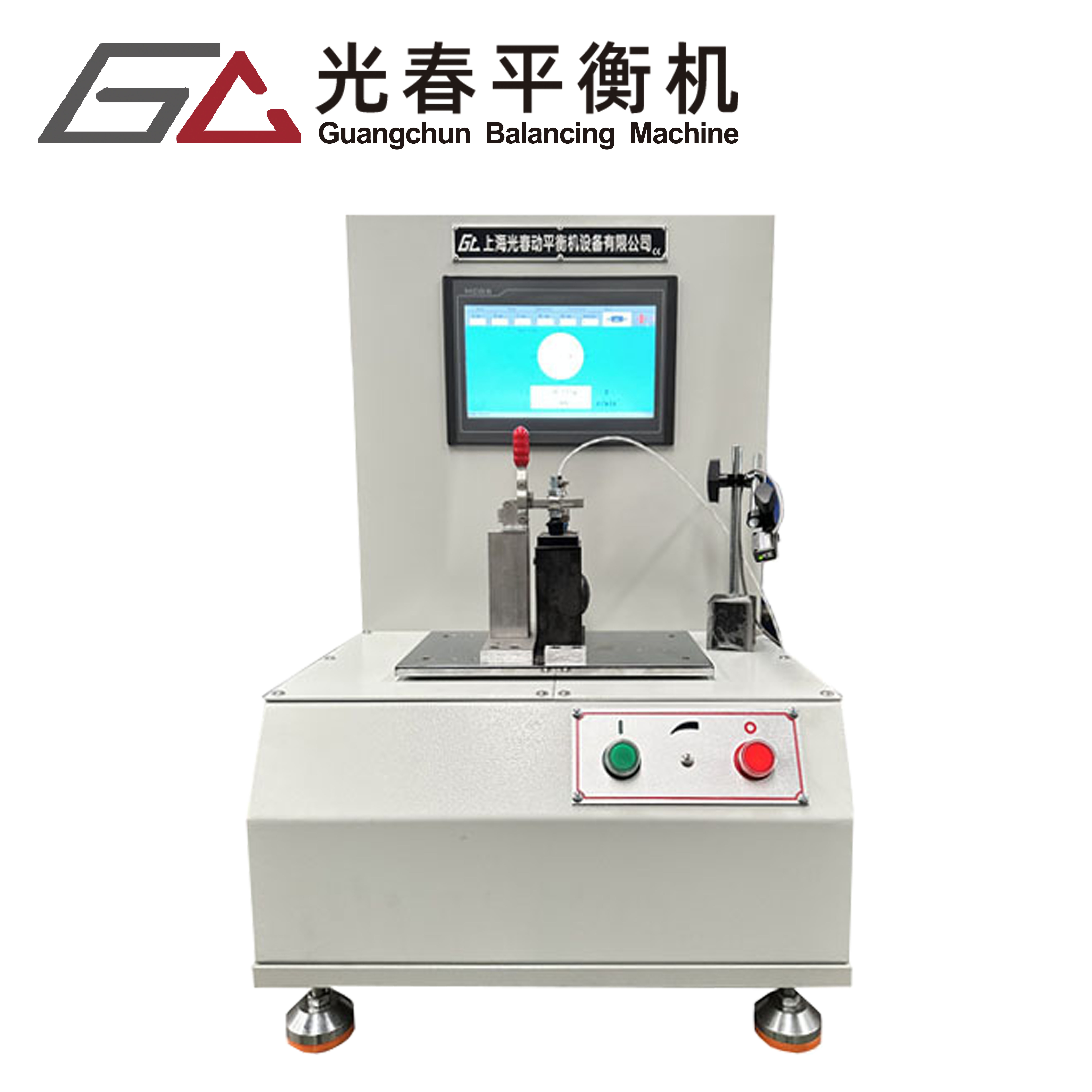
Selecting the appropriate rotor support configurations for dynamic balancing machines directly impacts measurement accuracy, operational efficiency, and equipment longevity across industrial applications. The choice between belt drive and universal joint support systems fundamentally determines how rotating components are held, driven, and measured during the balancing process, making this decision critical for manufacturers seeking optimal balancing performance.
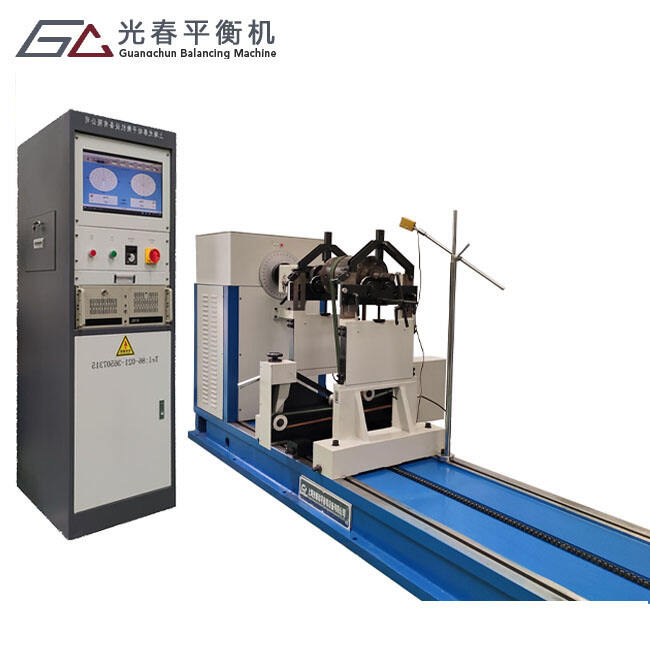
Understanding the mechanical principles, application requirements, and performance characteristics of different rotor support configurations enables engineers and production managers to make informed decisions that align with their specific balancing needs. Each support system offers distinct advantages and limitations that must be carefully evaluated against factors such as rotor weight, size, surface finish requirements, and production volume demands.
Fundamental Principles of Rotor Support Systems
Belt Drive Support Mechanism
Belt drive rotor support configurations utilize flexible rubber or polyurethane belts to support and rotate the workpiece during balancing operations. This system employs two parallel belts positioned beneath the rotor, creating a cradle-like support structure that distributes the rotor's weight evenly across the belt surface. The belts are driven by motor-powered rollers, transmitting rotational motion to the rotor through friction contact.
The belt drive mechanism provides excellent vibration isolation between the drive system and the rotor being balanced. This isolation minimizes the transmission of motor vibrations and other external disturbances to the measurement system, resulting in cleaner vibration signals and improved measurement accuracy. The flexible nature of the belts also accommodates slight misalignments and variations in rotor diameter without introducing additional mechanical stress.
Belt drive systems typically operate at lower rotational speeds compared to universal joint configurations, making them particularly suitable for applications where precise control of rotational velocity is required. The friction-based drive mechanism allows for smooth acceleration and deceleration profiles, reducing the risk of slip-induced measurement errors during critical balancing procedures.
Universal Joint Support Principles
Universal joint rotor support configurations employ mechanical couplings to directly connect the rotor to the balancing machine's drive system. These joints, also known as cardan joints or U-joints, consist of a cross-shaped mechanism that allows rotational motion transmission while accommodating angular misalignment between the drive shaft and the rotor centerline.
The direct mechanical connection provided by universal joints enables precise control of rotor positioning and rotational speed throughout the balancing process. This rigid coupling eliminates slip-related uncertainties that can occur with friction-based drive systems, ensuring consistent rotational velocity and accurate phase angle measurements during dynamic balancing operations.
Universal joint systems excel in applications requiring high rotational speeds and precise angular positioning. The mechanical coupling can transmit substantial torque loads, making these rotor support configurations ideal for heavy rotors or applications where significant drive torque is necessary to overcome bearing friction or aerodynamic resistance.
Application Suitability Analysis
Belt Drive Application Advantages
Belt drive rotor support configurations demonstrate superior performance in applications involving delicate or finished surfaces where contact marks must be avoided. The soft belt material creates minimal surface pressure and eliminates the risk of scratches, dents, or other cosmetic damage that could compromise product quality or aesthetic requirements.
These systems prove particularly effective for balancing rotors with irregular geometries or varying diameters along their length. The conformable nature of belt supports automatically adjusts to accommodate different rotor profiles, eliminating the need for custom fixtures or complex setup procedures that would be required with rigid support systems.
Belt drive configurations excel in production environments where frequent rotor changeovers are required. The setup process involves simply positioning the rotor on the belts without complex alignment procedures or mechanical connections, significantly reducing changeover time and improving overall production efficiency. This flexibility makes belt drive systems ideal for job shop operations or facilities handling diverse rotor types.
Universal Joint Application Benefits
Universal joint rotor support configurations provide optimal performance for applications requiring high-speed balancing operations where centrifugal forces and dynamic effects become significant factors. The rigid mechanical connection ensures stable rotor positioning even at elevated rotational velocities, preventing the belt slip or rotor migration that could compromise measurement accuracy at high speeds.
These systems demonstrate particular advantages when balancing heavy rotors where substantial drive torque is required to overcome inertial forces and bearing resistance. The direct mechanical coupling efficiently transmits power from the drive motor to the rotor without the energy losses associated with friction-based drive systems, enabling reliable operation with high-inertia workpieces.
Universal joint configurations prove essential for precision balancing applications where exact angular positioning and phase angle control are critical requirements. The elimination of slip between the drive system and rotor ensures that correction weight placement calculations maintain their accuracy throughout the balancing process, particularly important for applications with tight residual unbalance specifications.
Performance Characteristics Comparison
Measurement Accuracy Considerations
Belt drive rotor support configurations typically provide superior vibration isolation characteristics that enhance measurement sensitivity for detecting small unbalance forces. The flexible belt material acts as a mechanical filter, attenuating high-frequency vibrations and electrical noise that could interfere with sensitive vibration measurement systems, resulting in cleaner signal quality and improved measurement resolution.
The distributed support provided by belt systems reduces point loading effects that can introduce measurement errors in rotors with structural compliance or geometric irregularities. This distributed loading minimizes rotor deformation during rotation, ensuring that measured vibration amplitudes accurately represent the actual unbalance condition rather than structural deflections induced by concentrated support forces.
Universal joint systems offer advantages in measurement repeatability due to their precise mechanical positioning capabilities. The rigid coupling eliminates variables associated with belt tension, surface condition, or friction coefficient variations that can introduce measurement uncertainty in friction-driven systems, providing consistent results across multiple measurement cycles.
Operational Speed Ranges
Belt drive rotor support configurations typically operate effectively within speed ranges from 100 to 3000 RPM, with optimal performance occurring in the lower portion of this range where belt slip risks are minimized. The friction-based drive mechanism becomes less reliable at higher speeds due to centrifugal forces that reduce belt-to-rotor contact pressure and increase the likelihood of rotational slip.
Universal joint systems demonstrate superior high-speed capabilities, routinely operating at speeds exceeding 6000 RPM while maintaining precise rotational control and measurement accuracy. The mechanical coupling eliminates speed limitations associated with friction-based drive systems, making universal joint rotor support configurations the preferred choice for applications requiring high-speed dynamic balancing operations.
Speed selection for both systems must consider the rotor's critical speed characteristics and the specific balancing requirements of the application. Belt drive systems provide better control for operations near critical speeds where precise speed regulation is essential to avoid resonance conditions, while universal joint systems offer the capability to operate well above critical speeds when required by balancing specifications.
Selection Criteria and Decision Framework
Physical Rotor Characteristics
Rotor weight significantly influences the selection between belt drive and universal joint rotor support configurations. Belt systems demonstrate optimal performance with rotors weighing less than 500 kilograms, where the distributed support can adequately handle the load without excessive belt deformation or premature wear. Heavier rotors may cause belt stretching or sagging that compromises measurement accuracy and system reliability.
Surface finish requirements play a crucial role in determining appropriate support configurations. Rotors with polished, painted, or precision-machined surfaces benefit from belt drive systems that eliminate contact marking and surface damage risks. Conversely, rough or unfinished rotors can utilize universal joint systems where surface contact considerations are less critical and mechanical coupling advantages outweigh cosmetic concerns.
Rotor geometry and accessibility influence support system selection based on connection requirements and setup complexity. Rotors with accessible shaft ends or mounting features can effectively utilize universal joint systems, while rotors with limited access or unconventional geometries may require the flexibility offered by belt drive rotor support configurations.
Production Environment Factors
Production volume and changeover frequency requirements significantly impact the economic viability of different support configurations. High-volume operations with standardized rotor types benefit from universal joint systems that provide consistent performance and reduced per-part processing time, while facilities handling diverse rotor types favor belt drive systems that minimize setup complexity and changeover duration.
Quality requirements and tolerance specifications influence support system selection based on measurement accuracy and repeatability needs. Applications with stringent unbalance specifications may require the precision control offered by universal joint systems, while less critical applications can utilize belt drive configurations that provide adequate accuracy with simplified operation.
Maintenance considerations and operational costs affect long-term viability of rotor support configurations. Belt drive systems require periodic belt replacement and tension adjustments, while universal joint systems demand regular lubrication and wear monitoring of mechanical components. These maintenance requirements must be evaluated against available resources and operational preferences when selecting appropriate support configurations.
FAQ
What weight limits apply to belt drive versus universal joint rotor support configurations?
Belt drive systems typically handle rotors up to 500 kilograms effectively, while universal joint configurations can support substantially heavier rotors exceeding 1000 kilograms. The distributed load support of belt systems becomes less effective with heavier rotors due to belt deformation, whereas universal joint systems provide rigid support regardless of rotor weight within the machine's structural capacity.
How do surface finish requirements influence the choice between these rotor support configurations?
Belt drive systems are essential for rotors requiring pristine surface finishes, as the soft belt material eliminates contact marking and surface damage risks. Universal joint systems work well with rough or unfinished rotors where surface contact is acceptable, but should be avoided when cosmetic appearance or precision surface finishes must be preserved during balancing operations.
Which rotor support configuration provides better measurement accuracy for precision balancing applications?
Both configurations offer excellent accuracy within their optimal operating ranges. Belt drive systems provide superior vibration isolation and measurement sensitivity for detecting small unbalances, while universal joint systems deliver better repeatability and precision control for high-speed applications. The choice depends on specific accuracy requirements, operating speeds, and measurement sensitivity needs of the particular balancing application.
What maintenance requirements differ between belt drive and universal joint rotor support configurations?
Belt drive systems require periodic belt replacement every 6-12 months depending on usage, along with regular tension adjustments and belt condition monitoring. Universal joint systems need routine lubrication every 3-6 months, bearing maintenance, and mechanical wear inspection of joint components. Belt systems have lower maintenance complexity but higher consumable costs, while universal joint systems require more technical maintenance but offer longer service intervals between major overhauls.
Table of Contents
- Fundamental Principles of Rotor Support Systems
- Application Suitability Analysis
- Performance Characteristics Comparison
- Selection Criteria and Decision Framework
-
FAQ
- What weight limits apply to belt drive versus universal joint rotor support configurations?
- How do surface finish requirements influence the choice between these rotor support configurations?
- Which rotor support configuration provides better measurement accuracy for precision balancing applications?
- What maintenance requirements differ between belt drive and universal joint rotor support configurations?

