 EN
EN


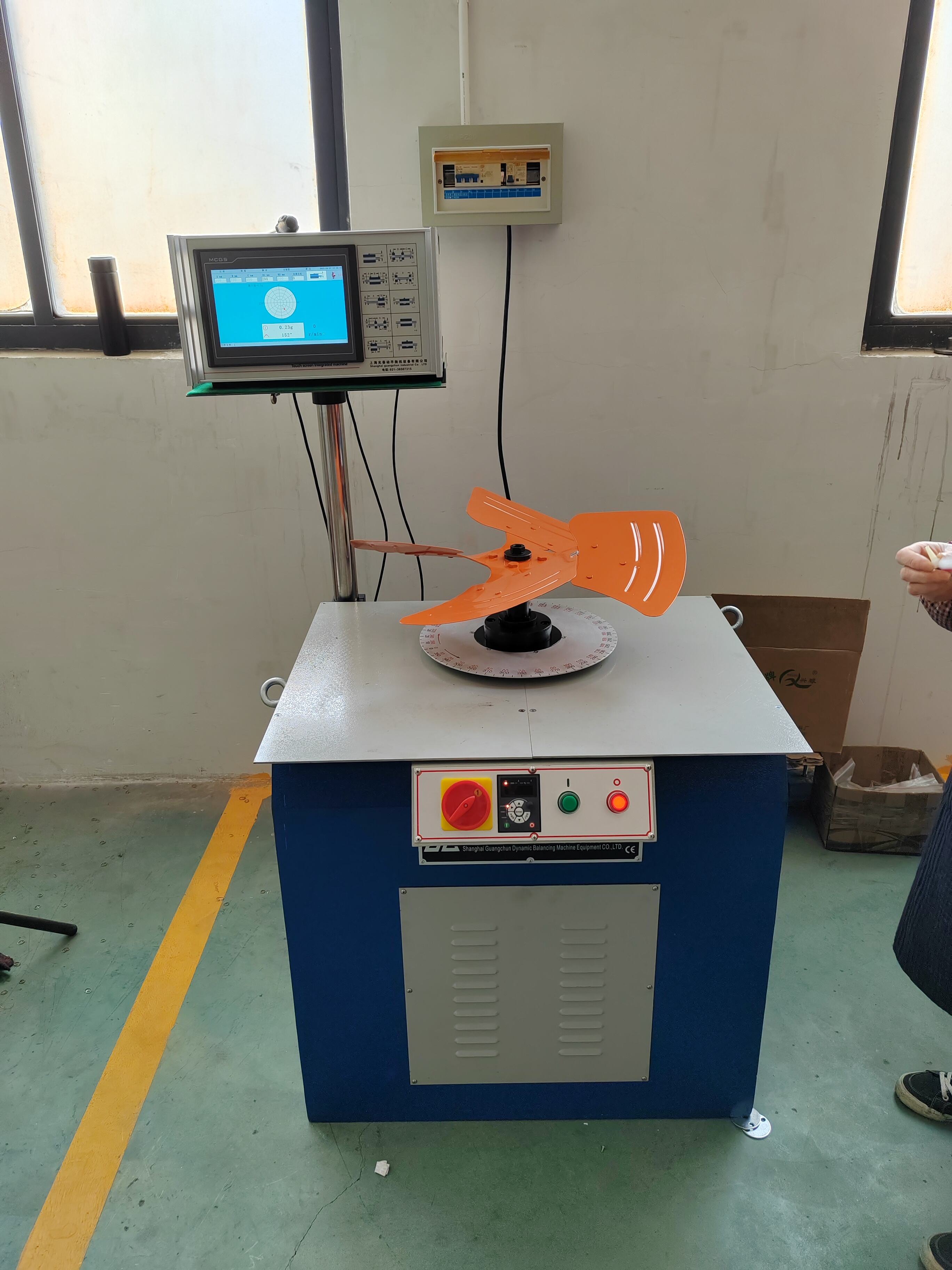
När man arbetar med tunga industriella roterande delar – från turbinkomponenter och generatoraggregat till storskaliga viktshjulsystem – är uppnående av exakt dynamisk balans inte bara en kvalitetspreferens, utan en grundläggande driftsnödvändighet. Valet av rätt balanseringsutrustning påverkar direkt mättnoggrannheten, utrustningens livslängd, operatörens säkerhet och den totala produktionseffektiviteten. Bland de tillgängliga balanseringsteknologierna sticker den hårdlagerade balanseringsmaskinen ut som den föredragna lösningen för applikationer med tunga roterande delar, eftersom den erbjuder oöverträffad styvhet, lastkapacitet och mätningssäkerhet – egenskaper som mjuklagerade system helt enkelt inte kan erbjuda vid högre massor.
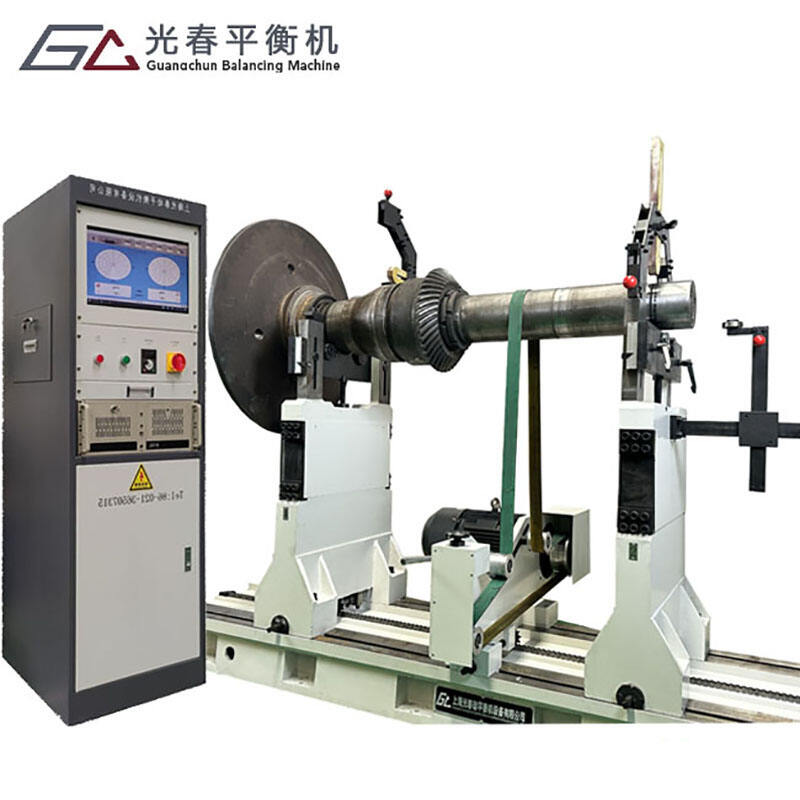
Den grundläggande frågan som ingenjörer och anläggningschefer står inför är varför en balansmaskin med styva lager särskilt löser de unika utmaningar som tunga roterande delar ställer, bättre än alternativa konstruktioner. Detta beslut har betydande konsekvenser för mätningens precision, maskinens hållbarhet, kalibreringsstabiliteten och avkastningen på investeringen på lång sikt. Att förstå de mekaniska principerna, de driftsmässiga fördelarna och de applikationsspecifika fördelarna med system med styva lager ger den tekniska grunden som krävs för att fatta välgrundade beslut om utrustningsinköp, vilka är i linje med både nuvarande produktionskrav och framtida kapacitetsplanering.
Att förstå de strukturella fördelarna med konstruktionen med styva lager för applikationer med tunga laster
Mekanisk styvhet och dess direkta inverkan på mätstabliteten
Den avgörande egenskapen hos en balansmaskin med hård upphängning ligger i dess exceptionellt styva mekaniska konstruktion, där den bärande ramen uppvisar styvhetsvärden som betydligt överstiger de dynamiska krafter som genereras av rotorns obalans. Denna grundläggande designprincip säkerställer att vibrationsförflyttningen förblir minimal även vid betydande obalansbelastningar, vilket skapar en stabil milmiljö som är avgörande för noggrann upptäckt av obalans. Till skillnad från system med mjuk upphängning, som bygger på flexibla upphängningselement avstämda för specifika frekvensområden, bibehåller balansmaskinen med hård upphängning sin strukturella integritet över ett brett driftspektrum, vilket gör den särskilt lämpad för arbete med tunga rotorer som ofta har varierande massa och geometri.
När tunga rotorer genererar obalanskrafter under rotation översätts dessa krafter till mätbara vibrationer som måste upptäckas och kvantifieras med hög noggrannhet. I en konfiguration med hård lagerstöd fångar specialiserade kraftsensorer, monterade direkt på den stela bärväxten, upp dessa dynamiska belastningar med minimal mekanisk förstärkning eller förvrängning. Stelheten säkerställer att de uppmätta signalerna direkt korrelerar till de faktiska obalanskrafterna snarare än att påverkas av strukturell eftergivlighet eller resonanseffekter. Denna direkta kraftmätning ger överlägsen noggrannhet för tunga komponenter där obalanskrafterna kan uppgå till flera tusen newton, ett område där mjukare upphängningssystem skulle utsättas för överdriven deformation och icke-linjära svarsegenskaper.
Konstruktion av bärförmåga och strukturell förstärkning
Tung rotorbalance kräver utrustning som kan bära betydande statiska laster samtidigt som den hanterar dynamiska krafter utan strukturell deformation eller lager skada. Maskinen för balansering på styva lagrar är utrustad med förstärkta sängramar, överskridande stora stödlager och kraftfulla drivsystem som är konstruerade specifikt för högkapacitetsapplikationer. Dessa strukturella element fungerar i samverkan för att fördela vikten jämnt över maskinens grundplatta, vilket förhindrar lokaliserade spänningskoncentrationer som kan försämra mätningens noggrannhet eller accelerera komponentslitage. Den tekniska filosofin prioriterar mekanisk styrka och dimensionsstabilitet framför viktreduktion, med insikten om att tunga applikationer kräver proportionellt robust utrustning.
Lagermontageerna själva utgör kritiska konstruerade komponenter i tunga system med fasta lager. Dessa precisionslager måste samtidigt bära radiella och axiella belastningar från rotormassan samtidigt som de visar minimal variation i friktion, vilket annars kan introducera mätbrus. Lager av hög kvalitet, t.ex. rullager eller koniska rullager med lämpliga förspänningsinställningar, säkerställer en jämn rotation och positionell upprepbarhet över flera balanseringsomgångar. Lagerhusen integrerar kraftmätningsgivare som placeras så att de fångar vibrationsignalerna utan störning från strukturella svängningsmoder eller yttre störningar. Denna integrerade ansats för lasthantering och signalinsamling definierar den operativa överlägsenheten hos system med fasta lager i krävande industriella miljöer.
Varför mättnoggrannheten förbättras med system med fasta lager för tunga komponenter
Direkt kraftmätning jämfört med förflyttningsdetektering
Det grundläggande mätprincipen som skiljer maskiner för balansering på styva lagringar från alternativen med mjuka lagringar handlar om den fysiska parametern som detekteras. System med mjuka lagringar mäter förskjutning – den fysiska rörelsen hos upphängda korgar eller pendelstöd som svarar på obalanskrafter. Denna förskjutningsbaserade metod fungerar effektivt för lättare rotorer, där upphängningssystemen kan avstämmas till specifika frekvensområden och där strukturella deformationer förblir inom linjära svarsområden. När rotorernas massa dock ökar, växer obalanskrafterna proportionellt, vilket driver system med mjuka lagringar mot deras mekaniska gränser, där icke-linjäriteter, friktionspåverkan och strukturell eftergivlighet introducerar mätosäkerheter.
I motsats till detta använder balansmaskinen med hård upphängning direkt kraftmätning genom strategiskt placerade lastceller eller piezoelektriska sensorer som är integrerade i den stela bärväxten. Dessa omvandlare detekterar de dynamiska krafterna som överförs genom lagerstöden när den obalanserade rotorn roterar och omvandlar mekanisk kraft direkt till elektriska signaler som är proportionella mot obalansens storlek och fasvinkel. Denna direkta mätväg eliminerar den mellanliggande mekaniska eftergivligheten som finns i maskiner med mjuk upphängning, vilket minskar signaldistortion och förbättrar mätlinjäriteten över ett bredare kraftområde. För tunga rotorer som genererar betydande obalanskrafter ger denna direkta sensningsteknik konsekvent noggranna avläsningar utan kalibreringsdrift eller försämrad känslighet, vilka ofta förekommer i förskjutningsbaserade system som arbetar nära sina konstruktionsgränser.
Frekvensresponskaraktäristik och bredbandsförmåga
Driftområdet för rotationshastigheten hos tunga industriella rotorer sträcker sig från låghastighetskalibreringskörningar till nominella driftshastigheter, vilka kan variera kraftigt mellan olika rotortyper. En balansmaskin med styva lager upprätthåller konsekvent mät noggrannhet över hela detta hastighetsspektrum tack vare sina bredbandiga frekvensresponskarakteristika. Den stela konstruktionen uppvisar egenvinkelfrekvenser långt över typiska rotor driftshastigheter, vilket säkerställer att mätsystemet arbetar i ett område med konstant känslighet utan att påverkas av resonanseffekter som skulle kunna förstärka eller dämpa signaler vid specifika hastigheter.
Denna bredbandiga funktionalitet visar sig särskilt värdefull vid balansering av tunga rotorer med komplex geometri eller variabla driftförhållanden. Komponenter såsom turboaggregat, industriella fläktar och flerstegspumpar kan kräva balansverifiering vid flera olika varvtal för att säkerställa acceptabla vibrationsnivåer genom hela deras driftområde. Den hårbärande balansmaskinen möter dessa krav utan behov av omkalibrering eller ändring av mätläge, vilket effektiviserar balanseringsarbetsflödet och minskar installations- och inställningstiden mellan olika rotortyper. Frekvensoberoendet förbättrar även mätningens tillförlitlighet under accelerations- och decelerationsfaserna, vilket möjliggör dynamisk analys av rotorernas beteende över hela varvtalsområdet i stället för att begränsa mätningarna till smala varvtalsband där mjukbärande system uppnår optimal känslighet.
Driftfördelar som motiverar investering i hårbärande teknik
Kalibreringsstabilitet och långsiktig mätningens konsekvens
Industriella balanseringsoperationer kräver utrustning som bibehåller kalibreringsnoggrannheten under långa produktionsperioder med minimala krav på omkalibrering. Maskinen för balansering på hård upphängning utmärker sig i detta avseende tack vare sin mekaniskt stabila konstruktion, som motstår dimensionella förändringar orsakade av termisk cykling, mekanisk slitage och miljöfaktorer. Den styva konstruktionen visar minimal krypning eller sjunkning jämfört med upphängningssystem med mjuk upphängning, där böjbara element kan undergå gradvisa egenskapsförändringar som påverkar kalibreringskoefficienterna. Kraftsensorer monterade i tryckbelastningskonfigurationer visar exceptionell långsiktig stabilitet, med typiska driftshastigheter som mäts i tiondelar av en procent per år under normala industriella förhållanden.
Denna kalibreringsstabilitet översätts direkt till driftseffektivitet genom att minska driftstopp som orsakas av verifieringsförfaranden och omkalibreringsintervall. Anläggningar som balanserar tunga rotorer kan bygga upp förtroende för mätningens konsekvens genom periodiska verifieringskontroller istället för frekventa fullständiga omkalibreringar, vilket maximerar den produktiva utrustningens utnyttjande. Den förutsägbara sensorbeteendes enkelhet gör också kvalitetsdokumentationen och spårbarhetskraven enklare för branscher som opererar under strikta kvalitetsledningssystem. När kritiska komponenter med strikta obalansspecifikationer balanseras ger säkerheten om att maskinen för balansering på styva lager kommer att leverera återkommande mätvärden över flera skift och produktionsomgångar både teknisk och administrativ nytta som går utöver ren mätkapacitet.
Mångsidighet för olika rotorgeometrier och massintervall
I produktionen av tunga rotorer uppstår vanligtvis betydande variationer i komponenternas dimensioner, massfördelning och konfiguration. En enda anläggning kan balansera komponenter som sträcker sig från kompakta, högtdensitetsväxellådsmonteringar till långa, lågdensitetsturbinrotorer, där var och en ställer unika krav på stöd och har egna dynamiska egenskaper. Balansmaskinen med hård upphängning hanterar denna mångfald genom justerbar avstånd mellan stöden, anpassningsbara verktygsgränssnitt och konsekvent mätutförande oavsett rotorgeometri. Den styva bärstrukturen stödjer variabla konfigurationer utan att äventyra den strukturella integriteten eller introducera mätfel orsakade av böjningsvibrationer.
Den inbyggda robustheten hos hårdlagerade system gör det också möjligt att utföra balanseringsoperationer på roterande delar med initiala obalansförhållanden som skulle överbelasta eller skada mjuklagerade utrustningar. Grovbalansering vid första körningen av tunga gjutdelar eller svetskonstruktioner avslöjar ofta betydande obalans, vilket kräver tillägg eller borttagning av betydande korrektionsmassa. Den hårdlagerade balansmaskinen tål dessa högkraftsbelastningar utan mekanisk skada eller kalibreringsstörning, vilket möjliggör effektiva arbetsflöden från grov- till färdigbalansering inom en enda monteringsuppsättning. Denna funktion minskar hanteringskraven, minimerar kumulativa positionsfel från flera omplaceringar och ökar genomströmningen i högvolymsproduktionsscenarier där olika typer av roterande delar passerar genom gemensamma balansanläggningar.
Tekniska överväganden som styr beslut om balansering av tunga roterande delar
Krav på underlag och installationsoverväganden
Implementationen av en balansmaskin med hård lagerföring för tunga rotorapplikationer kräver noggrann uppmärksamhet på grundkonstruktionens utformning och installationsparametrar för att säkerställa optimal prestanda. Maskinens stela konstruktion kräver en motsvarande stabil grund som kan absorbera dynamiska laster utan att överföra vibrationer till angränsande utrustning eller ta emot miljövibrationer som kan förorena mätningarna. Vanliga installationer använder armerad betonggrund med lämpliga massförhållanden i förhållande till den sammanlagda vikten av maskin och rotor, ofta med integrerade vibrationsskiljande element för att koppla bort balanssystemet från byggnadsstrukturer.
Grundkonstruktionen måste ta hänsyn till både statisk lastfördelning och dynamiska kraftöverföringsmönster som är karakteristiska för konfigurationer med hårda lager. Till skillnad från mjuka lagersystem, som isolerar en stor del av den dynamiska energin inom sina upphängningselement, överför balansmaskinen med hårda lager obalanskrafter genom sin stela konstruktion till underlaget. En korrekt dimensionerad grund inkluderar tillräcklig massa och styvhet för att absorbera dessa krafter utan resonansförstärkning, samtidigt som den bibehåller sin horisontalitet och dimensionsstabilitet över tid. Installationskraven specificerar vanligtvis toleranser för grundens planhet, horisontalitet och isolering från markbundna vibrationer som kan ha sitt ursprung i närliggande tunga maskiner, trafik eller industriella processer. Dessa krav på grunden, även om de utgör en initial investeringsaspekt, bidrar i slutändan till mätningens tillförlitlighet och utrustningens livslängd – vilket motiverar implementeringsinsatsen.
Säkerhetsfunktioner och driftskyddssystem
Drift av tunga roterande delar vid balanseringshastigheter innebär inbyggda säkerhetsaspekter som balansmaskiner med styva lager hanterar genom flera skyddsfunktioner och samverkande säkerhetssystem. Den betydande kinetiska energin som lagras i roterande tunga komponenter kräver kraftfulla inneslutningskonstruktioner som kan stoppa rotorfragment i det osannolika fallet av katastrofal fel under balanseringskörningar. Moderna system med styva lager omfattar förstärkta skyddskapslar som är utformade enligt specifika krav på slagmotstånd, med samverkande åtkomstdörrar som förhindrar drift när skyddshinder inte är korrekt säkrade.
Utöver passiv inneslutning integrerar avancerade installationer av balansmaskiner med hård lagring aktiva övervakningssystem som kontinuerligt utvärderar driftsparametrar för villkor som kan tyda på potentiella säkerhetsrisker. Vibrationsovervakning som går utöver själva mätsensorerna upptäcker ovanlig dynamisk beteende som kan tyda på lösa fästningar, lagerproblem eller pågående rotordefekter innan dessa eskalerar till farliga förhållanden. Nödstopp-system med redundanta utlösningsvägar säkerställer omedelbar frånkoppling av drivningen och kontrollerad bromsning vid operatörens ingripande eller vid automatisk felupptäckt. Dessa omfattande säkerhetsåtgärder återspeglar den tekniska mognaden hos hårdlagringsteknologi som tillämpas på tunga rotorapplikationer, där driftsrisken ökar i proportion till komponentens massa och rotationsenergi.
Ekonomiskt värde och avkastningsanalys
Total ägarkostnad utöver inköpspriset
Investeringsbeslut angående balanseringsutrustning måste gå utöver de initiala anskaffningskostnaderna och omfatta hela äganderfarenheten, inklusive underhållskrav, förbrukningskostnader, kalibreringskostnader och påverkan på driftseffektiviteten. Balansmaskinen med hårt lager visar gynnsamma totala kostnadsegenskaper för tunga rotorapplikationer genom flera värdepåvägar. Den mekaniskt enkla, stela konstruktionen minimerar underhållsinsatser jämfört med mjuka lagersystem som kräver periodisk inspektion, utbyte och omkalibrering av upphängningselement. Lageranordningar i konfigurationer med hårt lager arbetar under väldefinierade belastningsförhållanden med enkla smörjkrav och förutsägbara serviceintervall.
Kalibreringsstabiliteten för mätsystemet minskar kostnaderna för pågående verifiering och de tillhörande produktionsavbrotten. Anläggningar kan införa förlängda kalibreringsintervall baserat på demonstrerad prestandahistorik i stället för konservativa intervall som krävs av mindre stabila mättekniker. Den stora mångsidigheten för olika rotortyper minskar behovet av flera specialiserade balansmaskiner, vilket leder till en sammanfattning av kapitalinvesteringar och utnyttjande av golvarea samt förenklar operatörsträning och logistik för underhåll av utrustning. När man utvärderar ekonomin för balansmaskiner med hård lagerstöd bör organisationer modellera dessa pågående driftsfördelar över realistiska servicelevtider för utrustningen, vilket vanligtvis avslöjar betydande ackumulerade besparingar som kompenserar för högre initiala inköpspriser jämfört med lättare alternativ som inte är lämpliga för krävande applikationer med tunga rotorer.
Produktionsgenomströmning och kvalitetssäkringsvärde
Den operativa effektivitet som möjliggörs av egenskaperna hos en balansmaskin med styva lager påverkar direkt produktionskostnaderna genom förkortade cykeltider och förbättrade framgångsrater vid första balanseringsomgången. Den snabba mätkapaciteten utan hastighetsberoende känslighetsvariationer möjliggör effektiva balanseringsarbetsflöden som minimerar icke-produktiv hantering av rotorer och installations tid. Mätningens noggrannhet och upprepningsbarhet minskar antalet iterativa korrektionscykler, vilket särskilt är värdefullt vid balansering av tunga komponenter som kräver omfattande materialborttagning eller -tillägg, där varje iteration innebär betydande arbetsinsats och potentiella kostnader för omarbete.
Fördelarna med kvalitetssäkring sträcker sig bortom enskild rotorbalance och omfattar även processkapacitet och dokumentationsfördelar. Den konsekventa mätutförandet stödjer initiativ för statistisk processtyrning, vilket möjliggör identifiering av tillverkningsvariationer i tidigare produktionssteg som påverkar rotorbalansens egenskaper, innan dessa sammanläggs till systematiska kvalitetsproblem. Spårbarhetsdokumentationen för kritiska applikationer drar nytta av kalibreringsstabiliteten och mätningarnas återproducibilitet hos hårdlagerade balansmaskiner, vilket förenklar efterlevnaden av branschspecifika kvalitetsstandarder och kundspecifikationer. Dessa kvalitetsrelaterade värdeelement bidrar till kundnöjdhet, minskade garantiavgifter och konkurrenskraftig differentiering – faktorer som slutligen motiverar investeringen i överlägsen balansteknologi, särskilt utformad för tunga rotorapplikationer.
Vanliga frågor
Vad är den typiska maximala rotormassan för hårdlagerade balansmaskiner?
Hårdlagerade balansmaskiner som är utformade för tunga rotorapplikationer erbjuder vanligtvis viktkapaciteter från flera hundratal kilogram upp till över 20 000 kilogram, med specialiserade system som kan hantera ännu tyngre komponenter. Den specifika kapaciteten beror på maskinens konstruktion, lagerdimensionering och drivsystemkonfiguration. Anpassade lösningar kan möta extrema krav som går utöver standardkatalogerbjudandena för unika industriella applikationer som kräver exceptionell lastkapacitet.
Hur hanterar en hårdlagerad balansmaskin rotor med mycket låg driftshastighet?
Balansmaskinen med hård lagring fungerar effektivt vid låga rotationshastigheter tack vare sin princip för direkt kraftmätning, som inte bygger på förstärkning av förflyttning och därför inte kräver minimihastighetsgränser. Kraftsensorerna upptäcker belastningar som orsakas av obalans oavsett rotationshastighet, även om signal–brus-förhållandet förbättras vid högre hastigheter där de dynamiska krafterna ökar. För applikationer som kräver balansverifiering vid mycket låga hastigheter säkerställer förbättrad signalbehandling och längre intervall för mätmedelvärdesbildning tillräcklig mupplösning utan att påverka noggrannheten.
Kan en balansmaskin med hård lagring eftermonteras eller uppgraderas när produktionskraven ändras?
De flesta designerna av balansmaskiner med hård lagerplats inkluderar modulära funktioner som möjliggör kapacitetsutvidgningar, uppgraderingar av mätssystem och integration av automatisering när driftbehoven utvecklas. Vanliga eftermonteringsalternativ inkluderar förlängda bäddlängder för att kunna ta emot längre rotorerna, uppgraderade drivsystem för högre hastighetskapacitet, avancerad instrumentering med förbättrad känslighet eller ytterligare mätkanaler samt integration av automatiserade lastsystem eller korrekturutrustning. Den styva strukturella grunden stödjer vanligtvis dessa förbättringar utan att kräva fullständig utbyte av maskinen, vilket skyddar den ursprungliga kapitalinvesteringen samtidigt som den anpassas till förändrade produktionskrav.
Vilka underhållsintervall är typiska för balansmaskiner med hård lagerplats vid tung rotorverkning?
Rutinunderhåll av balansmaskiner med hård lagerning innebär i allmänhet periodisk smörjning av lagren enligt tillverkarens specifikationer, vanligtvis med intervall som varierar från månadsvis till årligen beroende på driftcykel och miljöförhållanden. Verifiering av kalibreringen av kraftsensorer rekommenderas med intervall som varierar från kvartalsvis till årligen, beroende på mätningens kritikalitet och den påvisade kalibreringsstabiliteten. Komponenter i drivsystemet, inklusive remmar, lager och motorborstar, kräver inspektion och utbyte enligt slitageindikatorer och tillverkarens riktlinjer. Den mekaniskt robusta konstruktionen minimerar oplanerat underhåll jämfört med mer komplexa balansteknologier, vilket bidrar till hög utrustningsdisponibilitet för produktionsdrift.
Innehållsförteckning
- Att förstå de strukturella fördelarna med konstruktionen med styva lager för applikationer med tunga laster
- Varför mättnoggrannheten förbättras med system med fasta lager för tunga komponenter
- Driftfördelar som motiverar investering i hårbärande teknik
- Tekniska överväganden som styr beslut om balansering av tunga roterande delar
- Ekonomiskt värde och avkastningsanalys
-
Vanliga frågor
- Vad är den typiska maximala rotormassan för hårdlagerade balansmaskiner?
- Hur hanterar en hårdlagerad balansmaskin rotor med mycket låg driftshastighet?
- Kan en balansmaskin med hård lagring eftermonteras eller uppgraderas när produktionskraven ändras?
- Vilka underhållsintervall är typiska för balansmaskiner med hård lagerplats vid tung rotorverkning?

