 EN
EN


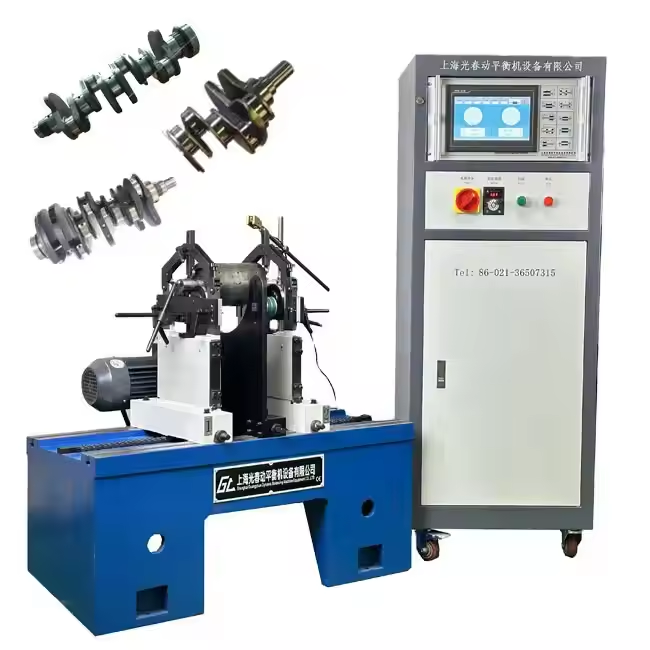
Точностното балансиране на деликатни компоненти предлага уникални предизвикателства в съвременните производствени среди. При работа с крехки ротори, леки сглобки или компоненти с ниска конструктивна твърдост традиционните системи с твърдо окачване могат да предизвикат излишно напрежение и потенциални повреди по време на изпитателния процес. Балансиращата машина с меко окачване решава тези проблеми чрез специализираната си система за окачване, която минимизира контактните сили, без да жертва точността на измерванията. Тази технология е станала задължителна за индустриите, които работят с чувствителни работни заготовки, където механичната цялост трябва да се запази през целия процес на балансиране.
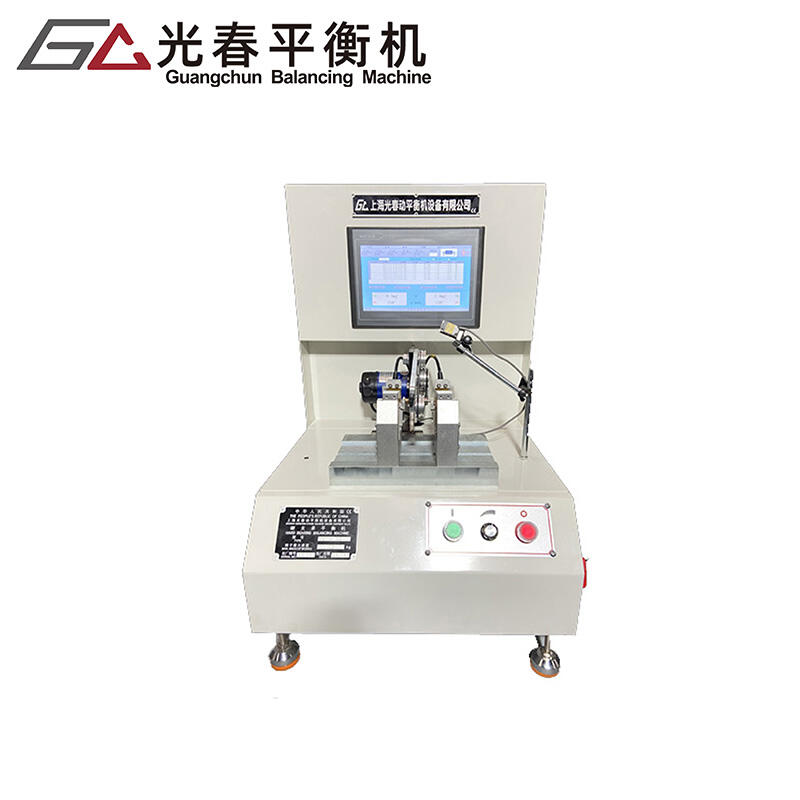
Отличителните характеристики на технологията с меко окачване я правят особено подходяща за приложения, при които предимство има защитата на обработваната детайла. За разлика от системите с твърдо монтиране, които прилагат значителни ограничителни сили, архитектурата с меко окачване позволява на компонентите да вибрират по-свободно в рамките на контролирани параметри, като драстично намалява механичното напрежение по време на въртене. Този подход се оказва изключително ценен при балансирането на прецизни инструменти, компоненти за медицински устройства, елементи за аерокосмическа техника и други приложения, при които дори незначителни повърхностни повреди или вътрешно напрежение могат да компрометират функционалността. Разбирането на конкретните предимства на тази методология за балансиране помага на производителите да избират подходящо оборудване за най-чувствителните си производствени изисквания.
Основни проектирани принципи на системите с меко окачване
Архитектура на окачването въз основа на пружини
Основното отличие на машината за общо балансиране с меко окачване се състои в нейната система за окачване с пружини, която поддържа роторната сглобка. Тези внимателно калибрирани пружини създават гъвкав интерфейс между въртящата се детайла и измервателните сензори, като позволяват на цялата люлееща се сглобка да се движи под действието на силите от неуравновесеността. Твърдостта на пружините се избира целенасочено така, че естествената честота на системата да се намира значително по-ниско от работния диапазон на скоростите, обикновено установявайки резонансните точки при 10–30 % от минималната скорост за балансиране. Това разделяне по честота гарантира, че по време на действителното измерване системата работи над резонансната си зона, където амплитудният отклик остава пропорционален на величината на неуравновесеността.
Математическата зависимост, която управлява това поведение, следва предсказуеми закономерности, базирани на динамиката на маса-пружина. Когато работната честота надвишава приблизително три пъти естествената честота, системата навлиза в област, в която преместването става директно пропорционално на силата от неуравновесие, независимо от ъгловата скорост. Тази характеристика позволява точни измервания в широк диапазон от скорости, без да се изискват корекции на калибрацията, специфични за скоростта. За деликатни заготовки това означава, че изпитването може да се извърши при по-ниски скорости, при които центробежните напрежения остават минимални, като все пак се получават надеждни данни за неуравновесието.
Инженерите определят константите на пружините въз основа на очаквания диапазон от маси на обработваната детайла и желаните характеристики на чувствителност. По-меките пружини увеличават чувствителността на измерването за леки компоненти, но могат да доведат до по-дълги времена на установяване и по-голяма податливост към външни вибрации. Предизвикателството при проектирането е да се оптимизира този компромис, за да се осигури съвместимост с целия спектър от приложения, като се запази достатъчен динамичен обхват и честотна лента на измерването.
Предаване на сила с ниско контактно ниво
Механичният интерфейс между машина за балансиране с меко окачване и обработваната детайла включва минимални сили на стягане в сравнение с твърдите системи. Приводните механизми обикновено използват гъвкави муфти или ремъчни предавки, които предават въртящия момент без значителни осеви или радиални натоварвания. Това деликатно предаване на мощност е от критично значение при работа с компоненти с тънки стени, чувствителни лагери или лесно деформируеми геометрии. Намалените сили на ограничение предотвратяват локализирани концентрации на напрежение, които биха могли да причинят постоянна деформация или повреда на повърхността.
Адаптерите за инструменти за тези системи включват конструктивни особености, които разпределят опорните натоварвания по по-големи повърхностни площи. Индивидуално проектираните приспособления често включват меки контактни подложки или адаптивни интерфейси, които се нагаждат към геометрията на компонентите, без да концентрират налягането. Този подход рязко контрастира с твърдоподпорните машини, при които твърдите оправки и плътно прилегащите арбори създават концентрирани контактни зони, които могат да оставят белези или да деформират чувствителни повърхности.
Характеристиките на вибрационна изолация, присъщи на меките подвесни системи, също защитават обработваните детайли от външни смущения. Амбиентните вибрации на пода и резонансите на сградата се затихват чрез ефекта на филтриране на пружинно-масова система, създавайки по-стабилна среда за изпитания. Тази изолация действа в двете посоки едновременно — защитава чувствителните компоненти от външни сили и в същото време предотвратява предаването на вибрациите, предизвикани от неуравновесеност, обратно към основната конструкция.
Ключови предимства за приложения с чувствителни компоненти
Защита на конструкции с ниска структурна твърдост
Компонентите с вродено ниска структурна твърдост изискват специално обращение по време на динамични изпитвания. Тънкостенните турбинни колела, сглобките от композитни материали и корпусите на прецизни уреди могат да изпитат модално възбуждане при прилагане на ограничителните сили от обичайните балансиращи устройства. Една балансираща машина с меко окачване минимизира тези възбуждащи сили чрез гъвкавото си монтиране, което позволява на такива компоненти да се въртят, без да се предизвикват нежелани структурни резонансни явления, които биха причинили деформация или разрушение.
Гъвкавата окачвателна система позволява на цялата сборна единица „ротор–люлка“ да се движи като единно цяло, вместо да принуждава обработваната детайла да се придържа строго към фиксираните положения на лагерите. Тази свобода на движение се оказва от решаващо значение при работа с компоненти, които в противен случай биха се деформирали или вибрирали излишно силно под въздействието на ограничения. Като приема, а не ограничава естествената механична податливост, технологията с меки лагери позволява успешно балансиране на конструкции, които биха се оказали невъзможни за тестване чрез методите с твърдо монтиране.
Реалните приложения демонстрират тези предимства в множество индустрии. Роторите на медицински центрофуги, изработени от леки материали, вентилаторните агрегати за авиационно-космическа техника с пръстени за задържане при излизане на перо и прецизните шлифовъчни дискове всички се възползват от нежния начин на обработка. Тези компоненти могат да постигнат балансно качество на нивото на спецификациите, без да застрашават механичната им цялост по време на самия процес на измерване.
Разширена възможност за работа в широк диапазон от скорости
Оперативната гъвкавост на конструкцията на универсални балансиращи машини с меко окачване позволява изпитване в необичайно широки диапазони на скоростта. Тъй като точността на измерването зависи от работата над естествената честота на системата, а не от работа при определени калибрирани скорости, техниците могат да избират ъгловите скорости според изискванията към обработваната детайл, а не според ограниченията на оборудването. Тази възможност се оказва ценна при балансиране на компоненти, предназначени за работа с променлива скорост, или когато топлинните условия налагат извършване на изпитвания при понижени скорости.
За материали, чувствителни към температурата, възможността за извършване на балансиране при по-ниски скорости на въртене намалява топлината от триене и аеродинамичното загряване. Полимерни компоненти, сглобки с лепене и термично реактивни материали могат да се тестват, без да се излагат на повишени температури, които биха могли да променят техните физически свойства. Меката окачвателна система запазва валидността на измерванията в този разширен диапазон от скорости, осигурявайки надеждност на данните независимо от избраната скорост на тестване.
Тази гъвкавост по отношение на скоростта позволява също така избягването на резонансни явления. Ако даден обект има критични скорости в типичния работен диапазон, техниците могат да изберат алтернативни скорости за тестване, които избягват тези проблемни зони. Балансиращата машина с меко окачване запазва калибрационната си точност при всички такива настройки, осигурявайки оперативна адаптивност, която твърдите системи не могат да постигнат.
Повишена чувствителност за леки компоненти
Чувствителността на измерването представлява ключов параметър за производителност при балансиране на ротори с малка маса, където силите от неуравновесеност генерират минимални амплитуди на вибрация. Гъвкавата окачка на системите с меко окачване естествено усилва тези малки сигнали на преместване, подобрявайки съотношението сигнал-шум за леките работни части. Това усилване протича механично чрез резонансните характеристики на пружинно-масова система и ефективно предварително условява измервателния сигнал преди електронната обработка.
Практичните нива на чувствителност при качествени балансиращи машини с меко окачване могат да регистрират неуравновесености, които предизвикват сили под един грам при типичните работни скорости. Тази възможност позволява прецизно балансиране на компоненти с тегло само няколко стотин грама, където системите с твърдо окачване биха имали затруднения да отделят значими сигнали от фоновия шум. Подобрена резолюция води директно до по-високи постижими класове на балансираност, което позволява на производителите да изпълняват строгите спецификации за критични приложения.
Преимуществото в чувствителността се простира не само до простите граници на откриване, но и до повторяемостта и разрешението при отделяне на коригиращите равнини. При работа с коригиращи равнини, разположени близо една до друга върху компактни ротори, способността да се различават индивидуалните приноси от всяка равнина става съществена. Системите с меко окачване осигуряват по-ясно отделяне на равнините в измерените данни, което улеснява по-точното поставяне на коригиращите тегла и намалява броя на итерациите, необходими за постигане на окончателните спецификации.
Запазване на цялостта на материала и повърхността
Минимизиране на концентрациите на контактно напрежение
Запазването на качеството на повърхността по време на балансиране директно влияе върху експлоатационния срок и работата на готовите компоненти. Твърдите монтиращи системи, които използват твърди оправки или арбори с тесни допуски, могат да създадат локализирани концентрации на напрежение, превишаващи границата на текучест на меки материали или тънкостенни секции. Универсалната балансираща машина с меки опори намалява тези контактни напрежения чрез разпределена подкрепа и гъвкави интерфейси, които се адаптират към геометрията на компонента, вместо да принуждават компонента да съответства на профила на твърдата инструментална оснастка.
Разпределеният подход за натоварване се оказва особено важен за покрити повърхности и обработени финални повърхности, които изискват защита от механични повреди. Компонентите с тънко галванично покритие, напръскани чрез изпаряване покрития или деликатни анодизирани слоеве запазват цялостта на повърхността си по време на целия процес на балансиране, когато се подпират от меки контактни инструменти с подходящо проектирана конструкция. Тази защита елиминира скъпо струващата повторна обработка и предотвратява отхвърлянето на скъпи готови части поради повреди при работа по време на процедури за проверка на качеството.
Количественият анализ на разпределението на контактните напрежения показва значителни различия между различните начини на монтиране. Изследванията с метода на крайните елементи показват, че правилно проектираните фиксиращи устройства с мек контакт могат да намалят максималните контактни налягания с коефициент от три до пет спрямо системите с твърди оправки, като поддържат нивата на напрежение добре в безопасните граници за повечето инженерни материали. Това намаляване е пряко свързано с по-ниска честота на възникване на повърхностни белези, триене и умора (fretting damage) и постоянната деформация.
Съвместимост с предварително монтирани лагерни съединения
Много детайли пристигат на операциите по балансиране с вече монтирани експлоатационни лагери като неотделими компоненти на сглобката. Тези монтирани лагери могат да имат ограничена носимост, ограничени скоростни класове или да са чувствителни към странично натоварване, което ги прави уязвими по време на изпитателните процедури. Меките монтиращи характеристики на универсална балансираща машина с меки лагери позволяват извършване на изпитания с тези монтирани лагери, без риск от повреда или въвеждане на фалшиви показания за неуравновесеност поради деформация на лагерите.
Самоцентриращият характер на гъвкавите системи за окачване автоматично компенсира малки несъосности между оста на въртене на обработваната детайл и геометричната централна ос на машината. Това автоматично центриране предотвратява страничното натоварване на чувствителните лагери, което би възникнало при твърдо фиксирани системи, където всяка несъосност на осите се превръща директно в предварително натоварване на лагерите. Като позволява малки корекции в положението на крилата, мекото окачване предпазва лагерните пръстени и търкалящите се елементи от излишно напрежение.
Тази възможност разширява приложимостта на балансирането към по-ранни етапи от производствения процес. Компонентите могат да се балансират като завършени сборки, а не чрез разглобяване, балансиране на отделните части и последващо повторно сглобяване, което носи рискове от замърсяване или промяна в центрирането. Цялостността на уплътнените лагерни сборки се запазва, като се съхранява заводската смазка и настройките за предварително натоварване по време на целия процес на балансиране.
Оперативни съображения и най-добри практики
Изисквания за основа и монтаж
Въпреки вътрешните си характеристики за изолация на вибрациите монтажът на балансиращи машини с меко окачване изисква подходяща подготовката на основата. Макар тези системи да понасят по-лошите условия на пода по-добре от алтернативите с твърдо окачване, стабилното закрепване все пак подобрява повторяемостта на измерванията и намалява времето за усаждане. Бетонните подове с достатъчна дебелина и армиране осигуряват оптимална поддръжка, въпреки че много инсталации се извършват успешно на горни етажи, където машините с твърдо окачване биха предизвикали проблеми.
Изолационните свойства на меката окачвателна система намаляват предаването на сили от неуравновесие към носещата конструкция, като минимизират изискванията към масата на основата в сравнение с твърдите системи. Тази характеристика позволява инсталиране в съществуващи сгради без скъпи структурни модификации. Въпреки това съвместимостта на основата все още трябва да се оцени относно масата на машината и очакваните сили от неуравновесие, за да се гарантира, че деформациите на пода остават пренебрежимо малки в сравнение с разрешението на измерването.
Екологичните фактори, включително стабилността на температурата и схемите на въздушния поток, заслужават внимание по време на планирането на инсталацията. Макар че конструкцията на общите балансиращи машини с меко окачване допуска умерени екологични вариации, значителните термични градиенти могат да повлияят върху характеристиките на пружините и размерната стабилност. Разполагането на оборудването далеч от директната слънчева светлина, изходите на климатичните инсталации и вратите с интензивно движение осигурява постоянни работни условия, които подпомагат стабилността на калибрацията в дългосрочен план.
Процедури за калибриране и верификация
Поддържането на точността на измерванията изисква периодична калибрация с използване на проследими референтни стандарти. Процесът на калибрация за системи с меко окачване включва проверка както на коефициентите на чувствителност, така и на точността на ъгловото положение в целия предвиден работен диапазон на скоростите. Стандартни маси на известни радиуси създават референтни условия на неуравновесеност, които позволяват на техниците да потвърдят отговора на системата и при нужда да актуализират калибрационните коефициенти, за да се компенсира износването на компонентите или промените в околната среда.
Честотата на верификацията зависи от интензивността на използване и критичността на приложението. Производствените среди, в които се работи по няколко смени, имат полза от месечни проверки за верификация и годишни комплексни калибрации, извършвани от квалифициран персонал за поддръжка. Приложения с по-нисък обем на производство могат да удължат интервалите между верификационните проверки, като все пак запазват съответствието с техническите спецификации. Документирането на резултатите от калибрацията осигурява проследимост за системите за управление на качеството и помага за идентифициране на постепенно отклонение в производителността, преди то да повлияе на производствените резултати.
Съвременните реализации на универсални балансиращи машини с меко окачване включват функции за самодиагностика, които следят параметрите на работоспособността на системата, включително функционалността на сензорите, производителността на задвижващото устройство и характеристиките на окачването. Тези автоматизирани проверки допълват ръчните калибрационни процедури, като осигуряват непрекъснато потвърждение за правилна работа между официалните проверки. Предупрежденията за условия извън спецификацията позволяват планиране на проактивно поддръжка, която предотвратява непланувани простои.
Конструиране на инструменти и фиксиране на обработваната детайл
Ефективността на всяка операция по балансиране критично зависи от подходящото фиксиране на обработваната детайла, което осигурява висока ротационна прецизност и избягва въвеждането на изкуствено неуравновесие. Приспособленията за машини за общо балансиране с меки лагери трябва да удовлетворяват конкуриращи изисквания: сигурно задържане на обработваната детайла, минимално контактно напрежение и геометрична прецизност. Специално проектираните приспособления за конкретни семейства компоненти обикновено дават по-добри резултати от универсалните оправки, когато обемите на производството оправдават инвестициите.
Принципите при проектирането на приспособления подчертават симетрията и баланса, за да се минимизира вроденото неуравновесие на самото приспособление, което би замаскирало или изкривило измерванията на обработваната детайла. Изборът на материали се основава на размерната стабилност в целия работен температурен диапазон, комбинирана с достатъчна твърдост, за да се предотврати деформацията на приспособлението под експлоатационните натоварвания. Алуминиевите сплави предлагат благоприятно съотношение между якост и тегло за много приложения, докато стоманената конструкция е подходяща за по-тежки детайли, изискващи максимална твърдост.
Интерфейсът между заготовката и приспособлението заслужава особено внимание при приложения с деликатни компоненти. Меки контактни подложки, изработени от еластомерни материали, разпределят силите на стягане и компенсират незначителни неравности по повърхността. Ориентиращите елементи, които се базират на машинно обработени повърхности, а не на лити или формовани профили, подобряват повторяемостта, като установяват постоянни геометрични връзки между центъра на масата на заготовката и оста на въртене.
Промишлени приложения и сценарии за използване
Производство на аерокосмически компоненти
Аерокосмическата индустрия широко използва технологии за балансиране с меки опори за общи балансиращи машини при турбинни компоненти, вентилаторни агрегати и прецизни инструменти, където както качеството на балансирането, така и структурната цялост са от критично значение. Компресорните колела, изработени от титанови сплави, изискват балансиране с изключително тесни допуски, като се избягва всякакво повреждане на повърхността, което би могло да предизвика уморни пукнатини по време на експлоатация с висок брой цикли. Мекото обращение, характерно за системите с мека окачка, позволява постигане на класове качество на балансирането G0,4 или по-добри, без риск от механични повреди на тези скъпи компоненти.
Компоненти на системата за контрол на околната среда във въздухоплавателни средства, включително леки вентилатори и ротори на машини за циркулация на въздух, извличат полза от разширената възможност за работа в диапазон на скорости, която позволява тестване при експлоатационни скорости без излишно механично напрежение. Много от тези сглобки включват композитни материали или полимерни компоненти, които не могат да понасят силите на ограничение, предизвикани от твърди монтажни системи. Подходите с „меки“ лагери са подходящи за тези чувствителни материали, като същевременно запазват точността на измерването, изисквана от стандартите за безопасност в авиацията.
Приложенията на сателити и космически кораби представляват крайни примери, при които оптимизирането на масата на компонентите насочва проектирането към минимални конструктивни запаси. Реакционните колела, маховиците за момент и скенерните съединения за космически приложения изискват перфектно качество на балансиране, комбинирано с абсолютна защита от повреди при работа с тях. Комбинацията от висока чувствителност и нежно монтиране, осигурявана от правилно подбрани инсталации на универсални балансиращи машини с меко окачване, ги прави предпочитания избор за тези изискващи приложения.
Производство на медицински устройства
Медицинските центрифуги, турбините за зъболекарски ръчни инструменти и роторите за хирургически инструменти са примери за приложения, при които технологията с „меки“ лагери решава уникални предизвикателства, свързани с балансирането. Тези устройства често работят при много високи скорости в непосредствена близост до пациентите, което прави контролът на вибрациите задължителен както за постигане на висока ефективност, така и за осигуряване на безопасност. Едновременно с това самите компоненти често включват деликатни лагери, корпуси с тънки стени или покрития, съвместими с процесите за стерилизация, които изискват внимателно обращение по време на производствените процеси.
Биосъвместимите материали, които се използват често в медицинските приложения, включително определени пластмаси и специализирани сплави, могат да имат по-ниски граници на текучест в сравнение с обикновените инженерни материали. Системите за балансиране с меки лагери са проектирани така, че да се справят с тези материали чрез намалени контактни сили и разпределена подкрепа, което предотвратява локално омекване или постоянна деформация. Възможността за балансиране на цели запечатани сглобки без необходимост от разглобяване запазва стерилните бариери и елиминира рисковете от замърсяване, свързани с докосването на вътрешни компоненти.
Документацията за съответствие с нормативните изисквания за медицински устройства се възползва от проследимостта и възпроизводимостта, които са постижими с помощта на съвременното балансиращо оборудване. Автоматизираните функции за запис на данни фиксират пълните протоколи от изпитанията, включително величините на неуравновесеността, приложените коригиращи тегла и крайните проверъчни измервания. Тази документация поддържа изискванията към системите за управление на качеството и предоставя обективни доказателства за контрол на процеса при подаване на документи за регулаторно одобрение.
Производство на прециозни инструменти
Жирокомпасите, акселерометрите и оптичните сканиращи съединения включват въртящи се елементи, при които минималните дисбаланси могат да компрометират точността на измерванията или да предизвикат нежелано вибрационно свързване. Тези прециозни инструменти често имат изключително леки ротори с много ниски допустими граници на дисбаланс, което създава предизвикателства при измерването и насочва към предпочитането на по-чувствителните конструкции на универсални балансиращи машини с меки опори. Възможността за откриване на дисбаланси под един милиграм позволява на производителите да изпълняват спецификациите, които биха били недостижими с по-малко чувствително оборудване.
Неконтактните или минимално контактни методи за монтиране, възможни с меките системи за окачване, се оказват ценни при балансирането на оптични компоненти или елементи с прецизни повърхностни финишни обработки. Сглобките на огледала за лазерни сканиращи системи, полигонни скенери за документно изобразяване и други оптомеханични ротори запазват своите критични повърхностни качества по време на операциите по балансиране. Защитата на тези повърхности елиминира разходите за повторна обработка и предотвратява деградацията на спецификациите за оптичната производителност.
Компонентите, чувствителни към температурата, които са чести в прецизните измервателни уреди, имат полза от възможността за тестване при по-ниски скорости, която намалява триенето и аеродинамичното загряване. Много уреди включват лепилни съединения, еластомерни демпфери или други елементи, зависими от температурата, които могат да бъдат засегнати при тестване при по-високи скорости. Оперативната гъвкавост на методите с меки опори позволява избор на подходящи условия за тестване, които балансират термичните съображения спрямо изискванията за точност на измерванията.
Често задавани въпроси
В какъв тегловен диапазон обикновено работи универсална балансираща машина с меки опори?
Повечето проекти на универсални балансиращи машини с меко окачване позволяват обработка на работни части с тегло от по-малко от един килограм до приблизително петдесет килограма, въпреки че отделните модели се различават значително. Долният граничен предел за тегло отразява изискванията към чувствителността – по-леките пружини позволяват откриване на малки сили на неуравновесеност, докато горният граничен предел е свързан с размерите на пружините и структурната носимост на системата за окачване. За особено нежни работни части машините, оптимизирани за по-леката част от този диапазон (обикновено от 0,5 до 16 килограма), предлагат най-доброто съчетание от чувствителност и защитни характеристики при обработката. Производителите трябва да избират оборудването според конкретното разпределение на масата на своите компоненти, като имат предвид, че оптималната производителност се постига, когато типичното тегло на работните части попада в средната част от номиналния диапазон на машината, а не при крайните ѝ граници.
Каква е разликата в точността на измерването между системите с меко и твърдо окачване?
Когато са правилно калибрирани и се използват в рамките на предвидените им параметри, реализациите на общите балансиращи машини с меко окачване постигат точност на измерването, сравнима с тази на системите с твърдо окачване за техните предвидени обхвати на приложение. Точността зависи по-скоро от качеството на сензорите, процедурите за калибриране и контрола на околната среда, отколкото от фундаменталната технология на окачването. Системите с меко окачване всъщност могат да осигуряват по-висока точност за леки компоненти поради по-високата си чувствителност и по-добри характеристики на отношението сигнал-шум. В същото време подходите с твърдо окачване обикновено предлагат предимства при много тежки заготовки или приложения, изискващи работа при или близо до критичните скорости. Практическата точност за качествено оборудване с меко окачване обикновено варира от 1 % до 5 % от измерената стойност на неуравновесеността, в зависимост от характеристиките на заготовката и условията на експлоатация. Този показател се оказва достатъчен за постигане на класове на баланса G0.4 до G2.5, които обхващат подавлящото мнозинство от индустриалните приложения, изискващи деликатно обращение с компонентите.
Какви изисквания за поддръжка трябва да се очакват за меките системи за окачване?
Рутинното поддържане на машина за балансиране с меко окачване се фокусира предимно върху инспекцията на компонентите на окачването, проверката на сензорите и обслужването на задвижващата система. Пружинните сборки трябва периодично да се проверяват за признаци на умора, корозия или постоянна деформация, които биха могли да повлияят върху стабилността на калибрацията. Повечето промишлени инсталации извличат полза от визуални инспекции на всеки три месеца и подробни годишни проверки, включващи верификация на пружинната константа. Подшипниковите сборки, които поддържат люлеещата се рамка на окачването, изискват периодично смазване според спецификациите на производителя — обикновено на всеки шест месеца до веднъж годишно, в зависимост от интензивността на използването. Монтажните елементи на сензорите трябва да се проверяват за сигурно закрепване и правилна подравненост като част от редовните процедури за калибриране. Общата тежест на поддръжката за системите с меко окачване обикновено е сравнима или по-ниска в сравнение с алтернативните системи с твърдо окачване, тъй като гъвкавото окачване намалява износването на задвижващите компоненти и минимизира отказите, свързани с механични напрежения. Документираните графици за поддръжка, интегрирани с процедури за верификация на калибрацията, гарантират дългосрочна надеждност на експлоатационните характеристики и подпомагат изискванията на системите за управление на качеството.
Могат ли машините с меко окачване да се използват за приложения в областта на балансирането на място?
Въпреки че технологията на балансиране с меко окачване предлага значителни предимства за приложения в производствени цехове и лаборатории, тя обикновено се оказва по-малко подходяща за балансиране на инсталирано оборудване на място в сравнение с преносимите методи за балансиране с твърдо окачване или методите, основани на коефициенти на влияние. Чувствителността на системите с меко окачване към несъвършенствата на основата и външните смущения създава практически трудности при работа в по-малко контролирани условия на място. Освен това физическите размери и изискванията за монтаж на машинните системи правят тяхното транспортиране и инсталиране на временни места на терена логистично затруднени. Балансирането на място обикновено използва преносими анализатори на вибрации с временно монтирани сензори, които измерват вибрациите на инсталираното оборудване в неговата действителна работна конфигурация. Въпреки това принципите на технологията с меко окачване са от значение за определени преносими методи за балансиране на деликатно въртящо се оборудване, където минималното вмешателство и внимателното обращение остават приоритети. Производителите, които работят с чувствителни компоненти, често постигат оптимални резултати, като извършват първоначално прецизно балансиране с помощта на стационарни машини за общо балансиране с меко окачване в цеха, последвано от окончателно финно балансиране на място чрез внимателно контролирани полеви методи, ако е необходимо да се компенсират ефектите от инсталирането.
Съдържание
- Основни проектирани принципи на системите с меко окачване
- Ключови предимства за приложения с чувствителни компоненти
- Запазване на цялостта на материала и повърхността
- Оперативни съображения и най-добри практики
- Промишлени приложения и сценарии за използване
-
Често задавани въпроси
- В какъв тегловен диапазон обикновено работи универсална балансираща машина с меки опори?
- Каква е разликата в точността на измерването между системите с меко и твърдо окачване?
- Какви изисквания за поддръжка трябва да се очакват за меките системи за окачване?
- Могат ли машините с меко окачване да се използват за приложения в областта на балансирането на място?

