 EN
EN


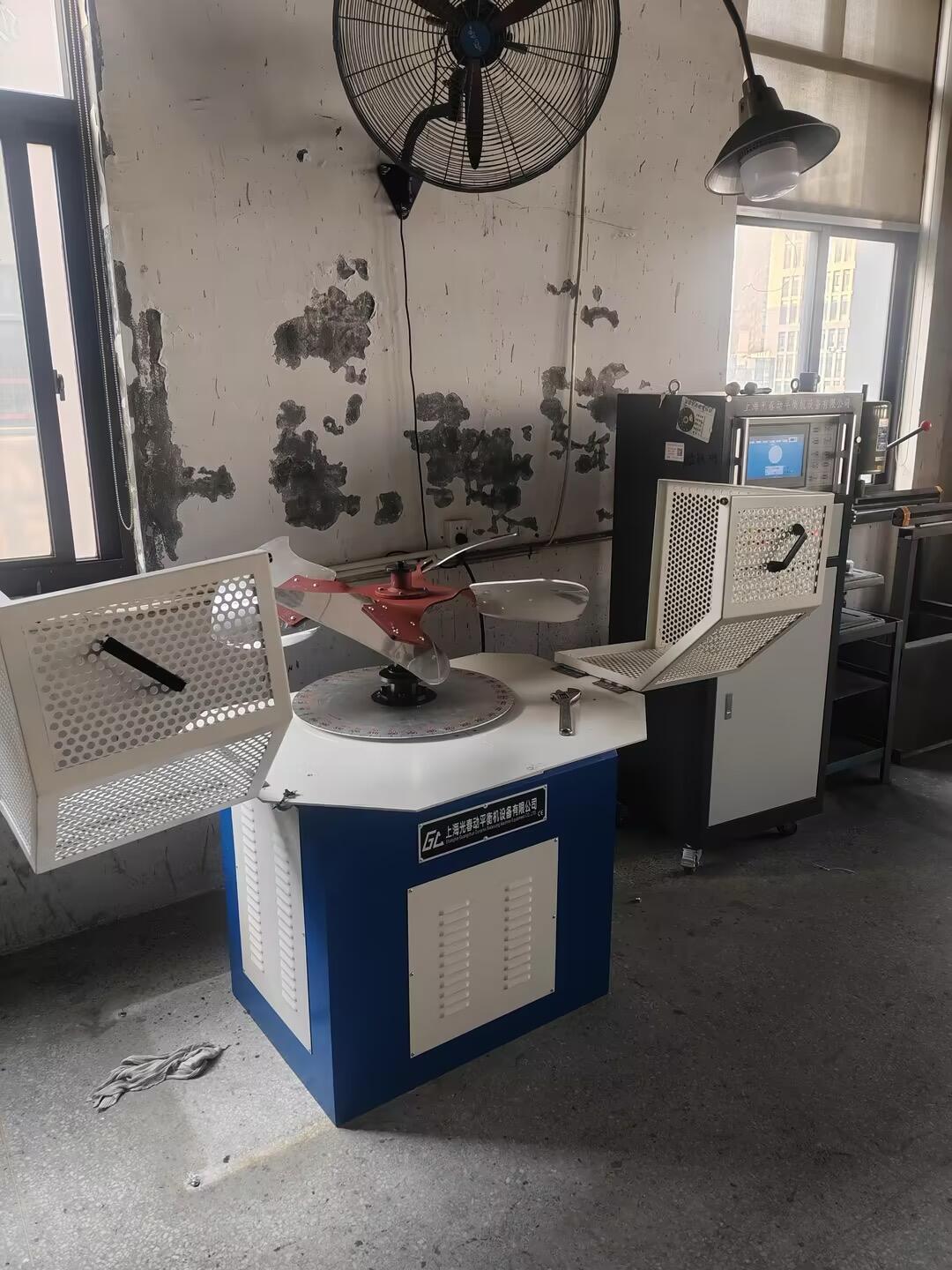
Selecting the right general balancing machine for your workshop requires careful analysis of your typical workpiece characteristics, production volume, and precision requirements. The decision directly impacts your workshop's operational efficiency, quality output, and long-term profitability. Understanding how workpiece range influences machine selection ensures you invest in equipment that matches your actual production needs rather than over-specifying or under-specifying your balancing capabilities.
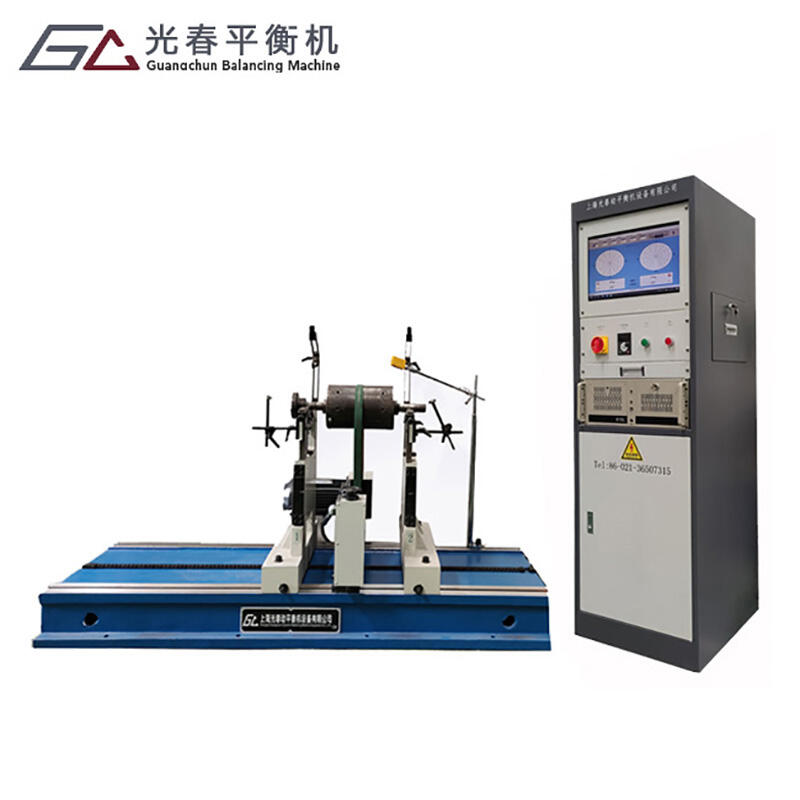
The selection process begins with comprehensive workpiece analysis, considering weight ranges, dimensional constraints, rotational speeds, and required balancing tolerances. A properly selected general balancing machine should accommodate your current workpiece portfolio while providing reasonable capacity for future production expansion. This strategic approach prevents costly equipment changes and ensures consistent balancing quality across your entire workpiece range.
Understanding Your Workshop's Workpiece Characteristics
Weight Range Assessment and Machine Capacity Planning
The foundation of general balancing machine selection lies in accurately defining your workpiece weight distribution. Most workshops handle components ranging from lightweight precision parts to heavy industrial rotors, requiring machines with appropriate weight capacity and sensitivity. Document your lightest and heaviest components, noting the frequency of each weight category to understand your typical operating range versus occasional extreme requirements.
Consider that a general balancing machine's effective operating range typically spans from 10% to 100% of its maximum capacity for optimal measurement accuracy. Selecting a machine based solely on maximum workpiece weight often results in poor sensitivity for lighter components. Analyze your workpiece weight histogram to identify the range where 80% of your production falls, then select a machine where this range represents the middle portion of the machine's capacity spectrum.
Factor in future production growth and potential new product lines when evaluating weight capacity requirements. A general balancing machine with 20-30% capacity margin above your current maximum workpiece weight provides flexibility for business expansion without compromising measurement accuracy for your current production mix. This approach ensures your equipment investment remains relevant as your workshop evolves.
Dimensional Constraints and Machine Configuration
Workpiece dimensions significantly influence the type of general balancing machine configuration suitable for your workshop. Measure the length, diameter, and overall envelope of your typical components to determine the required machine bed length, center height, and maximum swing diameter. Components with large length-to-diameter ratios may require additional steady rests or specialized fixtures to prevent deflection during balancing operations.
Consider the dimensional distribution across your workpiece range, not just the extremes. Many workshops find that 70-80% of their components fall within a specific dimensional window, making it economical to optimize the general balancing machine for this primary range while accepting some operational compromises for outlier components. Document any recurring dimensional patterns that could influence tooling requirements or setup procedures.
Evaluate workpiece handling requirements based on component geometry and weight distribution. Components with complex shapes, internal cavities, or asymmetric mass distribution may require specialized fixtures or driving methods. Your general balancing machine selection should accommodate the most common fixture types while providing flexibility for occasional special setups without extensive machine modifications.
Production Volume and Throughput Requirements
Daily Production Analysis and Cycle Time Considerations
Production volume directly impacts the level of automation and measurement speed required from your general balancing machine. Calculate your daily balancing throughput by analyzing historical production records, considering both routine production and peak demand periods. Include setup time, measurement cycles, and any correction operations in your throughput calculations to establish realistic machine utilization requirements.
Different workpiece types require varying measurement and setup times, affecting overall machine productivity. Simple rotors may complete balancing cycles in 2-3 minutes, while complex assemblies might require 10-15 minutes including fixture changes and measurement verification. A general balancing machine with appropriate automation features can significantly reduce cycle times for high-volume production while maintaining measurement accuracy.
Consider batch processing strategies and how they influence machine selection. Workshops handling multiple small components may benefit from machines with quick-change tooling systems, while operations focused on larger, lower-volume components might prioritize measurement precision over cycle time optimization. Evaluate whether your production patterns justify investment in automated loading systems or whether manual operation provides adequate throughput.
Operator Skill Level and Training Requirements
The complexity of your general balancing machine should match your available operator skill levels and training capabilities. Advanced machines with sophisticated software and automation features require operators with higher technical competency, while simpler systems may be more appropriate for workshops with limited technical training resources. Assess your current operator capabilities and factor in training time and costs when evaluating machine options.
Consider the learning curve associated with different machine types and how it affects your production timeline. Some general balancing machine designs emphasize user-friendly interfaces and guided setup procedures, reducing training requirements and minimizing operator errors. Evaluate whether your workshop can dedicate resources to extensive operator training or whether you need more intuitive machine operation to maintain productivity during the transition period.
Document your workshop's typical operator turnover and training frequency to understand long-term operational requirements. Machines with complex operation procedures may create ongoing training burdens and increased sensitivity to personnel changes. Balance advanced capability requirements against operational simplicity to ensure consistent production quality regardless of operator experience levels.
Precision Requirements and Measurement Standards
Balancing Tolerance Specifications and Quality Standards
Your workpiece quality requirements determine the measurement precision and residual unbalance capabilities needed from your general balancing machine. Industry standards such as ISO 1940 provide guidance for acceptable unbalance levels based on component application and operating speed. Analyze your customer specifications and internal quality standards to establish the measurement resolution and accuracy requirements for your machine selection.
Consider that different workpiece types within your range may have varying tolerance requirements. High-speed precision components typically demand much tighter balancing tolerances than lower-speed industrial equipment, requiring machines with correspondingly higher measurement sensitivity. Evaluate whether a single general balancing machine can meet all your precision requirements or whether you need multiple machines optimized for different tolerance classes.
Factor in measurement repeatability and long-term stability when evaluating precision capabilities. A general balancing machine must consistently deliver measurements within specified tolerances across multiple operators, environmental conditions, and extended operating periods. Review manufacturer specifications for measurement uncertainty and compare them against your quality requirements, ensuring adequate margin for real-world operating variations.
Environmental Factors and Installation Requirements
Workshop environmental conditions significantly impact general balancing machine performance and measurement accuracy. Evaluate your facility's vibration levels, temperature stability, and air quality to determine the environmental isolation and protection requirements for optimal machine operation. Machines installed in high-vibration environments may require specialized foundations or isolation systems to achieve specified measurement accuracy.
Temperature fluctuations affect both machine calibration stability and workpiece dimensions during measurement. Consider your workshop's heating and cooling systems, proximity to heat sources, and seasonal temperature variations when planning machine installation. Some general balancing machine designs include temperature compensation features, while others require controlled environmental conditions to maintain measurement accuracy.
Assess power supply stability, compressed air availability, and other utility requirements for your selected machine type. Document any special installation requirements such as foundation specifications, electrical service needs, or ventilation systems. Factor these installation costs and timeline considerations into your machine selection process to ensure total project feasibility within your workshop constraints.
Economic Factors and Return on Investment
Initial Investment and Total Cost of Ownership
The economic justification for a general balancing machine extends beyond initial purchase price to include installation costs, training expenses, maintenance requirements, and operational efficiency gains. Develop a comprehensive cost analysis comparing different machine options against your current balancing methods, whether outsourced services or existing equipment limitations. Include quantifiable benefits such as reduced outsourcing costs, improved production throughput, and enhanced quality control capabilities.
Evaluate the relationship between machine capability and cost, ensuring you're not over-investing in features that don't benefit your typical workpiece range. Advanced automation and measurement features add significant cost but may not provide proportional value for lower-volume operations or simpler workpiece requirements. Focus your investment on capabilities that directly address your identified production needs and quality requirements.
Consider financing options and how they impact your workshop's cash flow and equipment depreciation strategies. Lease arrangements may provide access to higher-capability machines while preserving capital for other investments, while purchase options offer long-term ownership benefits and potential tax advantages. Evaluate how different financing approaches align with your business planning and equipment replacement cycles.
Productivity Improvements and Competitive Advantages
Quantify the productivity improvements expected from implementing an appropriate general balancing machine for your workpiece range. Calculate time savings from eliminating outsourced balancing services, reduced setup times for recurring components, and improved production scheduling flexibility. These operational improvements often justify machine investments even when direct cost savings appear marginal.
Assess competitive advantages gained through improved balancing capabilities, including faster customer response times, enhanced quality assurance, and ability to accept new business requiring specific balancing services. A well-selected general balancing machine can enable your workshop to pursue higher-value contracts and differentiate services in competitive markets. Document potential revenue growth opportunities that machine investment might unlock.
Consider how balancing capabilities integration affects your overall workshop efficiency and customer relationships. In-house balancing eliminates external dependencies, reduces lead times, and provides better quality control throughout the manufacturing process. These factors contribute to improved customer satisfaction and potential for expanded business relationships beyond immediate balancing needs.
FAQ
What weight range should I prioritize when selecting a general balancing machine for mixed production?
Focus on the weight range where 70-80% of your production falls, ensuring this represents the middle portion of the machine's capacity range for optimal sensitivity. Select a machine with maximum capacity 20-30% above your heaviest regular component, but don't compromise sensitivity for lighter parts that represent the majority of your work. This approach provides the best measurement accuracy across your typical production mix while maintaining capacity for occasional heavier components.
How do I determine if my workshop needs multiple balancing machines or one versatile unit?
Evaluate whether your workpiece range includes significantly different tolerance requirements, dimensional constraints, or production volumes that cannot be efficiently handled by a single machine. If you have distinct product lines requiring vastly different capabilities - such as precision instruments versus heavy industrial components - multiple specialized machines may provide better overall efficiency than one compromised universal solution. Consider total throughput requirements and whether bottlenecks justify multiple machine investment.
What automation features are worth investing in for typical workshop operations?
Invest in automation features that address your specific production bottlenecks and operator skill limitations. Quick-change tooling systems benefit workshops with frequent setup changes, while automated measurement cycles improve consistency for less experienced operators. Avoid over-automating low-volume operations where manual flexibility provides better value. Focus automation investment on features that reduce cycle times for your most common workpiece types or eliminate measurement errors that impact quality.
How should environmental conditions in my workshop influence machine selection?
Assess your workshop's vibration levels, temperature stability, and air quality to determine required environmental protection and isolation features. High-vibration environments need machines with superior isolation systems or may require foundation improvements. Temperature fluctuations affect measurement accuracy, so consider machines with temperature compensation or plan for environmental controls. Factor environmental protection requirements into total installation costs and ensure your facility can support the selected machine's operating conditions for optimal performance.
Table of Contents
- Understanding Your Workshop's Workpiece Characteristics
- Production Volume and Throughput Requirements
- Precision Requirements and Measurement Standards
- Economic Factors and Return on Investment
-
FAQ
- What weight range should I prioritize when selecting a general balancing machine for mixed production?
- How do I determine if my workshop needs multiple balancing machines or one versatile unit?
- What automation features are worth investing in for typical workshop operations?
- How should environmental conditions in my workshop influence machine selection?

