 EN
EN


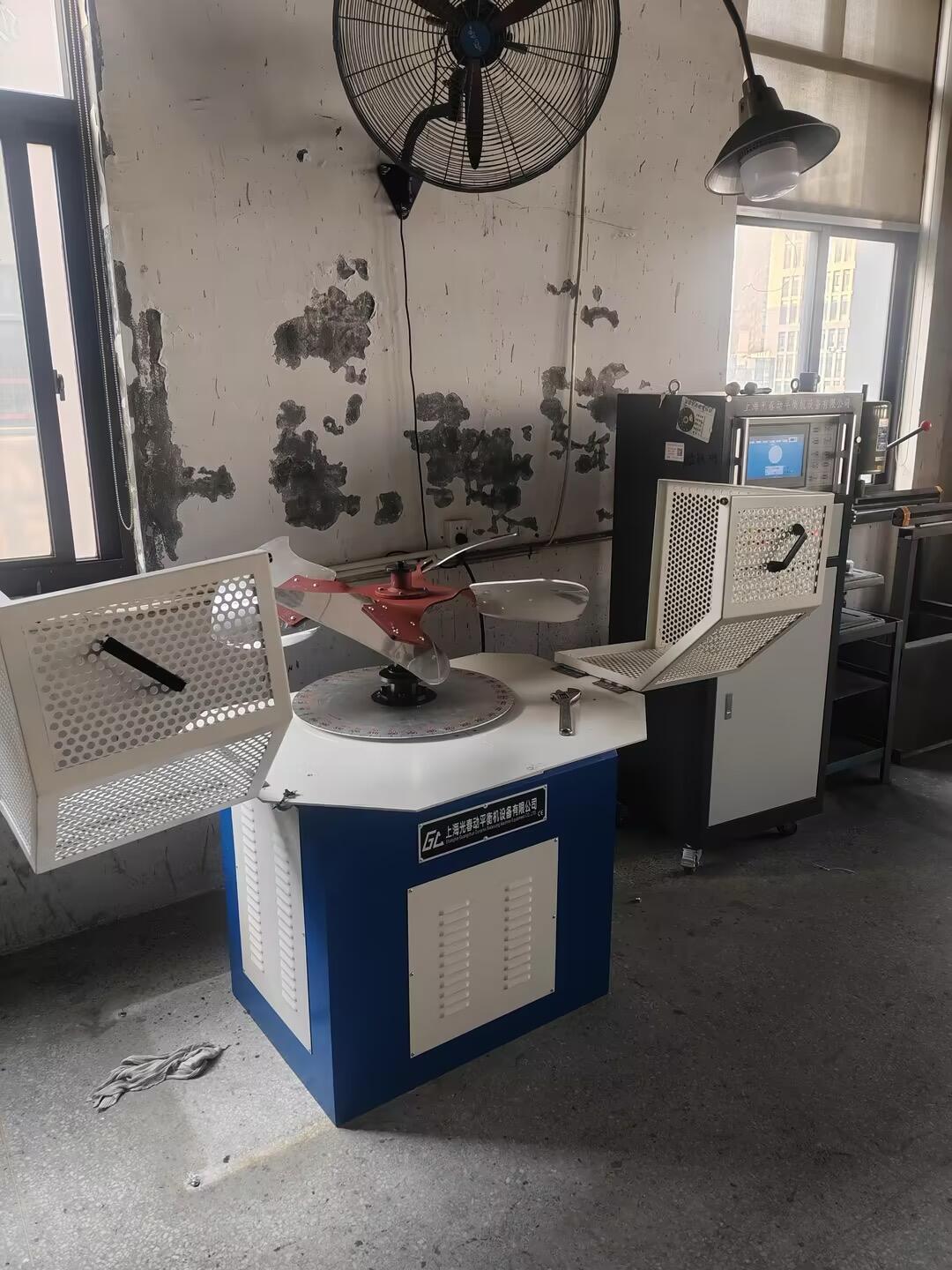
Excessive vibration in pumps and fans represents one of the most persistent and costly operational challenges facing industrial facilities today. When rotating equipment operates with unbalanced components, the resulting vibrations cascade through entire systems, causing premature bearing failures, increased energy consumption, reduced component lifespan, and potentially catastrophic equipment breakdowns. General balancing machines have emerged as the definitive solution for identifying and correcting these imbalances before they translate into expensive operational disruptions and unplanned maintenance events.
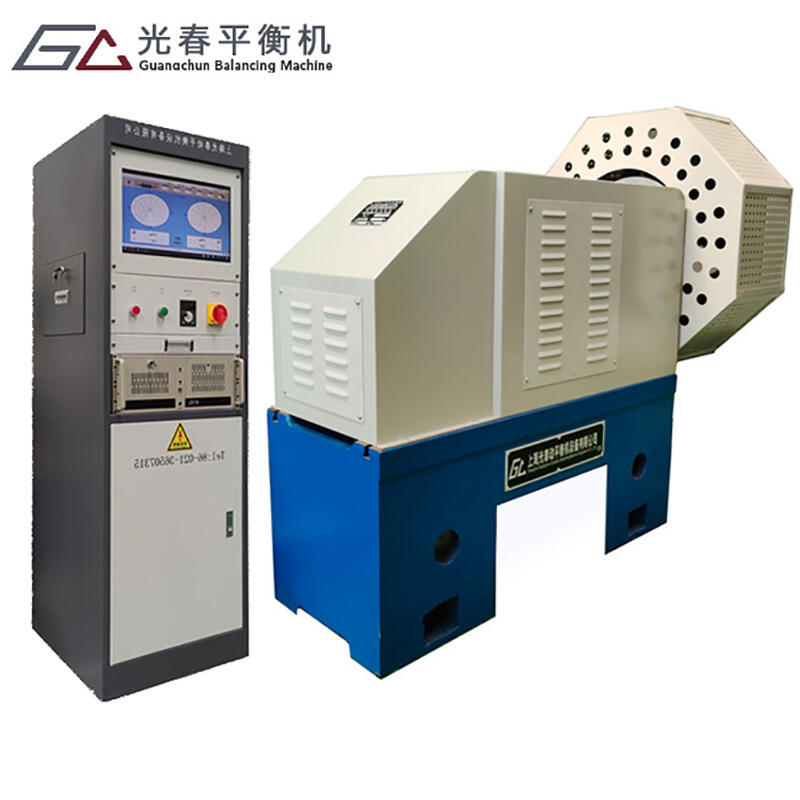
The fundamental importance of general balancing machines lies in their ability to precisely measure and correct rotational imbalances that generate destructive vibrations in pumps, fans, and other rotating machinery. These sophisticated instruments detect even microscopic mass distributions that create centrifugal forces during rotation, enabling technicians to make targeted corrections that eliminate the root cause of vibration-related problems. Understanding why these machines are essential requires examining the specific mechanisms through which imbalances generate vibrations and the comprehensive benefits that proper balancing delivers to industrial operations.
The Physics of Vibration Generation in Rotating Equipment
Mass Imbalance and Centrifugal Force Creation
When pumps and fans operate with unbalanced rotors, any mass distribution asymmetry creates centrifugal forces that increase exponentially with rotational speed. General balancing machines detect these imbalances by measuring the magnitude and angular position of forces generated during rotation, providing precise data about where correction weights must be added or removed. The relationship between imbalance and vibration follows the formula F = mω²r, where even small mass variations (m) create substantial forces at high rotational speeds (ω), explaining why general balancing machines are crucial for high-speed equipment applications.
These centrifugal forces manifest as sinusoidal vibrations that transmit through bearings, housings, and mounting structures, creating resonant conditions that amplify destructive oscillations throughout connected systems. General balancing machines identify the specific frequency signatures associated with different types of imbalances, enabling technicians to distinguish between static imbalance (where the center of mass is displaced from the rotation axis) and dynamic imbalance (where the principal axis of inertia does not coincide with the rotation axis). This diagnostic capability is essential because different imbalance types require different correction strategies to effectively eliminate vibration sources.
Harmonic Vibration Propagation Through System Components
Unbalanced rotating components generate harmonic vibrations that propagate through pump and fan assemblies, exciting natural frequencies in connected piping, ductwork, and structural elements. General balancing machines help prevent these cascading effects by ensuring that primary rotating elements operate within acceptable balance tolerances, typically measured in units of g·mm/kg or oz·in/lb depending on the application requirements. The ability to achieve precise balance corrections directly correlates with reduced vibration transmission to surrounding equipment and infrastructure components.
The propagation characteristics of vibration energy depend heavily on the frequency content generated by imbalanced rotors, with certain frequencies proving particularly destructive to specific system components. General balancing machines enable operators to target these problematic frequencies by correcting the underlying imbalances that generate them, rather than attempting to control symptoms through vibration isolation or damping measures. This root-cause approach proves far more effective and economical than reactive solutions that address vibration effects rather than their fundamental sources.
Critical Performance Benefits of Implementing Balance Correction
Bearing Life Extension and Reliability Improvement
Proper balancing using general balancing machines dramatically extends bearing service life by eliminating excessive radial and axial loads caused by rotational imbalances. Research demonstrates that reducing vibration levels through precision balancing can increase bearing life by 300-500% compared to operating with uncorrected imbalances, representing substantial cost savings in replacement parts, labor, and unplanned downtime. The consistent loading patterns achieved through proper balance correction ensure that bearing elements operate within their designed stress envelopes, preventing premature fatigue failures and micropitting damage.
General balancing machines enable technicians to achieve balance quality grades specified by international standards such as ISO 1940-1, which defines acceptable residual imbalance levels for different equipment categories. For centrifugal pumps and fans, typical balance quality requirements range from G2.5 to G6.3, depending on operating speeds and application criticality. Achieving these standards requires the precision measurement and correction capabilities that only sophisticated general balancing machines can provide, ensuring that equipment operates within manufacturer specifications for optimal reliability and performance.
Energy Efficiency Optimization and Operating Cost Reduction
Unbalanced pumps and fans consume significantly more energy than properly balanced equipment due to increased friction, vibration losses, and the additional power required to overcome dynamic forces generated by rotational imbalances. General balancing machines help optimize energy efficiency by eliminating these parasitic losses, with properly balanced equipment typically showing 2-8% reductions in power consumption compared to unbalanced counterparts. Over the operational lifetime of industrial equipment, these energy savings often exceed the initial investment in balancing equipment and services.
The energy optimization achieved through precision balancing extends beyond direct power savings to include reduced cooling requirements, lower maintenance energy consumption, and decreased auxiliary equipment loading. General balancing machines enable facilities to maintain peak energy efficiency throughout equipment service life by providing the precision necessary to detect and correct minor imbalances before they develop into major efficiency degraders. This proactive approach supports sustainability initiatives while delivering measurable operational cost reductions that improve overall facility profitability.
Industrial Application Requirements and Balancing Specifications
Pump System Balance Quality Standards
Different pump applications require specific balance quality levels based on operating parameters such as rotational speed, impeller diameter, and process criticality. General balancing machines must accommodate these varying requirements, with high-speed pumps typically requiring G1.0 to G2.5 balance quality, while larger, slower pumps may operate acceptably at G6.3 balance quality levels. The versatility of modern general balancing machines allows operators to configure measurement parameters and correction targets appropriate for each specific application, ensuring optimal vibration reduction across diverse pump installations.
Centrifugal pump impellers present unique balancing challenges due to their complex geometries, material variations, and susceptibility to erosion and corrosion effects that alter mass distribution over time. General balancing machines address these challenges through multi-plane balancing capabilities that correct both static and dynamic imbalance components simultaneously. This comprehensive approach ensures that pump rotors operate smoothly across their entire speed range, preventing resonant conditions that could damage bearings, seals, or other critical components during startup, normal operation, or shutdown sequences.
Fan Balancing Requirements for HVAC and Industrial Applications
Industrial fans and blowers operate across wide speed ranges and handle various gas densities, creating specific balancing challenges that require sophisticated measurement and correction techniques. General balancing machines designed for fan applications must accommodate large, lightweight rotors while providing sufficient sensitivity to detect small imbalances that become significant at high operational speeds. The balance quality requirements for fans typically range from G2.5 for high-speed centrifugal fans to G16 for large, low-speed axial fans, depending on application specifications and manufacturer recommendations.
Fan blade balancing presents particular technical challenges due to the aerodynamic considerations that influence both performance and balance characteristics. General balancing machines enable technicians to optimize fan balance while maintaining aerodynamic efficiency, ensuring that correction weights are positioned to minimize airflow disruption while effectively counteracting rotational imbalances. This integrated approach prevents the common problem of achieving good balance at the expense of fan performance, delivering solutions that optimize both vibration reduction and operational efficiency.
Economic Impact and Return on Investment Analysis
Maintenance Cost Reduction Through Preventive Balancing
The economic benefits of implementing general balancing machines extend far beyond the initial equipment investment, encompassing substantial reductions in unplanned maintenance, emergency repairs, and production losses caused by equipment failures. Facilities that maintain proactive balancing programs typically experience 40-60% reductions in vibration-related maintenance costs compared to reactive maintenance approaches. General balancing machines enable this transformation by providing the diagnostic tools necessary to identify and correct imbalance issues before they progress to component failures.
The cost-benefit analysis of general balancing machines becomes particularly compelling when considering the cascading effects of vibration-induced failures in critical process equipment. A single pump or fan failure can trigger production shutdowns, product quality issues, and emergency repair costs that exceed the annual operating costs of a comprehensive balancing program. General balancing machines provide the precision and reliability necessary to prevent these costly scenarios while extending normal maintenance intervals through reduced component wear rates.
Production Continuity and Uptime Optimization
Unplanned equipment downtime represents one of the highest costs associated with poor vibration control, often exceeding direct repair costs by factors of 10-50 times depending on production value and process criticality. General balancing machines support production continuity by enabling condition-based maintenance strategies that schedule balancing activities during planned outages rather than waiting for equipment failures to force unscheduled shutdowns. This proactive approach ensures maximum equipment availability while minimizing the risk of catastrophic failures that could damage multiple system components.
The uptime optimization achieved through systematic use of general balancing machines extends beyond individual equipment units to encompass entire production lines and facility operations. When rotating equipment operates within proper balance specifications, the reduced vibration levels minimize stress on connected systems, preventing secondary failures that could propagate throughout interconnected processes. This system-level reliability improvement represents a critical competitive advantage in industries where production continuity directly impacts profitability and market position.
FAQ
How often should pumps and fans be checked with general balancing machines?
The frequency of balance checking depends on equipment criticality, operating conditions, and historical performance data. Critical process equipment should be evaluated quarterly or semi-annually, while standard applications may require annual assessments. General balancing machines should also be used whenever equipment undergoes maintenance involving rotor components, experiences abnormal vibration increases, or shows changes in operating characteristics that suggest developing imbalance conditions.
What vibration levels indicate that general balancing machines are needed for correction?
Vibration levels exceeding 2.5 mm/s RMS for general machinery or 4.5 mm/s RMS for large, low-speed equipment typically indicate the need for balance correction using general balancing machines. However, trending analysis is more important than absolute levels, with consistent increases of 25% or more suggesting developing imbalance issues that require investigation and potential correction through precision balancing procedures.
Can general balancing machines correct all types of vibration problems in pumps and fans?
General balancing machines specifically address vibration caused by mass imbalances, which represent approximately 40-60% of rotating equipment vibration issues. They cannot correct problems caused by misalignment, bearing defects, structural resonance, or aerodynamic/hydraulic forces. Proper vibration diagnosis is essential to determine whether balancing will resolve specific vibration problems or if other corrective measures are required.
What training is required to operate general balancing machines effectively?
Effective operation of general balancing machines requires understanding of vibration theory, rotor dynamics, and measurement techniques. Operators should complete manufacturer-specific training programs and obtain certification in vibration analysis fundamentals. Most facilities require 40-80 hours of initial training plus ongoing education to maintain proficiency with evolving balancing technologies and industry standards for different equipment types.
Table of Contents
- The Physics of Vibration Generation in Rotating Equipment
- Critical Performance Benefits of Implementing Balance Correction
- Industrial Application Requirements and Balancing Specifications
- Economic Impact and Return on Investment Analysis
-
FAQ
- How often should pumps and fans be checked with general balancing machines?
- What vibration levels indicate that general balancing machines are needed for correction?
- Can general balancing machines correct all types of vibration problems in pumps and fans?
- What training is required to operate general balancing machines effectively?

