 EN
EN


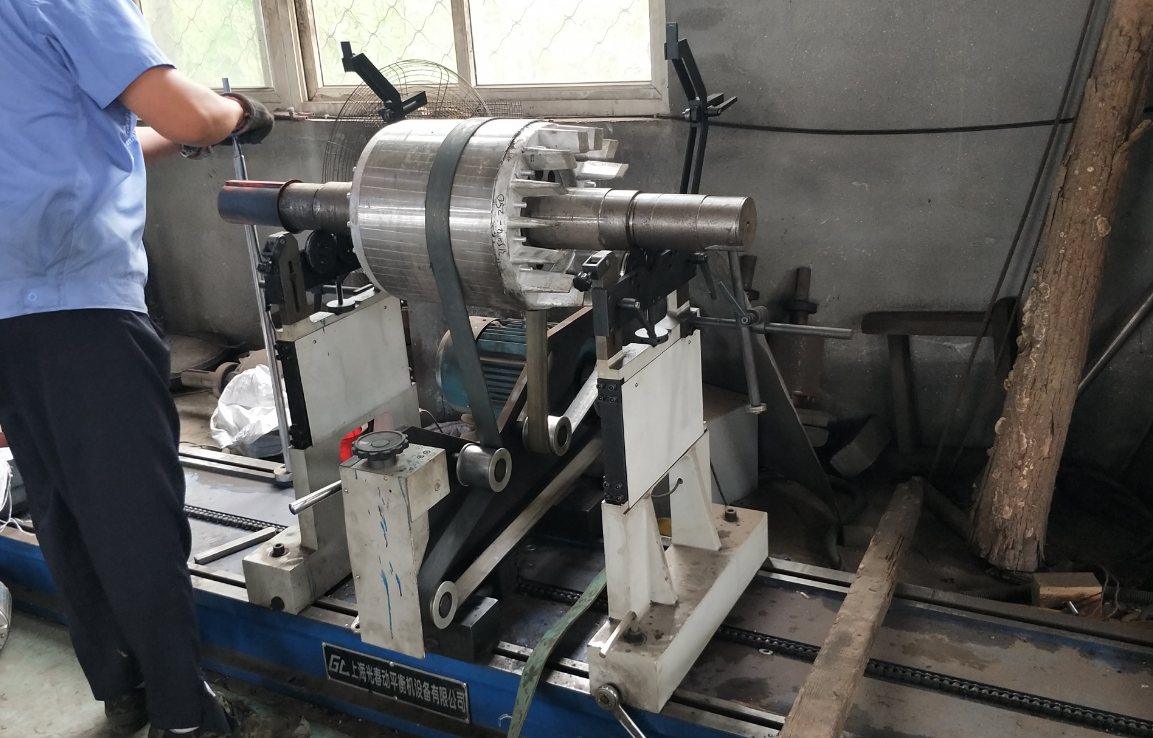
Manufacturing industries worldwide rely heavily on precision equipment to ensure product quality and operational efficiency. Among the most essential tools in modern production facilities are general balancing machines, which play a crucial role in maintaining the rotational balance of various components. These sophisticated devices have become indispensable across multiple sectors, from automotive to aerospace, where even the slightest imbalance can lead to catastrophic failures, increased maintenance costs, and compromised safety standards.
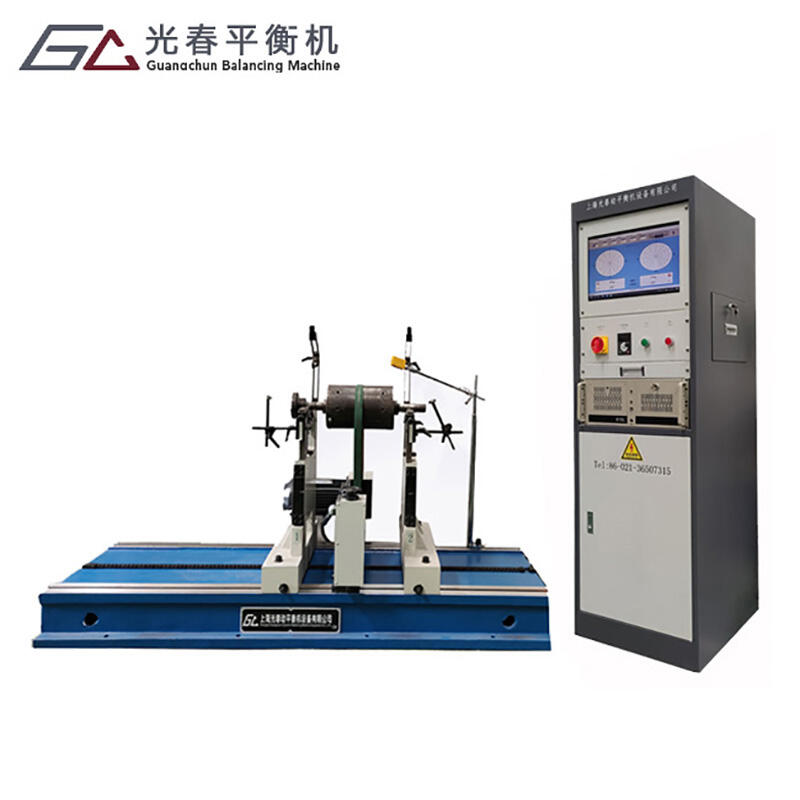
The critical need for general balancing machines spans numerous manufacturing applications where rotating components must operate with minimal vibration and maximum stability. Understanding where these machines are most critically needed helps manufacturers make informed decisions about equipment investments and quality control processes. This comprehensive analysis explores the key industries and applications where general balancing machines have become essential components of the production workflow.
Automotive Manufacturing Applications
Engine Component Balancing
The automotive industry represents one of the largest markets for general balancing machines, particularly in engine manufacturing facilities. Crankshafts, connecting rods, pistons, and flywheels require precise balancing to ensure smooth engine operation and longevity. Modern automotive manufacturers utilize general balancing machines extensively throughout their production lines to meet stringent quality standards and reduce warranty claims related to engine vibration and premature wear.
Engine balancing operations typically involve high-volume production scenarios where general balancing machines must deliver consistent results across thousands of components daily. The precision requirements in automotive applications often demand balancing tolerances within fractions of a gram, making advanced balancing technology essential for maintaining competitive advantages in fuel efficiency and noise reduction.
Transmission and Drivetrain Components
Beyond engine components, general balancing machines are critically needed for transmission parts, drive shafts, and brake rotors in automotive manufacturing. These components experience high rotational speeds during vehicle operation, making proper balance essential for driver comfort and component durability. Manufacturing facilities specializing in drivetrain components typically maintain multiple general balancing machines to handle different component sizes and balancing requirements.
The integration of general balancing machines into automated production lines has become standard practice in modern automotive plants. These systems often feature sophisticated data collection capabilities that enable real-time quality monitoring and statistical process control, ensuring consistent product quality across large production volumes.
Aerospace and Defense Industries
Turbine Engine Manufacturing
Aerospace applications represent some of the most demanding environments for general balancing machines, where precision and reliability are absolutely critical. Jet engine components such as turbine rotors, compressor assemblies, and fan blades require extremely precise balancing to ensure safe operation at high altitudes and extreme conditions. The consequences of improperly balanced components in aerospace applications can be catastrophic, making general balancing machines an essential investment for any aerospace manufacturer.
Aerospace balancing requirements often exceed those of other industries, with tolerance specifications measured in fractions of gram-millimeters. General balancing machines used in aerospace manufacturing must be capable of handling large, complex components while maintaining exceptional accuracy and repeatability. These facilities typically employ multiple balancing stations to accommodate different component types and production schedules.
Satellite and Space Vehicle Components
Space applications present unique challenges for component balancing, where general balancing machines must ensure perfect balance for components that will operate in zero-gravity environments. Satellite gyroscopes, reaction wheels, and antenna assemblies require precise balancing to maintain proper orientation and functionality throughout their operational lifetime. The critical nature of space missions makes general balancing machines an indispensable tool for space vehicle manufacturing.
Manufacturing facilities producing space-grade components often utilize specialized general balancing machines with enhanced environmental controls and measurement capabilities. These systems must account for the unique operating conditions of space environments while providing the precision necessary for mission-critical applications.
Industrial Machinery and Equipment Manufacturing
Electric Motor Production
Electric motor manufacturing represents a significant application area for general balancing machines, particularly as industrial automation continues to expand globally. Motor rotors, armatures, and assembled motors require precise balancing to minimize vibration, reduce noise levels, and extend operational life. Manufacturing facilities producing electric motors in various sizes and configurations rely heavily on general balancing machines to maintain quality standards and customer satisfaction.
The diversity of electric motor applications, from small servo motors to large industrial drives, requires general balancing machines capable of handling a wide range of component sizes and balancing requirements. Modern motor manufacturing facilities often integrate balancing operations into automated production lines, enabling high-volume production while maintaining consistent quality standards.
Pump and Compressor Manufacturing
Centrifugal pumps, compressors, and blower manufacturing facilities critically depend on general balancing machines to ensure proper impeller balance and overall system performance. Unbalanced rotating components in fluid handling equipment can lead to excessive vibration, bearing failure, and reduced efficiency. Manufacturing operations producing these components utilize general balancing machines as essential quality control tools throughout the production process.
Industrial pump and compressor applications often involve high-pressure operations where component balance directly impacts safety and reliability. General balancing machines used in these manufacturing environments must provide accurate measurements and corrections to ensure compliance with industry standards and customer specifications.
Power Generation Equipment Manufacturing
Wind Turbine Component Production
The renewable energy sector has created significant demand for general balancing machines, particularly in wind turbine manufacturing facilities. Wind turbine rotors, generator components, and gearbox assemblies require precise balancing to ensure efficient energy conversion and extended operational life in challenging environmental conditions. Manufacturing facilities producing wind energy equipment rely on general balancing machines to maintain the quality standards necessary for reliable power generation.
Wind turbine components often represent some of the largest and most challenging balancing applications, requiring general balancing machines with substantial capacity and precision capabilities. The long service life expectations for wind energy equipment make proper balancing essential for minimizing maintenance requirements and maximizing energy output over decades of operation.
Steam and Gas Turbine Manufacturing
Conventional power generation equipment manufacturing facilities utilize general balancing machines extensively for steam turbine rotors, gas turbine assemblies, and generator components. These applications involve massive rotating components operating at high speeds under extreme temperature and pressure conditions. The critical nature of power generation equipment makes general balancing machines essential for ensuring reliable operation and minimizing unplanned outages.
Power generation equipment balancing often requires specialized general balancing machines capable of handling extremely large and heavy components while maintaining the precision necessary for safe operation. These facilities typically maintain dedicated balancing bays with overhead crane capabilities and environmental controls to support large-scale balancing operations.
Specialized Manufacturing Applications
Medical Device Manufacturing
Medical equipment manufacturing, particularly for devices involving rotating components such as centrifuges, dental handpieces, and surgical tools, requires general balancing machines to ensure safe and reliable operation. The precision requirements in medical applications often exceed those of general industrial applications, making advanced balancing technology essential for regulatory compliance and patient safety.
Manufacturing facilities producing medical devices must maintain rigorous quality control standards, often requiring general balancing machines with enhanced documentation and traceability capabilities. The critical nature of medical applications makes proper component balancing essential for device reliability and regulatory approval processes.
Precision Tooling and Machining
Machine tool manufacturing and precision machining operations utilize general balancing machines for spindles, cutting tools, and rotating fixtures that demand exceptional accuracy and surface finish quality. High-speed machining applications require perfectly balanced rotating components to achieve the precision and productivity necessary for competitive manufacturing operations.
Tooling manufacturers and precision machining facilities often employ general balancing machines as both production tools and quality control instruments, ensuring that rotating components meet the exacting standards required for high-precision manufacturing applications. The investment in proper balancing technology directly impacts product quality and manufacturing efficiency in these demanding applications.
FAQ
What industries benefit most from investing in general balancing machines?
The automotive, aerospace, power generation, and industrial machinery manufacturing sectors derive the greatest benefits from general balancing machines. These industries involve high-volume production of rotating components where balance quality directly impacts performance, safety, and customer satisfaction. Companies in these sectors typically see rapid return on investment through reduced warranty claims, improved product quality, and enhanced manufacturing efficiency.
How do general balancing machines improve manufacturing quality control?
General balancing machines enhance quality control by providing precise measurement and correction of component imbalance before assembly into final products. This proactive approach prevents quality issues that could result in field failures, warranty claims, and customer dissatisfaction. Modern general balancing machines often integrate with manufacturing execution systems to provide real-time quality data and statistical process control capabilities.
What factors determine the need for general balancing machines in a manufacturing facility?
The critical factors include production volume, component size and weight, balancing tolerance requirements, and the consequences of imbalanced components in final applications. Facilities producing large quantities of rotating components, handling safety-critical applications, or facing stringent customer quality requirements typically have the greatest need for general balancing machines as essential production equipment.
Can general balancing machines handle different types of rotating components?
Modern general balancing machines are designed with flexibility to accommodate various component types through adjustable fixtures, multiple measurement modes, and programmable balancing procedures. Many systems can handle components ranging from small precision parts to large industrial assemblies, making them versatile investments for manufacturing facilities with diverse product lines requiring different balancing approaches and tolerance specifications.
Table of Contents
- Automotive Manufacturing Applications
- Aerospace and Defense Industries
- Industrial Machinery and Equipment Manufacturing
- Power Generation Equipment Manufacturing
- Specialized Manufacturing Applications
-
FAQ
- What industries benefit most from investing in general balancing machines?
- How do general balancing machines improve manufacturing quality control?
- What factors determine the need for general balancing machines in a manufacturing facility?
- Can general balancing machines handle different types of rotating components?

