 EN
EN


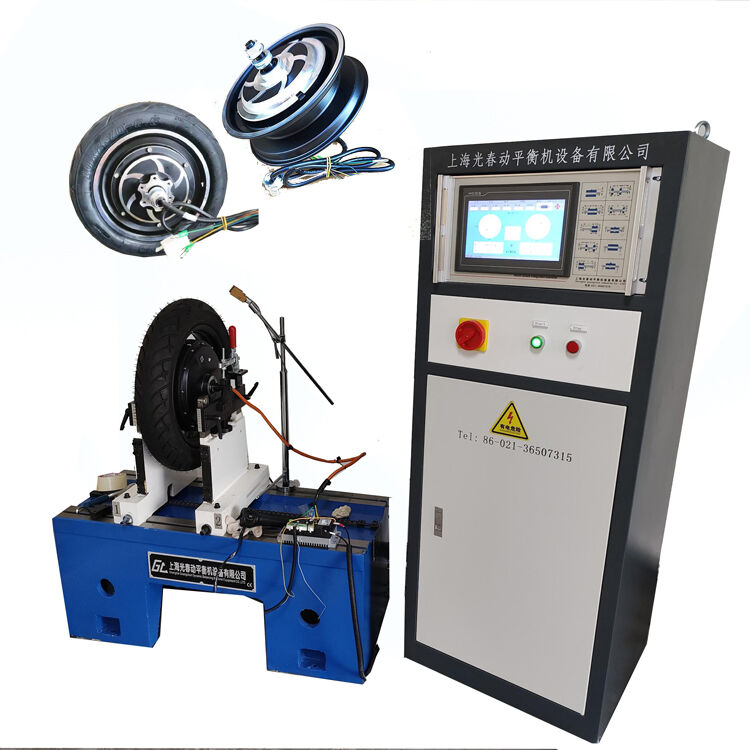
Industrial turbine operations depend heavily on precise rotor balancing to ensure optimal performance and longevity. The selection of a rotor balancing machine represents a critical investment that directly impacts operational efficiency, maintenance costs, and equipment reliability. Understanding the essential specifications becomes paramount when choosing equipment that will serve as the cornerstone of your turbine maintenance program. Modern manufacturing facilities require rotor balancing solutions that can handle diverse workloads while maintaining exceptional accuracy standards.
Weight Capacity and Load Management Requirements
Maximum Load Specifications
The weight capacity of a rotor balancing machine determines the range of turbine components it can accommodate effectively. Heavy-duty industrial applications typically require machines capable of handling rotors weighing several tons, with some specialized units supporting loads exceeding 20,000 kilograms. When evaluating capacity requirements, consider not only current turbine sizes but also future expansion plans and potential service contracts for larger equipment. The machine's structural integrity must support maximum loads without compromising measurement accuracy or operator safety.
Load distribution characteristics play an equally important role in machine selection. A quality rotor balancing machine should demonstrate consistent performance across its entire weight range, maintaining precision whether handling lightweight components or maximum-capacity rotors. Dynamic loading capabilities ensure that the equipment can accommodate various rotor geometries and weight distributions without requiring extensive setup modifications or calibration adjustments.
Structural Design Considerations
Robust mechanical construction forms the foundation of reliable rotor balancing operations. Steel frame construction with proper reinforcement points ensures long-term stability under repeated heavy loading cycles. The base design must provide adequate vibration isolation to prevent external influences from affecting measurement accuracy. Machine rigidity directly correlates with balancing precision, making structural specifications a primary consideration in equipment selection.
Foundation requirements vary significantly based on machine capacity and intended applications. Heavy-duty models may require specialized concrete foundations with specific depth and reinforcement specifications. Understanding these installation requirements early in the selection process prevents costly surprises and ensures proper equipment performance from initial startup through years of operation.
Precision and Accuracy Standards
Measurement Resolution Capabilities
Modern rotor balancing machine technology delivers measurement resolutions that enable detection of extremely small imbalances. High-precision systems can identify imbalances as small as 0.01 gram-millimeters per kilogram, essential for applications requiring tight tolerance specifications. The measurement system must maintain this precision across the entire operating range, ensuring consistent results regardless of rotor size or weight.
Temperature stability affects measurement accuracy significantly, particularly in industrial environments with varying ambient conditions. Advanced rotor balancing machine designs incorporate temperature compensation algorithms that automatically adjust readings based on environmental conditions. This feature ensures consistent accuracy throughout daily temperature fluctuations and seasonal changes, maintaining measurement integrity for critical applications.
Calibration and Verification Protocols
Comprehensive calibration procedures ensure that rotor balancing machine measurements remain traceable to recognized standards. Quality equipment includes built-in calibration verification routines that can be performed regularly without external equipment or specialized technician involvement. These automated systems reduce calibration costs while providing confidence in measurement accuracy for quality assurance purposes.
Documentation capabilities support traceability requirements common in aerospace, power generation, and other regulated industries. The rotor balancing machine should generate detailed calibration reports with timestamps, environmental conditions, and verification results. This documentation proves invaluable during quality audits and helps maintain compliance with industry standards and customer requirements.
Drive System and Speed Control Features
Variable Speed Capabilities
Flexible speed control allows a single rotor balancing machine to accommodate diverse turbine types and balancing requirements. Variable frequency drives provide smooth acceleration and deceleration profiles that minimize stress on both the equipment and test components. Speed ranges typically span from very low speeds for initial setup through maximum operating velocities required for specific turbine applications.
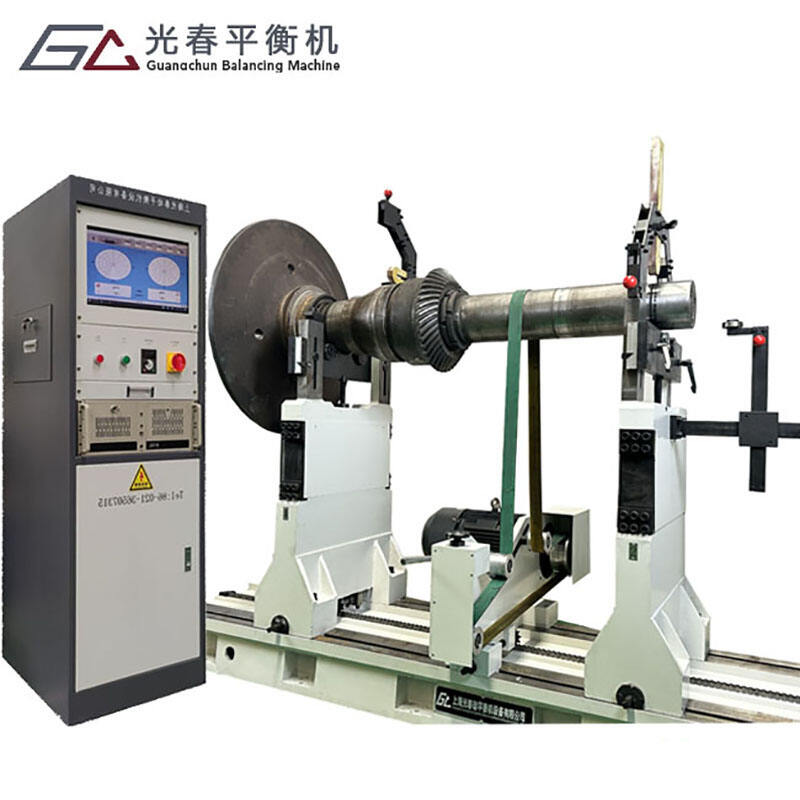
Belt drive systems offer advantages in terms of vibration isolation and maintenance convenience compared to direct drive alternatives. Quality belt drives provide consistent power transmission while absorbing vibrations that could otherwise affect measurement accuracy. The rotor balancing machine drive system should include provisions for easy belt replacement and tension adjustment to minimize downtime during routine maintenance procedures.
Safety and Control Integration
Comprehensive safety systems protect both operators and equipment during rotor balancing operations. Emergency stop functionality must be readily accessible from multiple locations around the machine, with immediate power disconnection and mechanical braking capabilities. Protective barriers and interlocks prevent accidental contact with rotating components while maintaining visibility for operation monitoring.
Programmable control systems enable storage of standard operating procedures for different turbine types and balancing specifications. These systems reduce operator error while ensuring consistent results across different shifts and technicians. The rotor balancing machine control interface should provide intuitive operation while offering advanced features for experienced users who require detailed parameter adjustment capabilities.
Software and Data Management Solutions
Analysis and Reporting Functions
Modern rotor balancing machine software provides sophisticated analysis capabilities that go beyond basic imbalance detection. Advanced algorithms can identify specific fault patterns, predict maintenance requirements, and recommend corrective actions based on historical data trends. These analytical tools transform raw measurement data into actionable insights that improve overall turbine reliability and performance.
Comprehensive reporting features support various stakeholders from shop floor technicians to executive management. The rotor balancing machine should generate detailed technical reports for maintenance personnel while providing summary dashboards for production managers. Customizable report formats accommodate different customer requirements and internal documentation standards.
Data Storage and Connectivity
Robust data management capabilities ensure that balancing records remain accessible for warranty claims, failure analysis, and trend monitoring purposes. Cloud connectivity options enable remote access to balancing data and facilitate integration with enterprise resource planning systems. The rotor balancing machine database should support long-term storage requirements while maintaining quick access to frequently referenced information.
Network integration capabilities allow the rotor balancing machine to participate in Industry 4.0 initiatives and smart manufacturing environments. Real-time data sharing enables production scheduling optimization and quality control integration. These connectivity features become increasingly important as manufacturers implement comprehensive digital transformation strategies.
Installation and Maintenance Requirements
Space and Infrastructure Needs
Proper facility planning ensures optimal rotor balancing machine performance and accessibility for routine operations. Space requirements include not only the machine footprint but also adequate clearance for component handling and maintenance access. Overhead crane provisions may be necessary for heavy rotor handling, requiring coordination with existing facility infrastructure or new construction planning.
Environmental control considerations affect both measurement accuracy and equipment longevity. The rotor balancing machine installation area should provide stable temperature conditions, adequate ventilation, and protection from excessive dust or moisture. Proper lighting and ergonomic considerations support safe and efficient operations while reducing operator fatigue during extended balancing sessions.
Preventive Maintenance Programs
Scheduled maintenance requirements vary significantly between different rotor balancing machine designs and manufacturers. Understanding these requirements during the selection process enables accurate budgeting for ongoing operational costs and resource planning. Comprehensive maintenance programs should include detailed procedures, recommended spare parts inventories, and training requirements for maintenance personnel.
Service support availability represents a critical factor in equipment selection, particularly for facilities operating continuous production schedules. The rotor balancing machine manufacturer should provide responsive technical support, readily available replacement parts, and optional service contracts that minimize downtime risks. Local service capability reduces response times and support costs while ensuring rapid resolution of technical issues.
FAQ
What weight capacity should I consider for turbine rotor balancing applications
Weight capacity selection depends on your largest turbine components and future expansion plans. Most industrial facilities require rotor balancing machine capacity between 1,000 and 20,000 kilograms to accommodate typical turbine rotors. Consider not only current requirements but also potential service work for larger equipment and possible facility expansion. Higher capacity machines provide flexibility for diverse applications while ensuring adequate safety margins for maximum-weight components.
How does measurement accuracy affect turbine performance and reliability
Measurement accuracy directly impacts turbine vibration levels, bearing life, and overall operational efficiency. High-precision rotor balancing machine systems can detect imbalances that cause significant problems over time, preventing costly failures and reducing maintenance requirements. Improved accuracy also enables tighter tolerance specifications, which translate to smoother operation, reduced noise levels, and extended component life in turbine applications.
What software features are most important for production environments
Essential software features include automated data logging, customizable reporting capabilities, and network connectivity for production tracking systems. The rotor balancing machine software should provide user-friendly operation while offering advanced analysis tools for experienced technicians. Integration with quality management systems, automatic report generation, and trend analysis capabilities support both immediate operational needs and long-term reliability improvement initiatives.
How do I determine the appropriate drive system configuration
Drive system selection depends on your typical rotor sizes, required speed ranges, and operational flexibility needs. Belt drive systems offer excellent vibration isolation and maintenance convenience for most applications. Consider variable speed capabilities that accommodate different turbine types and balancing procedures. The rotor balancing machine drive system should provide smooth acceleration profiles and precise speed control while maintaining long-term reliability under continuous operation conditions.

