 EN
EN


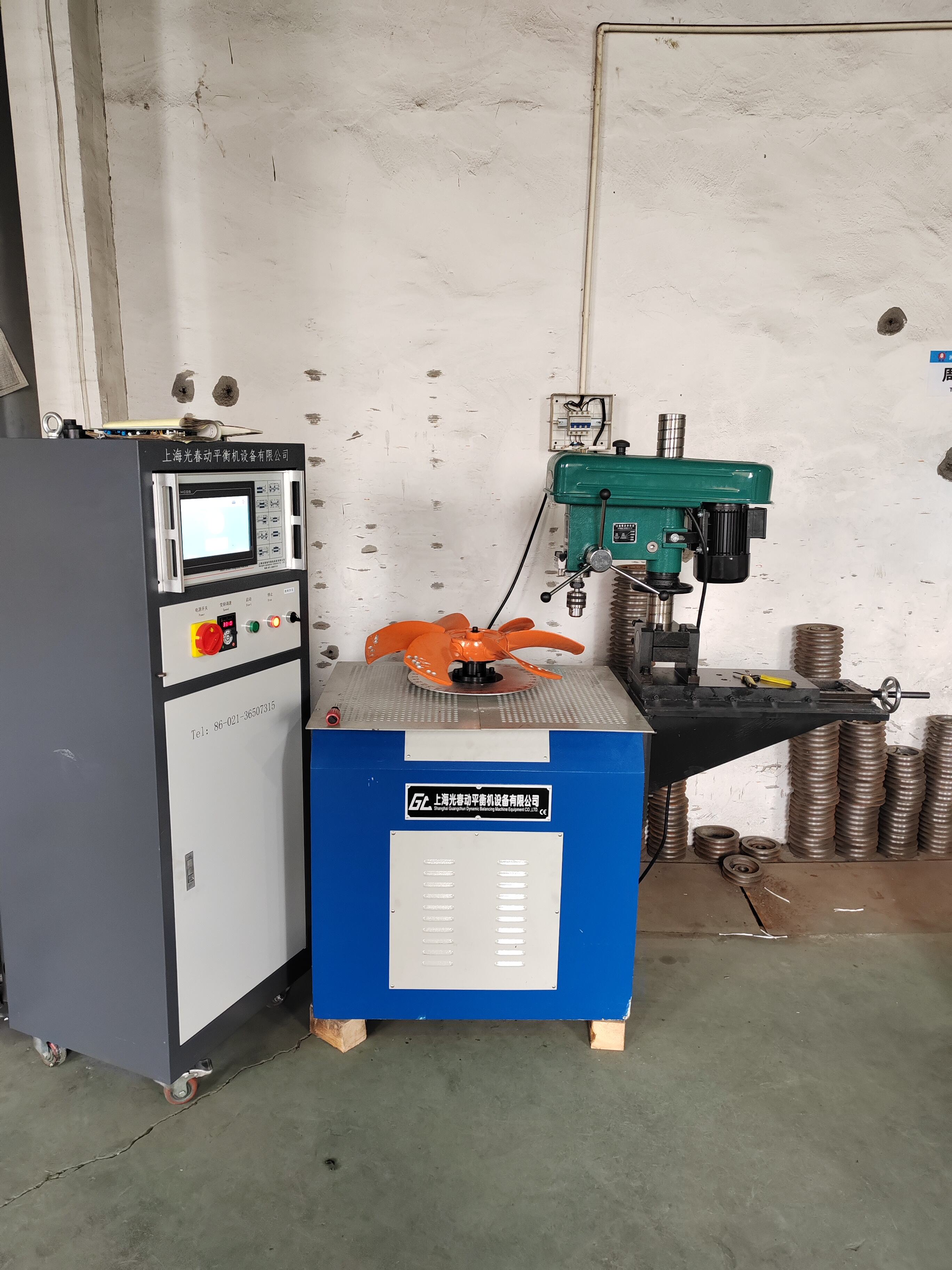
High-speed motors are the backbone of modern industrial applications, powering everything from manufacturing equipment to aerospace systems. When these critical components experience vibration issues or operational inefficiencies, the solution often lies in precision rotor balancing machines. These sophisticated devices have become indispensable tools for motor repair facilities, enabling technicians to restore optimal performance and extend equipment lifespan. The growing complexity of industrial machinery demands increasingly precise balancing solutions that can handle high-speed rotors with exceptional accuracy.
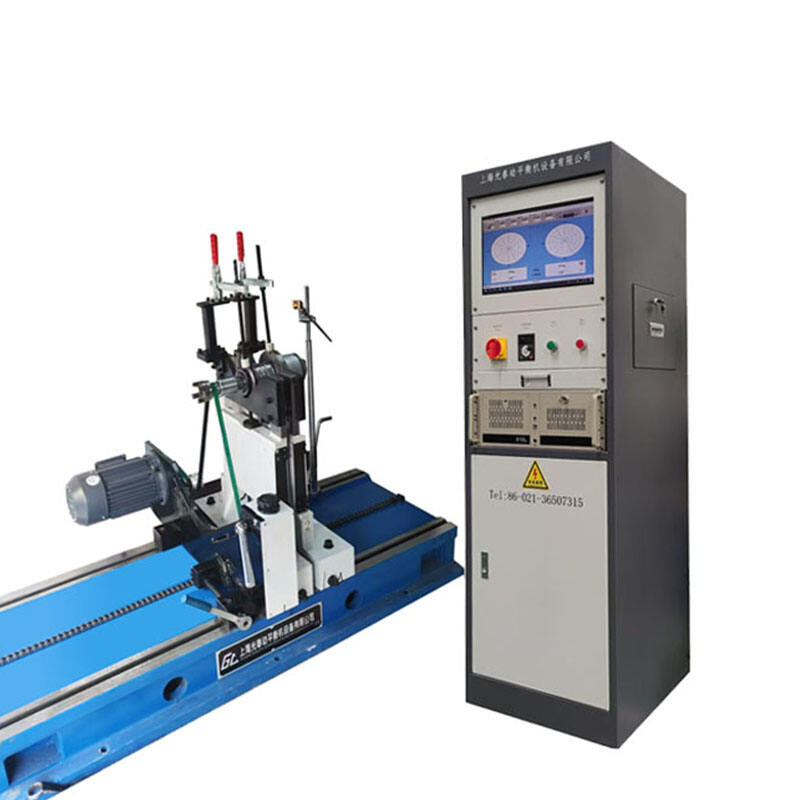
Understanding Rotor Imbalance in High-Speed Motors
Common Causes of Motor Imbalance
Motor imbalance occurs when the mass distribution around a rotor's axis of rotation becomes uneven, creating destructive forces during operation. Manufacturing tolerances, wear patterns, and material inconsistencies contribute significantly to this phenomenon. In high-speed applications, even microscopic imbalances can generate substantial vibrations that compromise performance and reliability. Thermal cycling, contamination buildup, and component degradation further exacerbate these issues over time.
The consequences of operating unbalanced rotors extend beyond simple vibration concerns. Excessive forces transmitted through bearings accelerate wear rates, leading to premature failures and costly downtime. Mechanical stress concentrations can cause fatigue cracking in rotor components, while increased energy consumption reduces overall system efficiency. Understanding these root causes helps repair technicians appreciate why rotor balancing machines represent such critical investments for their facilities.
Impact on Motor Performance and Longevity
Unbalanced rotors create cascading effects throughout motor assemblies that significantly impact operational characteristics. Vibration amplitudes increase exponentially with rotational speed, making high-speed applications particularly susceptible to balance-related problems. These mechanical disturbances manifest as noise, reduced bearing life, and compromised shaft alignment. The resulting operational instabilities can trigger protective shutdowns and reduce production capacity.
Long-term exposure to imbalance forces accelerates component degradation across entire motor systems. Bearing races develop premature wear patterns, while housings experience fatigue stress from continuous vibration loads. Rotor laminations may shift or separate under excessive centrifugal forces, creating electrical inefficiencies and potential safety hazards. Professional-grade rotor balancing machines address these concerns by enabling precise corrections that restore smooth operation and maximize component longevity.
Technical Specifications of Professional Balancing Equipment
Precision Requirements for High-Speed Applications
Modern rotor balancing machines must meet stringent accuracy standards to address the demands of high-speed motor repair. Industry specifications typically require residual unbalance levels measured in grams per millimeter, with achievable tolerances often reaching 0.1 gmm or better. These precision levels become increasingly critical as rotational speeds exceed 10,000 RPM, where small imbalances generate disproportionately large dynamic forces. Advanced measurement systems incorporate high-resolution encoders and sensitive accelerometers to detect minute balance discrepancies.
The measurement capabilities of professional rotor balancing machines extend beyond simple amplitude detection to include phase analysis and harmonic content evaluation. Multi-plane balancing functionality allows technicians to address complex rotor geometries where single-plane corrections prove insufficient. Sophisticated software algorithms calculate optimal correction weights and angular positions, minimizing the number of trial runs required to achieve target balance specifications. These technical features distinguish professional equipment from basic balancing solutions.
Automation and Control Features
Contemporary balancing systems incorporate advanced automation features that streamline the correction process while maintaining exceptional accuracy. Automated measurement cycles reduce operator variability and improve repeatability across different technicians and work shifts. Integrated databases store rotor specifications and historical correction data, enabling trend analysis and predictive maintenance strategies. Touch-screen interfaces provide intuitive operation while maintaining access to detailed technical parameters.
Safety interlocks and protective enclosures ensure operator protection during high-speed testing procedures. Emergency stop systems, vibration monitoring, and automated belt tensioning mechanisms prevent accidents while maintaining measurement integrity. These automation features allow repair facilities to process higher volumes of rotors while maintaining consistent quality standards. The resulting efficiency improvements justify the investment in specialized rotor balancing machines for professional motor repair operations.
Economic Benefits of Specialized Balancing Equipment
Reduced Repair Turnaround Times
Investment in professional rotor balancing machines dramatically reduces repair cycle times compared to outsourcing balance corrections or using manual techniques. In-house balancing capabilities eliminate shipping delays and external service provider scheduling constraints. Experienced technicians can complete most balancing procedures within hours rather than days, enabling faster customer turnaround and improved service levels. This operational efficiency translates directly into increased revenue potential and enhanced customer satisfaction.
The ability to perform multiple correction attempts without external dependencies allows repair facilities to optimize balance quality rather than accepting marginal results. Iterative refinement processes become economically feasible when balancing resources are readily available. Complex rotors requiring specialized attention receive appropriate focus without external cost pressures or time limitations. These advantages position repair facilities as preferred service providers for critical motor applications.
Enhanced Service Capabilities and Market Position
Facilities equipped with advanced rotor balancing machines can expand their service offerings to include high-precision applications previously handled by specialized providers. This capability expansion creates new revenue streams while strengthening relationships with existing customers. The technical expertise required to operate sophisticated balancing equipment also elevates the facility's reputation within the industry. Marketing advantages derived from certified balancing capabilities justify premium pricing structures.
Quality certifications and compliance documentation become more achievable when facilities maintain complete control over balancing processes. Traceability requirements in aerospace, medical device, and precision manufacturing applications demand detailed correction records that in-house rotor balancing machines readily provide. These documentation capabilities open doors to specialized market segments with higher profit margins and long-term contract potential.
Selection Criteria for Industrial Applications
Capacity and Size Considerations
Choosing appropriate rotor balancing machines requires careful evaluation of size and weight capacity requirements specific to the target market. Motor repair facilities must consider both current workload characteristics and future growth projections when selecting equipment specifications. Rotor weights, maximum diameters, and length constraints define the operational envelope that balancing machines must accommodate. Oversized equipment represents inefficient capital allocation, while undersized systems limit service capabilities.
Flexibility in handling various rotor configurations provides competitive advantages in diversified repair markets. Adjustable tooling systems and modular work-holding fixtures enable efficient processing of different motor types without extensive setup changes. Quick-change capabilities minimize downtime between jobs while maintaining positioning accuracy. These operational considerations directly impact facility productivity and profitability metrics.
Integration with Existing Workshop Infrastructure
Successful implementation of rotor balancing machines requires thoughtful integration with existing workshop layouts and workflows. Power requirements, compressed air availability, and environmental conditions must align with equipment specifications. Floor loading calculations ensure structural adequacy for heavy balancing systems. Adequate clearance for rotor handling and safety zones around operational equipment prevent workflow bottlenecks.
Training requirements and skill development programs ensure maximum utilization of invested balancing capabilities. Operator certification processes establish competency standards while building internal expertise. Maintenance protocols and spare parts inventory strategies protect equipment availability and minimize unexpected downtime. These implementation factors significantly influence the return on investment from rotor balancing machines purchases.
Maintenance and Calibration Requirements
Preventive Maintenance Protocols
Professional rotor balancing machines require systematic maintenance programs to preserve accuracy and reliability throughout their service lives. Daily inspection routines focus on critical wear points, lubrication systems, and safety mechanisms. Weekly calibration checks verify measurement system integrity using certified reference rotors. Monthly comprehensive inspections address drive systems, bearings, and structural components that influence balancing precision.
Environmental factors such as temperature stability, vibration isolation, and cleanliness standards directly impact measurement accuracy. Climate-controlled environments minimize thermal expansion effects that could compromise results. Proper foundation design eliminates external vibration influences that interfere with sensitive measurement systems. These maintenance considerations ensure that rotor balancing machines continue delivering reliable results throughout their operational lifetime.
Calibration Standards and Traceability
Maintaining calibration traceability requires adherence to recognized industry standards such as ISO 1940 and API 610. Certified reference rotors with known unbalance characteristics provide measurement benchmarks for system verification. Regular calibration schedules, typically quarterly or semi-annually, ensure continued compliance with accuracy specifications. Documentation protocols establish audit trails that support quality management systems and customer requirements.
Third-party calibration services provide independent verification of rotor balancing machines performance when internal capabilities prove insufficient. Accredited metrology laboratories offer traceable calibration services that satisfy the most stringent quality requirements. These external relationships become particularly valuable for facilities serving regulated industries where calibration documentation carries legal significance. Investment in proper calibration programs protects both equipment value and business reputation.
Industry Applications and Case Studies
Power Generation and Utilities
Power generation facilities represent one of the most demanding applications for rotor balancing machines, where turbine generators operate at extremely high speeds with zero tolerance for unbalance. Steam turbines, gas turbines, and hydroelectric generators require precision balancing to prevent catastrophic failures and maintain grid stability. The economic consequences of unplanned outages in power generation make investment in quality balancing equipment a critical business decision. Emergency repair capabilities enabled by in-house rotor balancing machines can save millions in lost revenue.
Utility companies increasingly recognize the strategic value of maintaining specialized balancing capabilities for their rotating equipment fleets. Scheduled maintenance windows become more predictable when balancing services are available on-demand. The ability to perform field balancing operations using portable equipment extends these capabilities to installed machinery. These operational advantages demonstrate why power generation facilities prioritize investment in professional-grade rotor balancing machines.
Aerospace and Defense Applications
Aerospace applications impose the most stringent requirements on rotor balancing machines due to safety-critical nature and extreme operating conditions. Jet engine components, helicopter rotors, and spacecraft mechanisms demand balance precision measured in micro-grams. Military specifications often exceed commercial standards, requiring specialized equipment and certified procedures. The consequences of balance-related failures in aerospace applications can be catastrophic, making quality assurance paramount.
Defense contractors and aerospace manufacturers maintain dedicated balancing facilities staffed with highly trained technicians. Specialized rotor balancing machines designed for aerospace applications incorporate features such as vacuum chambers, temperature control systems, and ultra-high-speed capabilities. These facilities often serve as regional repair centers for military and commercial aircraft, processing components from multiple operators. The technical expertise and equipment investments required create substantial barriers to entry in this specialized market segment.
Future Trends and Technology Developments
Digital Integration and Industry 4.0
The evolution of rotor balancing machines reflects broader Industry 4.0 trends toward digitalization, connectivity, and data analytics. Modern balancing systems generate vast amounts of measurement data that provide insights into rotor condition, repair history, and performance trends. Cloud-based platforms enable remote monitoring and predictive maintenance strategies that optimize equipment utilization. Machine learning algorithms identify patterns in balancing data that human operators might overlook.
Integration with enterprise resource planning systems streamlines workflow management and inventory control for repair facilities. Digital work instructions and augmented reality interfaces guide technicians through complex balancing procedures while maintaining quality standards. These technological advances position rotor balancing machines as integrated components of smart manufacturing ecosystems rather than standalone tools. Early adopters gain competitive advantages through improved efficiency and capability expansion.
Advanced Materials and Sensing Technologies
Ongoing developments in sensor technology and materials science continue improving the capabilities of rotor balancing machines. Wireless sensors eliminate cable routing challenges while providing real-time vibration monitoring during operation. Advanced materials such as carbon fiber composites enable lighter, more rigid machine structures that enhance measurement sensitivity. These technical improvements expand the range of applications while reducing operational complexity.
Artificial intelligence integration promises to revolutionize balancing procedures by automatically optimizing correction strategies based on historical data and rotor characteristics. Expert system capabilities could guide novice operators through complex balancing scenarios while maintaining expert-level results. These developments suggest that future rotor balancing machines will become increasingly automated while maintaining the flexibility required for diverse repair applications.
FAQ
What are the key advantages of in-house rotor balancing machines over outsourcing services
In-house rotor balancing machines provide complete control over repair schedules, quality standards, and turnaround times while eliminating external dependencies. Facilities can process urgent repairs immediately without waiting for external service providers, reducing customer downtime and improving service levels. Long-term cost benefits include elimination of shipping expenses, markup fees, and scheduling delays. Additionally, in-house capabilities enable iterative refinement processes that achieve superior balance quality compared to single-attempt external services.
How do rotor balancing machines handle different motor sizes and configurations
Modern rotor balancing machines incorporate adjustable tooling systems and modular work-holding fixtures that accommodate various rotor sizes and configurations. Capacity specifications define maximum weight, diameter, and length constraints for different equipment models. Quick-change tooling systems enable efficient transitions between different rotor types without compromising positioning accuracy. Many systems include specialized attachments for unique applications such as armatures, fan assemblies, and custom industrial rotors.
What training and certification requirements exist for operating professional balancing equipment
Operating professional rotor balancing machines requires comprehensive training in vibration analysis, measurement principles, and safety procedures. Equipment manufacturers typically provide initial training programs that cover system operation, maintenance requirements, and troubleshooting techniques. Many facilities implement internal certification programs to ensure consistent competency levels across different operators. Industry associations offer continuing education opportunities that keep technicians current with evolving standards and best practices.
How frequently do rotor balancing machines require calibration and maintenance
Professional rotor balancing machines typically require calibration verification quarterly or semi-annually using certified reference rotors with known unbalance characteristics. Daily inspection routines focus on critical wear points and safety systems, while comprehensive maintenance procedures occur monthly or based on usage hours. Environmental factors such as temperature stability and vibration isolation significantly impact calibration intervals. Facilities serving regulated industries may require more frequent calibration to maintain compliance with quality management systems and customer requirements.
Table of Contents
- Understanding Rotor Imbalance in High-Speed Motors
- Technical Specifications of Professional Balancing Equipment
- Economic Benefits of Specialized Balancing Equipment
- Selection Criteria for Industrial Applications
- Maintenance and Calibration Requirements
- Industry Applications and Case Studies
- Future Trends and Technology Developments
-
FAQ
- What are the key advantages of in-house rotor balancing machines over outsourcing services
- How do rotor balancing machines handle different motor sizes and configurations
- What training and certification requirements exist for operating professional balancing equipment
- How frequently do rotor balancing machines require calibration and maintenance

