 EN
EN


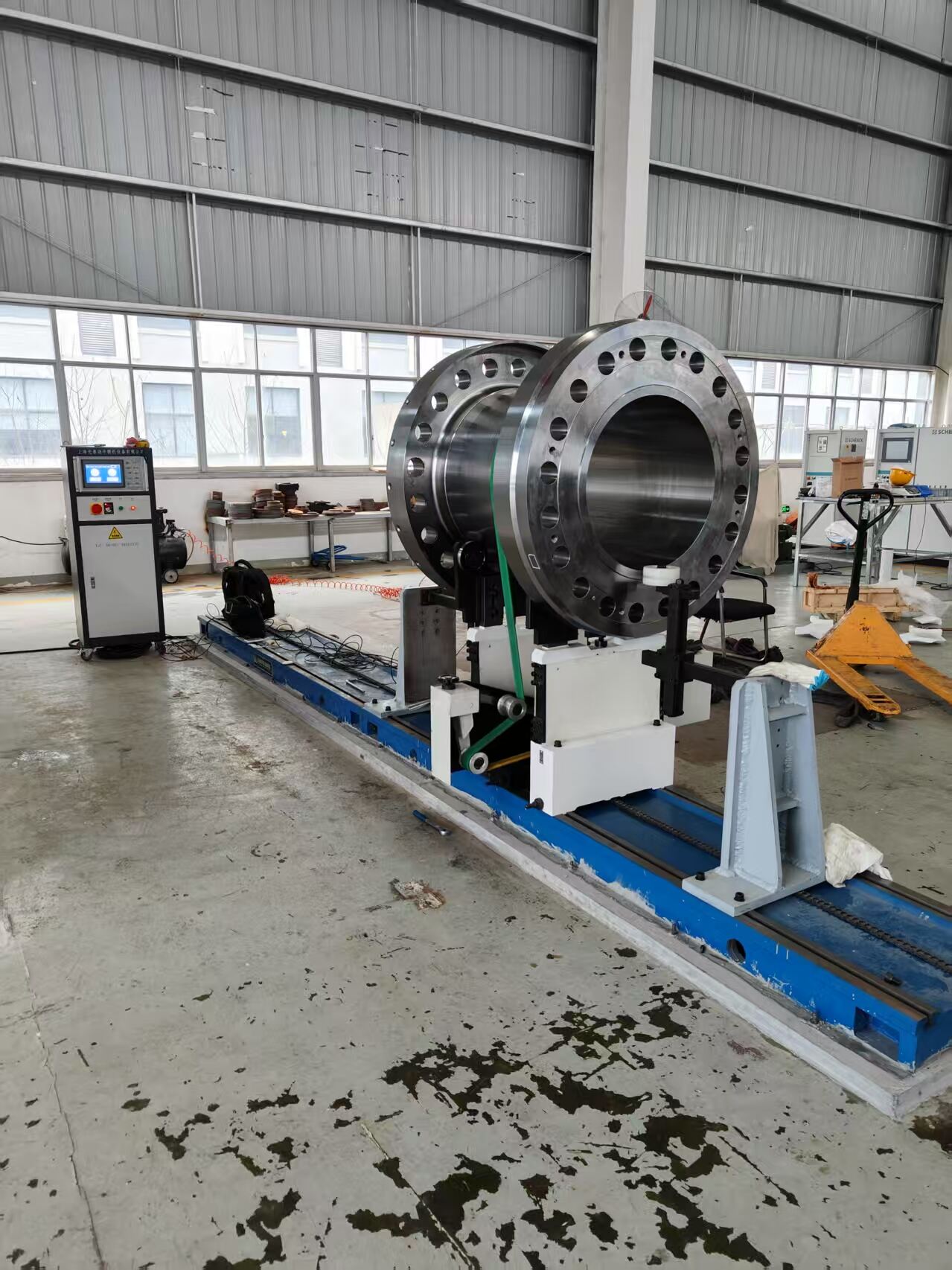
Manufacturing precision and operational efficiency are fundamental to industrial success, particularly when working with rotating equipment. Rotor balancing machines serve as critical tools in ensuring mechanical components operate smoothly and reliably. These sophisticated instruments detect and correct imbalances in rotors, preventing vibrations that can lead to premature wear, energy waste, and costly downtime. Understanding proper operation procedures for rotor balancing machines directly impacts productivity, equipment longevity, and overall manufacturing quality.
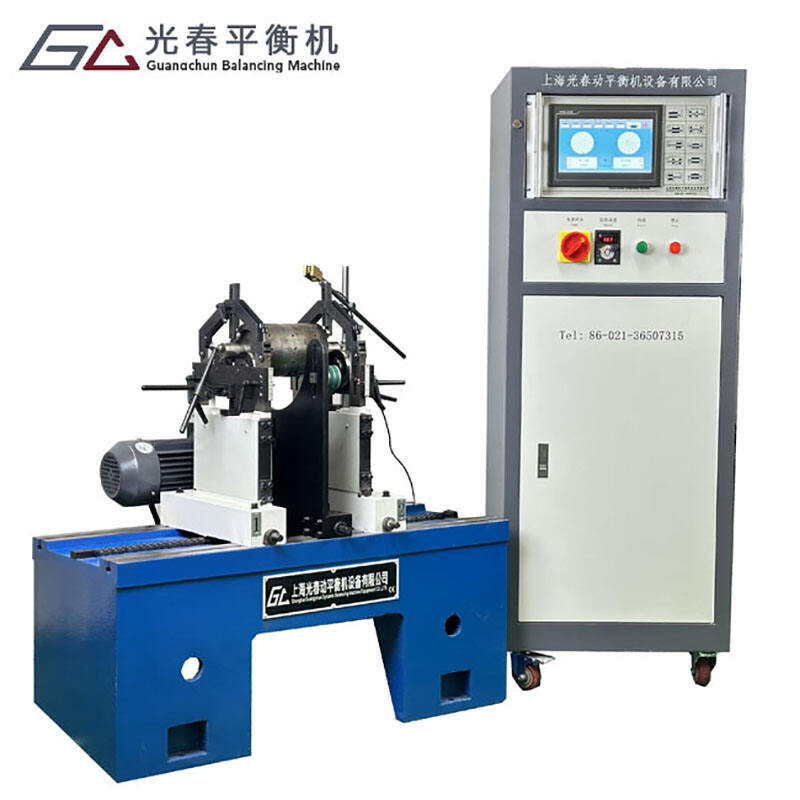
Implementing systematic operational protocols transforms standard balancing procedures into highly efficient processes. When operators follow established guidelines, they maximize the capabilities of rotor balancing machines while minimizing errors and reducing processing time. This comprehensive approach ensures consistent results and maintains the precision standards required in modern manufacturing environments.
Understanding Rotor Balancing Machine Fundamentals
Core Components and Their Functions
Rotor balancing machines incorporate several essential components that work together to achieve precise balance measurements. The drive system rotates the workpiece at controlled speeds, while sensors detect vibration patterns and displacement. Electronic control units process this data to calculate correction weights and their optimal placement locations. Understanding each component's role enables operators to identify potential issues and maintain optimal performance.
The measurement system forms the heart of these machines, utilizing accelerometers or displacement sensors to detect imbalances. These sensors must be properly calibrated and positioned to ensure accurate readings. Modern rotor balancing machines often feature digital displays that provide real-time feedback, allowing operators to monitor the balancing process continuously and make adjustments as needed.
Types and Applications in Different Industries
Various types of rotor balancing machines serve different industrial applications, from small precision instruments to large industrial rotors. Hard-bearing machines offer high accuracy for lighter components, while soft-bearing systems handle heavier workpieces. Universal machines provide versatility for shops handling diverse rotor types, making them popular choices for service centers and maintenance facilities.
Each machine type requires specific operational procedures to achieve optimal results. Automotive applications demand different protocols compared to aerospace or industrial equipment balancing. Understanding these distinctions helps operators select appropriate parameters and procedures for each specific application, ensuring consistent quality outcomes.
Pre-Operation Setup and Preparation
Machine Calibration and Verification
Proper calibration forms the foundation of accurate balancing operations. Before beginning any balancing procedure, operators must verify that rotor balancing machines are properly calibrated using certified reference standards. This process involves checking sensor sensitivity, drive system alignment, and electronic system accuracy. Regular calibration verification prevents measurement errors that could compromise the entire balancing process.
The calibration process should follow manufacturer specifications and industry standards. Documentation of calibration results provides traceability and helps identify trends that might indicate equipment degradation. Maintaining detailed calibration records supports quality assurance programs and helps predict when recalibration might be necessary.
Workpiece Preparation and Mounting
Successful balancing operations begin with proper workpiece preparation. The rotor surface must be clean and free from contaminants that could affect sensor readings. Any existing balance weights should be removed, and the rotor should be inspected for damage or wear that might influence balancing results. Proper preparation ensures that measurements reflect the true imbalance condition.
Mounting procedures require careful attention to ensure the rotor is properly secured and aligned. Inadequate mounting can introduce additional vibrations that mask the true imbalance signature. Operators should verify that mounting fixtures are appropriate for the specific rotor type and that all connections are secure before beginning the balancing process.
Operating Procedures for Maximum Efficiency
Speed Selection and Run-Up Protocols
Selecting the appropriate balancing speed is crucial for accurate measurements and efficient operations. The chosen speed should be representative of the rotor's operational conditions while remaining within safe limits for both the machine and workpiece. rotor balancing machines typically operate at percentages of the rotor's running speed, with common ranges between 500-3000 RPM depending on the application.
The run-up procedure should be gradual and controlled to prevent damage and ensure accurate readings. Operators must monitor for unusual vibrations or noises that might indicate mounting problems or rotor defects. Establishing consistent run-up protocols helps identify potential issues early and maintains measurement repeatability across different operators and time periods.
Data Collection and Analysis Techniques
Effective data collection requires understanding the measurement principles behind rotor balancing machines. Operators should allow sufficient time for measurements to stabilize before recording readings. Multiple measurement cycles help verify consistency and identify any anomalies that might affect balancing accuracy. The quality of initial measurements directly impacts the efficiency of the entire balancing process.
Modern systems provide sophisticated analysis tools that help operators interpret measurement data. Understanding vector relationships and correction calculations enables more efficient balancing procedures. Operators who master these analysis techniques can often achieve acceptable balance levels in fewer correction runs, significantly improving overall productivity.
Correction Weight Application Methods
Weight Calculation and Placement Strategies
Accurate weight calculations form the basis of successful balancing operations. Rotor balancing machines calculate required correction weights based on measured imbalance vectors and specified correction radii. Operators must understand how different placement options affect the final balance quality and choose strategies that optimize both balance performance and practical considerations.
Weight placement strategies vary depending on rotor design and operational requirements. Some applications allow flexible placement options, while others have specific constraints due to aerodynamic or structural considerations. Experienced operators develop skills in optimizing placement strategies to minimize correction weight requirements while achieving specified balance tolerances.
Material Selection and Attachment Methods
The choice of correction weight materials affects both immediate balancing results and long-term performance. Lead, steel, and tungsten weights each offer different advantages depending on the application. Material density, temperature resistance, and attachment methods must be considered when selecting appropriate correction weights for specific rotor applications.
Attachment methods range from welding and screwing to specialized adhesives and mechanical clamps. The selected method must provide reliable retention throughout the rotor's operational life while allowing for future rebalancing if necessary. Proper attachment techniques ensure that correction weights remain in place and maintain their effectiveness over time.
Quality Control and Verification Procedures
Post-Balancing Verification Methods
Verification procedures confirm that balancing operations have achieved specified quality levels. Final measurements should demonstrate that residual imbalance falls within acceptable limits for the specific application. This verification step provides confidence in the balancing results and helps identify any procedural errors that might require correction.
Documentation of verification results supports quality assurance programs and provides evidence of compliance with industry standards. Detailed records help track balancing performance trends and identify opportunities for process improvements. Consistent verification procedures ensure that all balanced rotors meet specified requirements regardless of operator or time period.
Documentation and Traceability Requirements
Comprehensive documentation supports both quality control and regulatory compliance requirements. Records should include initial imbalance measurements, correction calculations, final verification results, and operator identification. This documentation provides traceability and enables investigation of any performance issues that might arise during rotor operation.
Modern rotor balancing machines often include automated documentation features that reduce manual recording requirements while ensuring completeness. Electronic records can be integrated with quality management systems to provide comprehensive traceability and support continuous improvement initiatives. Proper documentation practices protect both manufacturers and customers by providing evidence of proper balancing procedures.
Maintenance and Troubleshooting Strategies
Preventive Maintenance Schedules
Regular maintenance ensures that rotor balancing machines continue to operate at peak efficiency throughout their service life. Preventive maintenance schedules should address lubrication requirements, sensor calibration verification, and mechanical component inspection. Following manufacturer recommendations helps prevent unexpected failures and maintains measurement accuracy.
Maintenance procedures should be documented and tracked to identify patterns that might indicate emerging issues. Regular cleaning of sensors and measurement surfaces prevents contamination that could affect accuracy. Proper maintenance practices extend equipment life and reduce the total cost of ownership for rotor balancing machines.
Common Issues and Resolution Methods
Understanding common operational issues enables faster problem resolution and reduces downtime. Vibration problems often stem from mounting issues, sensor malfunctions, or environmental factors. Systematic troubleshooting approaches help operators identify root causes and implement effective solutions quickly.
Electronic system issues may require specialized diagnostic procedures and technical support. Maintaining relationships with equipment manufacturers provides access to expert assistance when complex problems arise. Training programs that cover troubleshooting techniques help operators develop skills necessary for independent problem resolution.
Advanced Techniques for Enhanced Efficiency
Multi-Plane Balancing Procedures
Complex rotors often require multi-plane balancing to achieve optimal results. These procedures involve correction weight placement at multiple axial locations to address both static and dynamic imbalances simultaneously. Understanding multi-plane balancing principles enables operators to handle more sophisticated rotor designs efficiently.
Multi-plane procedures require careful coordination between correction planes to avoid interference effects. Rotor balancing machines equipped with multi-plane capabilities provide tools for optimizing correction weight distribution. Operators who master these techniques can achieve superior balance quality while minimizing total correction weight requirements.
Automated Systems Integration
Modern manufacturing environments increasingly rely on automated systems to improve consistency and efficiency. Rotor balancing machines can be integrated with material handling systems, quality databases, and production scheduling software. These integrations reduce manual handling requirements and improve overall process efficiency.
Automated data collection and analysis capabilities reduce operator workload while improving measurement consistency. Integration with enterprise systems provides real-time production visibility and supports lean manufacturing initiatives. Understanding automation capabilities helps organizations maximize their investment in rotor balancing machines.
Training and Skill Development
Operator Certification Programs
Comprehensive training programs ensure that operators possess the skills necessary for efficient balancing operations. Certification programs typically cover theoretical principles, practical techniques, and safety procedures. Investing in operator training produces measurable improvements in productivity, quality, and equipment utilization.
Training programs should address both basic operational procedures and advanced techniques for handling complex balancing challenges. Hands-on training with actual rotor balancing machines provides practical experience that classroom instruction alone cannot deliver. Regular refresher training helps maintain skill levels and introduces operators to new technologies and procedures.
Continuous Improvement Methodologies
Implementing continuous improvement methodologies helps organizations optimize their balancing processes over time. Data collection and analysis reveal opportunities for reducing cycle times, improving quality, and minimizing waste. Systematic improvement approaches produce sustained benefits that compound over time.
Employee involvement in improvement initiatives leverages operator experience and insights to identify practical solutions. Regular process reviews and benchmarking activities help maintain focus on efficiency improvements. Organizations that embrace continuous improvement principles achieve superior performance from their rotor balancing machines.
FAQ
What factors most significantly impact balancing accuracy?
Balancing accuracy depends primarily on proper machine calibration, workpiece mounting quality, and measurement speed selection. Environmental factors such as temperature stability and vibration isolation also play important roles. Regular calibration verification and adherence to established procedures ensure consistent accuracy levels.
How often should rotor balancing machines be recalibrated?
Calibration frequency depends on usage intensity and accuracy requirements, but most manufacturers recommend quarterly verification for production environments. High-precision applications may require monthly calibration checks, while occasional-use machines might need only annual verification. Documentation of calibration drift patterns helps optimize calibration schedules.
What safety considerations are essential during balancing operations?
Safety protocols must address rotating equipment hazards, proper personal protective equipment use, and emergency shutdown procedures. Operators should be trained on speed limitations, mounting procedures, and recognition of abnormal conditions. Regular safety audits ensure that protective systems remain functional and procedures are being followed.
How can organizations measure the ROI of improved balancing procedures?
Return on investment can be measured through reduced cycle times, decreased rework rates, and improved equipment reliability. Tracking metrics such as first-pass success rates, processing time per rotor, and warranty claims provides quantitative evidence of improvement benefits. Long-term benefits include extended equipment life and reduced maintenance costs.
Table of Contents
- Understanding Rotor Balancing Machine Fundamentals
- Pre-Operation Setup and Preparation
- Operating Procedures for Maximum Efficiency
- Correction Weight Application Methods
- Quality Control and Verification Procedures
- Maintenance and Troubleshooting Strategies
- Advanced Techniques for Enhanced Efficiency
- Training and Skill Development
- FAQ

