 EN
EN


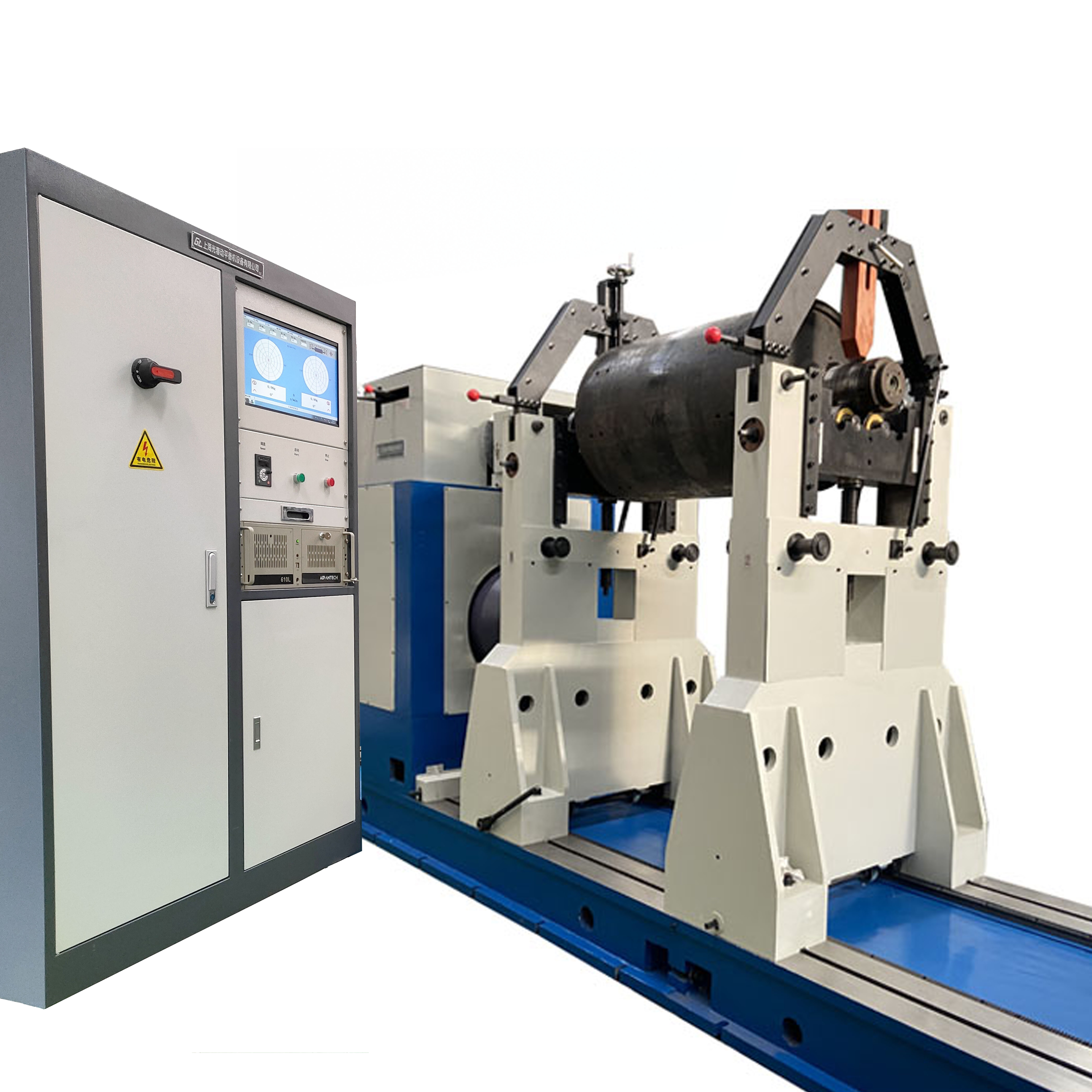
When evaluating general balancing machines for industrial applications, understanding their precision and accuracy capabilities becomes crucial for making informed investment decisions. Modern general balancing machines have evolved significantly, incorporating advanced sensor technology, sophisticated control systems, and refined measurement algorithms that directly impact their performance metrics. The precision and accuracy you can expect from today's general balancing machines depend on multiple factors including machine design, measurement technology, environmental conditions, and proper calibration procedures.
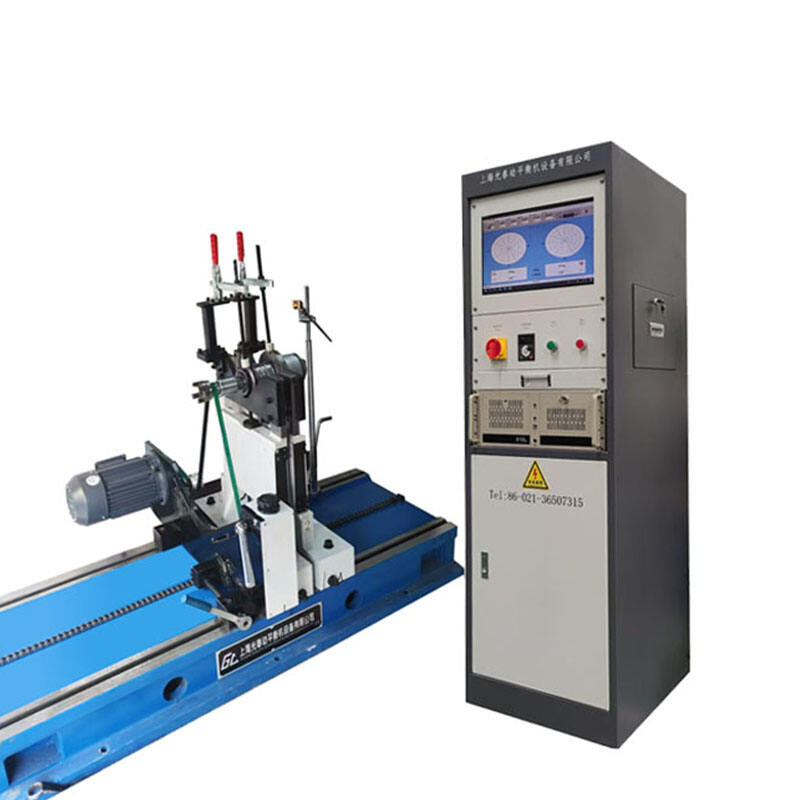
The answer to what precision and accuracy levels are achievable varies considerably based on machine specifications and application requirements. High-end general balancing machines can achieve unbalance measurement accuracies within 0.1% of the actual unbalance value, while precision levels can reach tolerances as tight as 0.01 gmm for smaller rotors. However, these performance characteristics must be evaluated within the context of specific operational parameters, rotor characteristics, and measurement conditions that influence real-world balancing outcomes.
Understanding Precision Specifications in General Balancing Machines
Measurement Resolution and Sensitivity
The measurement resolution of general balancing machines determines the smallest unbalance increment that can be detected and displayed by the system. Modern general balancing machines typically offer measurement resolutions ranging from 0.001 to 0.01 gmm, depending on the machine's design and intended application scope. This resolution directly affects the machine's ability to identify subtle imbalances that could impact rotor performance at high operating speeds.
Sensitivity specifications indicate how effectively general balancing machines can distinguish actual unbalance signals from background noise and vibration interference. Higher sensitivity allows for more precise measurements, particularly when working with lightweight rotors or components that exhibit minimal unbalance characteristics. The sensitivity of modern systems is enhanced through advanced signal processing algorithms and improved sensor technologies.
Environmental factors significantly influence measurement sensitivity in general balancing machines. Temperature variations, ambient vibration levels, and electromagnetic interference can all affect the machine's ability to maintain consistent sensitivity across different operating conditions. Quality general balancing machines incorporate compensation mechanisms to minimize these environmental influences on measurement precision.
Calibration Standards and Verification
Calibration procedures establish the foundation for precision performance in general balancing machines. Standard calibration protocols involve using certified reference masses placed at known positions to verify the machine's measurement accuracy across its operating range. These calibration standards ensure that general balancing machines maintain their specified precision levels throughout their operational lifespan.
Verification procedures complement calibration by providing ongoing confirmation of measurement precision. Regular verification using known unbalance standards helps identify drift in machine performance before it significantly impacts measurement accuracy. Modern general balancing machines often include automated verification routines that streamline this process while maintaining measurement integrity.
Traceability to national measurement standards ensures that precision specifications for general balancing machines remain consistent with established metrology frameworks. This traceability provides confidence in measurement results and facilitates comparison between different machines and measurement facilities, supporting quality assurance requirements in manufacturing environments.
Accuracy Factors in Modern Balancing Technology
Sensor Technology and Signal Processing
Advanced sensor technologies form the cornerstone of accuracy improvements in contemporary general balancing machines. Piezoelectric accelerometers, capacitive displacement sensors, and optical measurement systems each contribute unique advantages for different balancing applications. The selection and integration of appropriate sensor technologies directly influence the overall accuracy capabilities of general balancing machines in specific operational contexts.
Digital signal processing algorithms enhance measurement accuracy by filtering unwanted noise, compensating for systematic errors, and extracting relevant unbalance information from complex vibration signals. These processing capabilities enable general balancing machines to maintain high accuracy even in challenging measurement environments where traditional analog systems might struggle with interference or signal degradation.
Real-time compensation mechanisms adjust for factors that could compromise measurement accuracy, including bearing friction variations, drive system irregularities, and thermal effects on machine components. This adaptive capability ensures that general balancing machines maintain their accuracy specifications across extended operating periods and varying environmental conditions.
Machine Design and Structural Considerations
The mechanical design of general balancing machines significantly impacts their accuracy potential through factors such as structural rigidity, isolation from external vibrations, and precision of rotating components. Robust machine frames and precision spindle systems minimize measurement uncertainties that could compromise accuracy results, particularly when working with sensitive or high-speed rotors.
Vibration isolation systems prevent external disturbances from affecting measurement accuracy in general balancing machines. Effective isolation ensures that measurements reflect only the unbalance characteristics of the test rotor rather than environmental vibrations or building movements that could introduce measurement errors.
Drive system precision contributes to overall measurement accuracy by providing stable, consistent rotation during balancing operations. Variable frequency drives with precise speed control and minimal speed variations help maintain measurement conditions that support accurate unbalance determination in general balancing machines across different rotor types and sizes.
Operational Parameters Affecting Performance
Speed Selection and Operating Conditions
Operating speed selection critically influences both precision and accuracy in general balancing machines. The relationship between rotor speed and measurement sensitivity follows established principles where higher speeds generally provide improved signal-to-noise ratios for unbalance detection. However, speed selection must consider rotor critical speeds, bearing limitations, and safety constraints to maintain optimal measurement conditions.
Multi-speed capabilities in modern general balancing machines allow optimization of measurement conditions for different rotor types and unbalance characteristics. This flexibility enables operators to select speeds that maximize measurement accuracy while respecting operational safety limits and rotor-specific constraints that might affect balancing performance.
Environmental conditioning requirements ensure that general balancing machines operate within their specified accuracy ranges. Temperature control, humidity management, and cleanliness standards all contribute to maintaining measurement consistency and preventing degradation of precision performance over time.
Rotor Characteristics and Mounting Effects
Rotor mounting methods significantly impact the achievable precision and accuracy in general balancing machines. Proper mounting techniques minimize measurement uncertainties introduced by fixture compliance, mounting eccentricity, and clamping-induced distortions. The quality of mounting directly affects the reliability and repeatability of balancing measurements.
Rotor geometry and material properties influence measurement accuracy through their effects on vibration transmission and sensor signal quality. Flexible rotors, lightweight components, and complex geometries each present unique challenges that must be addressed through appropriate measurement strategies and machine configuration adjustments.
Dynamic characteristics of test rotors, including their mass distribution and structural dynamics, affect how accurately general balancing machines can determine unbalance locations and magnitudes. Understanding these characteristics helps optimize measurement procedures and interpret results within appropriate accuracy expectations.
Industry Standards and Measurement Expectations
International Standards Compliance
International standards such as ISO 1940 and ISO 21940 series provide frameworks for evaluating precision and accuracy capabilities of general balancing machines. These standards establish grade requirements, measurement procedures, and acceptance criteria that guide both machine manufacturers and users in setting appropriate performance expectations for different applications.
Compliance with these standards ensures that general balancing machines deliver consistent, reliable measurements that meet industry expectations for quality and performance. Standard compliance also facilitates comparison between different machines and provides confidence in measurement results across various manufacturing and service applications.
Certification procedures verify that general balancing machines meet specified accuracy and precision requirements according to established standards. This certification provides documented evidence of machine capabilities and supports quality management systems that depend on traceable measurement results.
Application-Specific Requirements
Different industrial applications demand varying levels of precision and accuracy from general balancing machines. Automotive components, aerospace rotors, and industrial machinery each have specific requirements that influence the selection and configuration of appropriate balancing equipment. Understanding these application-specific needs helps establish realistic expectations for measurement performance.
Quality grade requirements determine the level of precision needed for specific rotor applications. Higher quality grades demand tighter tolerance control and more precise measurements from general balancing machines, while lower grades may accept broader measurement uncertainties while still achieving acceptable operational performance.
Production volume considerations affect how precision and accuracy requirements are implemented in general balancing machines. High-volume production environments may prioritize measurement consistency and repeatability over absolute accuracy, while low-volume or research applications might require maximum precision for each individual measurement.
FAQ
What accuracy levels can modern general balancing machines achieve for typical industrial rotors?
Modern general balancing machines typically achieve accuracy levels of 0.1% to 0.5% of the measured unbalance value for most industrial rotors. High-precision models can reach accuracies of 0.05% or better under optimal conditions. The actual accuracy depends on factors including rotor size, operating speed, machine design, and environmental conditions during measurement.
How does measurement repeatability compare between different types of general balancing machines?
Measurement repeatability in general balancing machines varies based on machine design and quality level. High-quality machines typically demonstrate repeatability within ±2% to ±5% of the measured value across multiple measurement cycles. Soft-bearing machines often provide better repeatability for flexible rotors, while hard-bearing machines excel with rigid components. Environmental control and proper calibration significantly influence repeatability performance.
What factors most significantly impact the precision performance of general balancing machines?
The most significant factors affecting precision include sensor quality and calibration, mechanical design rigidity, vibration isolation effectiveness, and environmental stability. Drive system precision, measurement electronics quality, and software algorithm sophistication also play crucial roles. Proper maintenance, regular calibration, and appropriate operating procedures are essential for maintaining specified precision levels over time.
Can general balancing machines maintain their accuracy specifications across different rotor sizes and weights?
General balancing machines maintain their accuracy specifications within their designed operating ranges for rotor mass and size. However, accuracy may vary across the full operating envelope, with optimal performance typically achieved within the middle range of machine capacity. Very light rotors may approach the sensitivity limits, while maximum capacity rotors might experience reduced relative accuracy due to structural deflection or sensor saturation effects.
Table of Contents
- Understanding Precision Specifications in General Balancing Machines
- Accuracy Factors in Modern Balancing Technology
- Operational Parameters Affecting Performance
- Industry Standards and Measurement Expectations
-
FAQ
- What accuracy levels can modern general balancing machines achieve for typical industrial rotors?
- How does measurement repeatability compare between different types of general balancing machines?
- What factors most significantly impact the precision performance of general balancing machines?
- Can general balancing machines maintain their accuracy specifications across different rotor sizes and weights?

