 EN
EN


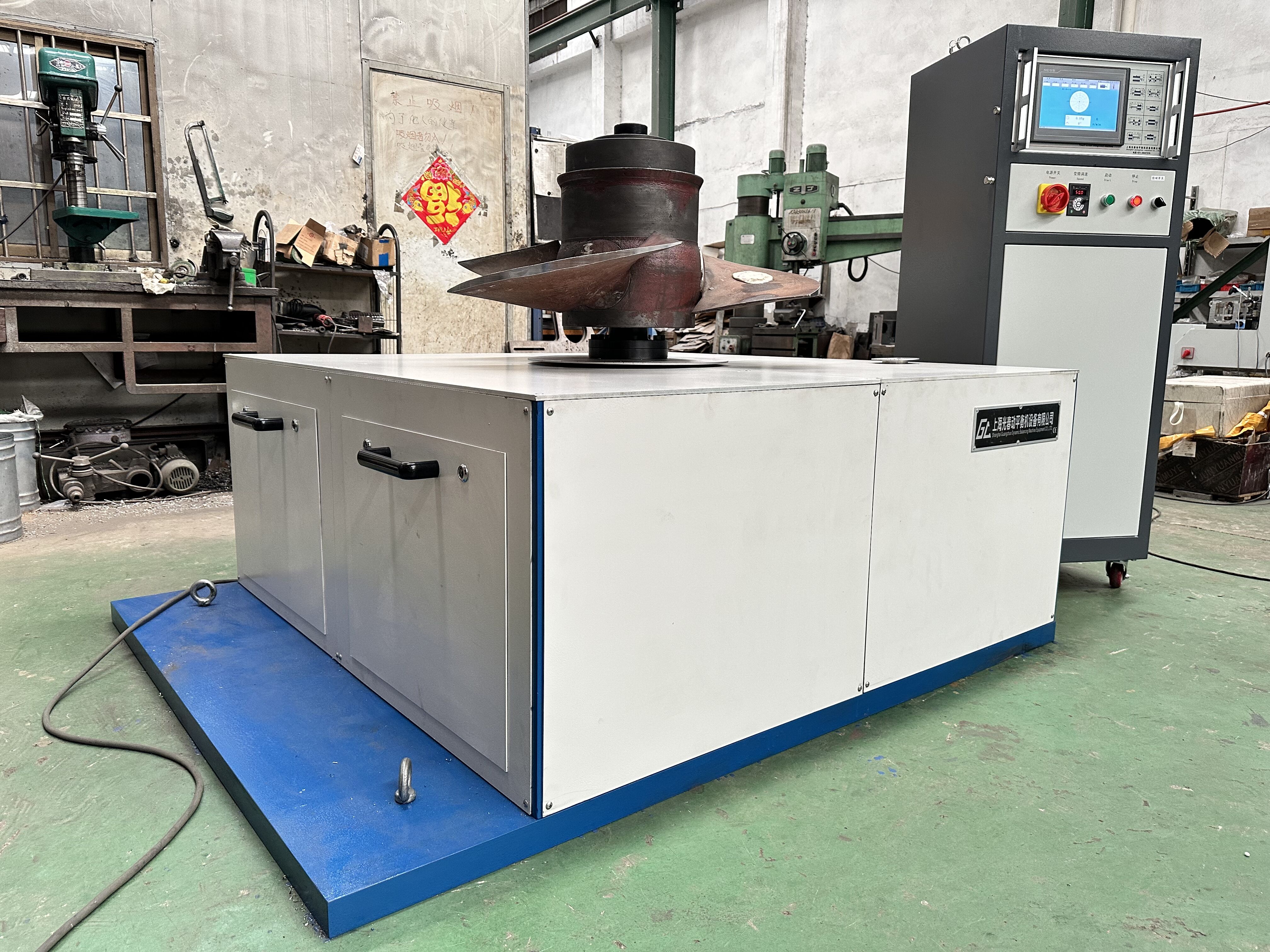
Critical rotating equipment forms the backbone of industrial operations, yet many maintenance programs overlook a fundamental verification step that could prevent catastrophic failures. When rotor imbalance goes undetected, it creates a cascade of mechanical stress that compromises bearing life, increases energy consumption, and threatens operational safety. Understanding why balancing verification deserves a prominent place in your maintenance schedule becomes essential for any facility that depends on reliable rotating machinery performance.
Modern industrial facilities house countless rotating components, from massive turbine generators to precision spindle motors, each requiring specific attention to dynamic balance. The financial implications of rotor imbalance extend far beyond immediate repair costs, affecting production schedules, energy efficiency, and equipment longevity. Smart maintenance professionals recognize that systematic balancing verification provides measurable returns through reduced downtime, extended component life, and improved operational stability across their entire rotating equipment portfolio.
The Hidden Costs of Unverified Rotor Balance
Mechanical Stress Amplification in Critical Systems
Rotor imbalance creates centrifugal forces that multiply exponentially with rotational speed, generating vibrations that propagate throughout connected machinery systems. These forces place tremendous stress on bearings, seals, and structural supports, accelerating wear patterns that would normally develop over years into months or weeks. The mechanical stress amplification effect means that even minor imbalances become significant reliability threats as operating speeds increase, particularly in high-speed applications where balancing verification becomes absolutely critical for safe operation.
Supporting structures and foundations also absorb these dynamic forces, potentially causing alignment issues in connected equipment and creating secondary failure modes. The interconnected nature of industrial machinery means that balancing verification problems in one rotor can cascade through multiple systems, affecting pumps, compressors, and motors that share common baselines or coupling arrangements. This mechanical stress amplification underscores why balancing verification must be treated as a system-wide concern rather than an isolated component check.
Energy Consumption Penalties from Dynamic Imbalance
Unbalanced rotors require additional energy to overcome the parasitic forces created by mass eccentricity, directly impacting operational efficiency and utility costs. The energy penalty varies with the square of rotational speed and the magnitude of imbalance, meaning high-speed equipment suffers disproportionately from verification lapses. Modern energy management systems can detect these consumption increases, but without systematic balancing verification, operators often attribute higher energy usage to normal aging or loading variations rather than correctable imbalance conditions.
Drive systems compensate for imbalance by working harder to maintain target speeds, generating additional heat and reducing overall system efficiency. This compensation effect becomes particularly pronounced in variable frequency drive applications where the control system continuously adjusts to overcome dynamic forces. Regular balancing verification helps identify these hidden energy drains, allowing maintenance teams to restore optimal efficiency levels and reduce long-term operating costs through improved mechanical conditioning.
Critical Applications Where Balance Verification Prevents Failures
Turbomachinery and Power Generation Equipment
Power generation facilities depend on massive rotating equipment where even microscopic imbalances can create devastating consequences at operating speeds. Steam turbines, gas turbines, and generator rotors operate at speeds where balancing verification becomes essential for preventing blade fatigue, bearing damage, and catastrophic rotor failure. The extreme consequences of imbalance in these applications make systematic verification protocols a fundamental safety requirement rather than an optional maintenance enhancement.
Generator rotors particularly require precision balancing verification because electrical load variations can shift rotor dynamics during operation, potentially creating new imbalance conditions over time. The magnetic forces in generators interact with mechanical imbalances in complex ways, making regular verification essential for detecting problems before they escalate into forced outages. Power plant maintenance schedules increasingly recognize that balancing verification provides critical early warning of developing problems that could otherwise result in extended shutdowns and massive repair costs.
Manufacturing Spindles and Precision Machinery
High-speed manufacturing spindles demand exceptional balance precision to maintain product quality and dimensional accuracy during machining operations. Even slight imbalances create tool chatter, surface finish problems, and accelerated tool wear that directly affects production quality and throughput. Balancing verification in these applications becomes a quality control measure as much as a reliability practice, ensuring that manufacturing processes maintain their specified precision levels throughout extended production runs.
Precision machinery applications often specify balance tolerances measured in fractions of grams at specific radii, requiring sophisticated verification techniques and equipment. The economic impact of poor balance in manufacturing includes scrap production, reduced tool life, and machine tool accuracy degradation that compounds over time. Systematic balancing verification protocols help manufacturing facilities maintain their quality standards while maximizing equipment utilization and minimizing unplanned maintenance interventions.
Implementing Effective Balance Verification Protocols
Frequency Determination Based on Operating Conditions
Establishing appropriate balancing verification intervals requires careful analysis of operating conditions, equipment criticality, and historical performance data. High-speed machinery operating in demanding environments typically requires more frequent verification than lower-speed equipment in controlled conditions. The determination process should consider factors such as rotational speed, load variations, environmental contamination, and the consequences of unexpected failures when setting verification schedules.
Critical equipment may warrant continuous monitoring systems that provide real-time balancing verification data, while less critical machinery might require only periodic scheduled checks. The frequency determination process should also account for seasonal variations, process changes, and equipment aging that can affect balance stability over time. Smart maintenance programs use condition-based triggers alongside time-based intervals to optimize verification timing and resource allocation.
Technology Selection for Accurate Balance Assessment
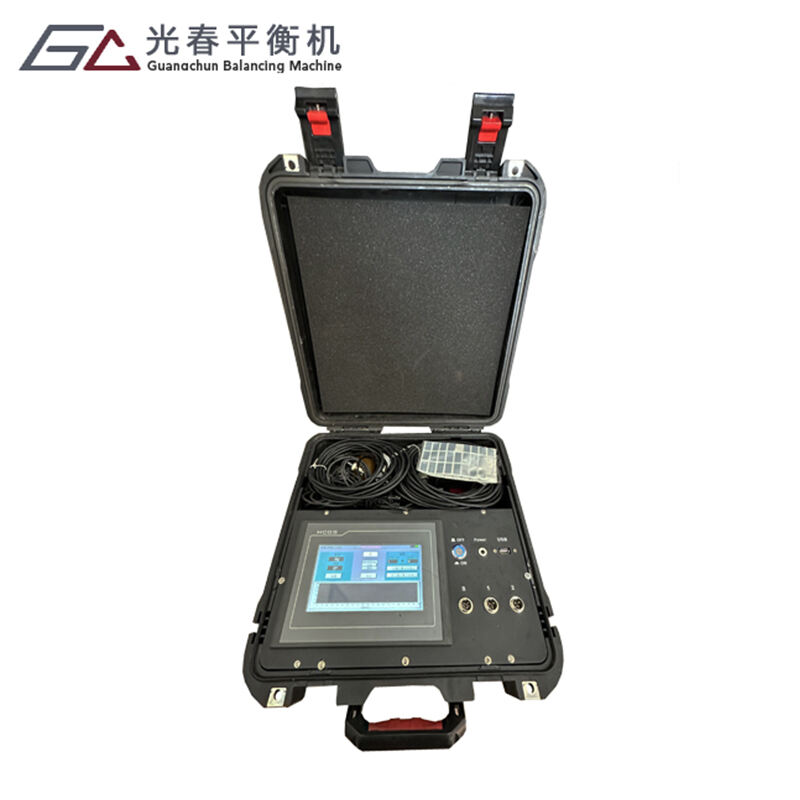
Modern balancing verification technology ranges from portable vibration analyzers to sophisticated permanent monitoring systems, each offering different capabilities and accuracy levels. Portable instruments provide flexibility for comprehensive facility coverage and detailed analysis capabilities, while permanent systems offer continuous monitoring for the most critical equipment. The technology selection process should consider measurement accuracy requirements, operator skill levels, and integration capabilities with existing maintenance management systems.
Advanced balancing verification systems incorporate multiple measurement techniques, including vibration analysis, displacement measurement, and phase analysis to provide comprehensive rotor condition assessment. These systems can detect developing imbalance conditions long before they become apparent through routine vibration monitoring, enabling proactive maintenance interventions. The investment in appropriate verification technology typically pays for itself through improved equipment reliability and reduced maintenance costs within the first year of implementation.
Integration with Comprehensive Maintenance Strategies
Condition-Based Maintenance Synergies
Balancing verification integrates naturally with broader condition-based maintenance programs, providing complementary data that enhances overall equipment health assessment. Vibration trends, thermal imaging, and oil analysis results gain additional context when combined with systematic balance verification data, creating a more complete picture of equipment condition. This integration allows maintenance teams to identify complex failure modes that might not be apparent through individual monitoring techniques alone.
The synergistic relationship between balancing verification and other condition monitoring techniques enables predictive maintenance strategies that optimize intervention timing and resource allocation. Combined monitoring approaches can differentiate between balance-related problems and other mechanical issues such as misalignment, looseness, or bearing wear, ensuring that maintenance actions address root causes rather than symptoms. This comprehensive approach to condition assessment maximizes the value of maintenance investments while minimizing unnecessary interventions.
Documentation and Trending for Continuous Improvement
Systematic documentation of balancing verification results creates valuable trending data that helps optimize maintenance intervals and identify equipment-specific patterns. Historical balance data reveals how different operating conditions, maintenance practices, and equipment modifications affect rotor stability over time. This information becomes invaluable for refining maintenance strategies and making informed decisions about equipment replacement or modification priorities.
Trending analysis of balancing verification data often reveals subtle patterns that predict future problems, enabling proactive maintenance planning and inventory management. The documentation process should capture not only measurement results but also operating conditions, maintenance actions, and environmental factors that might influence balance stability. This comprehensive approach to data management transforms routine verification activities into strategic tools for continuous reliability improvement and cost optimization.
FAQ
How often should critical rotors undergo balancing verification?
The frequency of balancing verification depends on equipment criticality, operating speed, and environmental conditions, typically ranging from quarterly checks for the most critical high-speed machinery to annual verification for less critical equipment. High-speed turbomachinery may require monthly or even continuous monitoring, while standard industrial motors might need verification only during major overhauls. The key is establishing a risk-based approach that considers the consequences of failure alongside the probability of balance degradation over time.
What level of imbalance requires immediate correction?
Imbalance correction thresholds vary significantly based on equipment type, operating speed, and application requirements, but generally follow established standards such as ISO 21940 which provides specific limits for different machine classes. Critical machinery like turbines may require correction at much lower imbalance levels than general industrial equipment, and high-speed applications always have tighter tolerance requirements. The decision should consider not only current imbalance magnitude but also the rate of change and trending patterns that might indicate developing problems.
Can portable instruments provide sufficient accuracy for balancing verification?
Modern portable balancing instruments offer excellent accuracy for most industrial applications, often exceeding the precision of older permanent monitoring systems while providing greater flexibility and cost-effectiveness. The key factors are proper instrument calibration, operator training, and appropriate measurement techniques for the specific application. Portable systems excel in comprehensive facility coverage and detailed analysis capabilities, making them ideal for systematic verification programs across diverse equipment populations.
How does balancing verification differ from routine vibration monitoring?
Balancing verification specifically measures mass distribution and dynamic forces in rotating equipment, while routine vibration monitoring provides broader condition assessment including bearing wear, misalignment, and other mechanical problems. Verification typically requires phase analysis and specific measurement techniques to determine imbalance magnitude and angular location, whereas vibration monitoring focuses on trend analysis and overall amplitude changes. Both techniques complement each other in comprehensive condition monitoring programs, with verification providing the detailed information needed for precise balance correction.

