 EN
EN


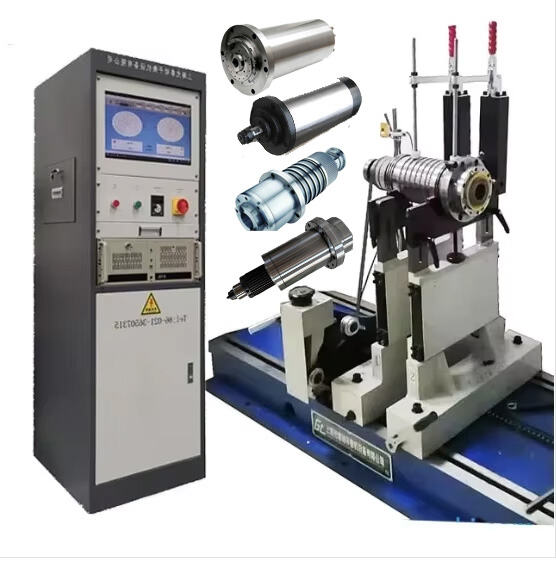
General balancing machines represent a cornerstone technology in modern manufacturing and maintenance operations, serving industries ranging from automotive and aerospace to heavy machinery and precision instruments. These sophisticated devices ensure that rotating components operate smoothly, efficiently, and safely by detecting and correcting mass imbalances that can lead to vibration, premature wear, and catastrophic failure. The precision and reliability of general balancing machines have made them indispensable tools for quality control departments, repair facilities, and production lines worldwide.
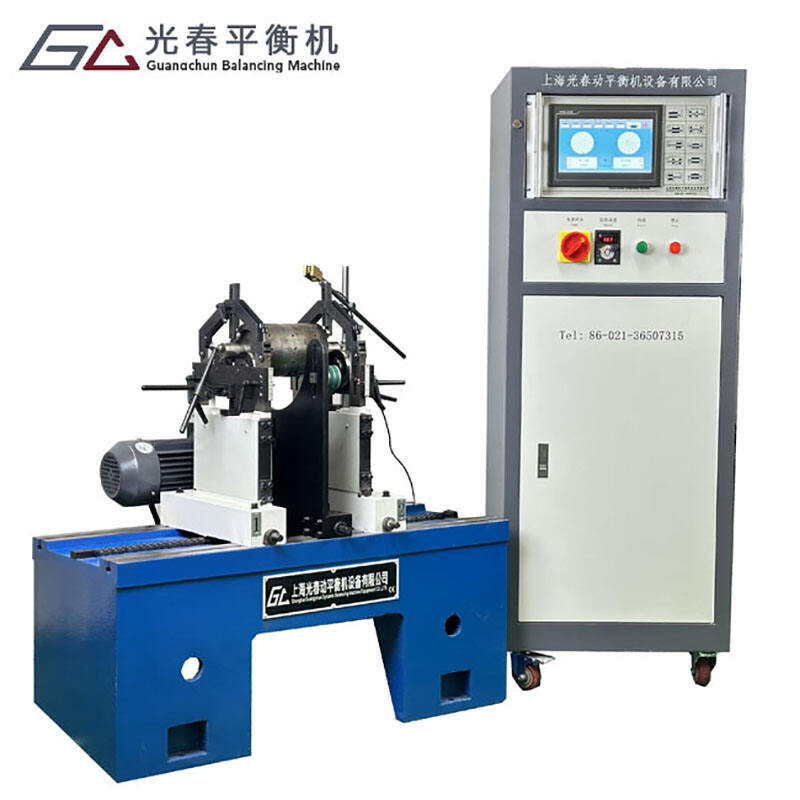
The fundamental principle behind general balancing machines lies in their ability to measure and analyze the dynamic forces generated by rotating objects. When a component spins, any uneven distribution of mass creates centrifugal forces that manifest as vibrations. These vibrations not only reduce operational efficiency but can also cause significant damage to bearings, seals, and other critical components over time. By identifying the precise location and magnitude of imbalances, general balancing machines enable technicians to add or remove material at specific points, restoring the component to optimal balance.
Modern manufacturing demands have elevated the importance of precision balancing across numerous industries. From high-speed turbines generating electricity to delicate medical centrifuges processing blood samples, the applications for general balancing machines continue to expand. The technology has evolved significantly from early mechanical systems to sophisticated computer-controlled platforms that can detect imbalances measuring just fractions of a gram on components weighing several tons.
Core Components and Operating Principles
Measurement Systems and Sensors
The heart of any general balancing machine lies in its measurement system, typically comprising accelerometers, velocity sensors, or displacement transducers strategically positioned to detect vibrations. These sensors convert mechanical vibrations into electrical signals that can be processed and analyzed by the machine's control system. Advanced general balancing machines employ multiple sensor configurations to capture both radial and axial vibrations, providing comprehensive data about the component's dynamic behavior.
Signal processing capabilities have revolutionized how general balancing machines interpret vibration data. Modern systems utilize fast Fourier transforms and digital filtering techniques to isolate balance-related frequencies from background noise and other mechanical disturbances. This enhanced signal clarity allows operators to distinguish between imbalance-induced vibrations and those caused by bearing defects, misalignment, or structural resonances, leading to more accurate diagnoses and corrections.
Drive Systems and Mechanical Framework
The mechanical foundation of general balancing machines must provide stable, vibration-free support while allowing the test component to rotate freely. Most machines feature robust pedestals or frames constructed from cast iron or welded steel, designed to isolate the measurement zone from external vibrations. The drive system, whether belt-driven, direct-drive, or air-turbine powered, must deliver smooth, consistent rotation across a wide speed range without introducing additional vibrations that could compromise measurement accuracy.
Variable speed control represents a critical feature in modern general balancing machines, as different components require testing at their operational speeds or specific fractions thereof. Belt-drive systems offer excellent vibration isolation and can accommodate a wide range of rotor sizes and weights, while direct-drive configurations provide precise speed control and eliminate belt-related variables. The choice between drive systems often depends on the specific application requirements and the weight capacity of the machine.
Classification and Types
Horizontal Balancing Machines
Horizontal general balancing machines represent the most common configuration, designed to accommodate components that naturally operate in a horizontal orientation. These machines typically feature two supporting pedestals with adjustable cradles or centers that hold the component during testing. The horizontal design allows for easy loading of heavy or awkward-shaped parts and provides excellent access for making balance corrections. Most automotive components, including crankshafts, drive shafts, and rotors, are balanced using horizontal machines due to their natural mounting orientation.
The versatility of horizontal general balancing machines makes them suitable for a broad range of component sizes and weights. Smaller bench-top models can handle precision instruments and electronic components weighing just a few grams, while industrial-scale machines can accommodate multi-ton turbine rotors and generator assemblies. The modular design of many horizontal systems allows for quick reconfiguration to handle different component types without extensive setup changes.
Vertical Balancing Machines
Vertical general balancing machines excel in applications where components naturally operate in a vertical orientation or where space constraints favor a compact footprint. These machines typically feature a bottom drive system with the component mounted above, allowing gravity to assist in proper seating and alignment. Vertical configurations are particularly well-suited for disc-shaped components such as brake rotors, flywheels, and grinding wheels, where the vertical orientation provides better access to both sides of the part.
The space efficiency of vertical general balancing machines makes them attractive for facilities with limited floor space or where multiple machines must be installed in close proximity. However, vertical machines generally have lower weight capacities compared to horizontal designs due to structural limitations and the challenges of supporting heavy components in a vertical orientation. Advanced vertical machines incorporate sophisticated clamping systems and safety features to ensure secure component mounting throughout the test cycle.
Key Features and Capabilities
Measurement Accuracy and Resolution
The measurement accuracy of general balancing machines has improved dramatically with advances in sensor technology and digital signal processing. Modern machines can detect imbalances as small as 0.1 gram-millimeters on components weighing several hundred kilograms, representing a resolution capability that exceeds the requirements of most industrial applications. This exceptional accuracy enables manufacturers to achieve balance quality grades specified by international standards such as ISO 1940 and API 610, ensuring optimal performance and extended service life for critical rotating equipment.
Temperature compensation and environmental controls further enhance the accuracy of general balancing machines by minimizing the effects of thermal expansion and ambient conditions on measurement results. Advanced systems incorporate automatic calibration routines that verify measurement accuracy before each test cycle, providing confidence in the reliability of balance corrections. Statistical process control features enable operators to track measurement trends and identify potential issues before they affect product quality.
Automation and User Interface
Contemporary general balancing machines feature sophisticated automation capabilities that streamline the balancing process and reduce operator skill requirements. Automated part loading systems, programmable test sequences, and robotic correction systems can transform balancing from a manual craft into a highly repeatable manufacturing process. Touch-screen interfaces provide intuitive operation while storing extensive databases of component specifications, test procedures, and historical results.
Integration capabilities allow general balancing machines to communicate with manufacturing execution systems, quality management databases, and automated production lines. Real-time data collection enables statistical analysis of balance quality trends, predictive maintenance scheduling, and immediate feedback to upstream manufacturing processes. These connectivity features support Industry 4.0 initiatives and provide the data visibility required for continuous improvement programs.
Industrial Applications and Use Cases
Automotive Industry Applications
The automotive industry represents one of the largest markets for general balancing machines, with applications spanning from high-volume production lines to specialized repair facilities. Crankshaft balancing requires exceptional precision due to the critical role these components play in engine smoothness and durability. Modern automotive general balancing machines can process hundreds of crankshafts per hour while maintaining strict quality standards, incorporating automated correction systems that add or remove material without human intervention.
Wheel and tire assemblies present unique challenges for general balancing machines due to their size, weight, and the need for both static and dynamic balance correction. Specialized machines designed for automotive wheels feature integrated correction systems that can apply wheel weights or perform material removal operations automatically. The increasing popularity of high-performance vehicles and luxury cars has driven demand for more precise wheel balancing, pushing the capabilities of general balancing machines to new levels of accuracy and repeatability.
Aerospace and Defense Applications
Aerospace applications demand the highest levels of precision and reliability from general balancing machines, as even minor imbalances can lead to catastrophic failures in flight-critical systems. Turbine engine components, including compressor and turbine wheels, require balance quality grades that exceed those found in most industrial applications. Specialized aerospace general balancing machines incorporate environmental chambers, precise speed control systems, and extensive data logging capabilities to meet stringent certification requirements.
Military and defense applications often involve unique components with specialized materials and complex geometries that challenge conventional balancing approaches. General balancing machines designed for defense applications must accommodate security requirements, provide detailed traceability records, and maintain accuracy across extreme environmental conditions. The long service life expectations of military equipment place additional emphasis on achieving optimal balance quality to minimize maintenance requirements and ensure mission readiness.
Selection Criteria and Considerations
Weight Capacity and Size Requirements
Selecting appropriate general balancing machines requires careful consideration of the maximum component weight and dimensions that will be encountered in production or service applications. Machines with insufficient capacity may provide inaccurate results or experience premature wear, while oversized machines may lack the sensitivity required for smaller components. The optimal approach involves analyzing the complete range of components to be balanced and selecting machines with appropriate capacity margins to accommodate future requirements.
Dimensional constraints often prove as important as weight limitations when specifying general balancing machines. Components with large diameters but relatively low weights may require machines with extended bed lengths or specialized fixtures to ensure proper support during testing. Conversely, compact but heavy components may need machines with reinforced structures and enhanced vibration isolation to maintain measurement accuracy. Modular machine designs can provide flexibility to accommodate varying component sizes without requiring multiple dedicated machines.
Speed Range and Performance Requirements
The operating speed range of general balancing machines must match the requirements of the components being tested, as balance quality can vary significantly with rotational speed. High-speed applications such as turbomachinery may require testing at speeds exceeding 50,000 RPM, demanding specialized drive systems and safety containment features. Low-speed applications, including large industrial fans and generators, may require extended measurement times and enhanced signal processing to achieve adequate sensitivity.
Performance requirements for general balancing machines extend beyond basic measurement capabilities to include factors such as cycle time, automation level, and integration compatibility. High-volume production environments favor machines with rapid test cycles and automated correction systems, while repair and service applications may prioritize flexibility and diagnostic capabilities. Understanding the complete workflow requirements helps ensure that selected general balancing machines will meet both current needs and future expansion plans.
Installation and Setup Considerations
Foundation and Environmental Requirements
Proper installation of general balancing machines requires careful attention to foundation design and environmental control to ensure optimal measurement accuracy and long-term reliability. The foundation must provide stable support while isolating the machine from external vibrations transmitted through the building structure. Concrete pads with isolation joints or specialized vibration isolation systems may be necessary in facilities with high ambient vibration levels or nearby heavy machinery.
Environmental factors such as temperature stability, humidity control, and air quality can significantly impact the performance of general balancing machines. Temperature variations cause thermal expansion of both the machine structure and test components, potentially introducing measurement errors. Controlled environments with stable temperatures and filtered air supplies help maintain consistent accuracy and reduce maintenance requirements. Proper ventilation systems also ensure operator comfort and safety during extended operation periods.
Calibration and Validation Procedures
Establishing reliable calibration procedures represents a critical aspect of general balancing machines installation and ongoing operation. Initial calibration involves verifying measurement accuracy using certified reference standards and documenting system performance across the complete operating range. Regular recalibration schedules ensure continued accuracy and provide traceability to national measurement standards, supporting quality system requirements and customer confidence.
Validation procedures for general balancing machines should encompass both measurement accuracy and repeatability testing using representative components from actual production. Statistical analysis of validation results helps establish measurement uncertainty values and control limits for production monitoring. Comprehensive documentation of calibration and validation procedures supports regulatory compliance and provides the foundation for continuous improvement initiatives.
FAQ
What factors determine the accuracy of general balancing machines
The accuracy of general balancing machines depends on several key factors including sensor quality and calibration, foundation stability, environmental conditions, and the mechanical precision of the machine structure. High-quality accelerometers or velocity sensors provide the foundation for accurate measurements, while proper calibration ensures that readings correspond to actual imbalance conditions. A stable, vibration-isolated foundation prevents external disturbances from affecting measurements, and controlled temperature and humidity conditions minimize thermal effects on both the machine and test components.
How do general balancing machines handle different component sizes
General balancing machines accommodate different component sizes through adjustable fixtures, modular bed designs, and configurable drive systems. Most machines feature telescoping beds or adjustable pedestals that can be positioned to support components ranging from small precision parts to large industrial rotors. Interchangeable fixtures and adapters allow secure mounting of various component geometries, while variable-speed drive systems ensure appropriate testing speeds for different applications. Advanced machines may include automatic setup features that configure the machine parameters based on component identification or stored programs.
What maintenance is required for optimal performance
Regular maintenance of general balancing machines includes sensor calibration verification, mechanical component inspection, and software updates to ensure continued accuracy and reliability. Daily maintenance typically involves cleaning the machine surfaces and checking for loose connections or obvious wear. Weekly tasks include lubricating moving parts according to manufacturer specifications and verifying that safety systems function properly. Monthly maintenance involves more thorough inspections of drive components, electrical connections, and measurement system calibration using certified reference standards.
Can general balancing machines integrate with existing production systems
Modern general balancing machines offer extensive integration capabilities through standardized communication protocols, data management systems, and automated material handling interfaces. Ethernet connectivity, industrial protocols such as Modbus or Profinet, and database integration allow machines to share data with manufacturing execution systems and quality management platforms. Automated loading systems can interface with conveyor systems or robotic cells to enable lights-out operation, while real-time data streaming supports statistical process control and predictive maintenance programs. Custom integration solutions can be developed to meet specific production workflow requirements and existing system architectures.

