 EN
EN


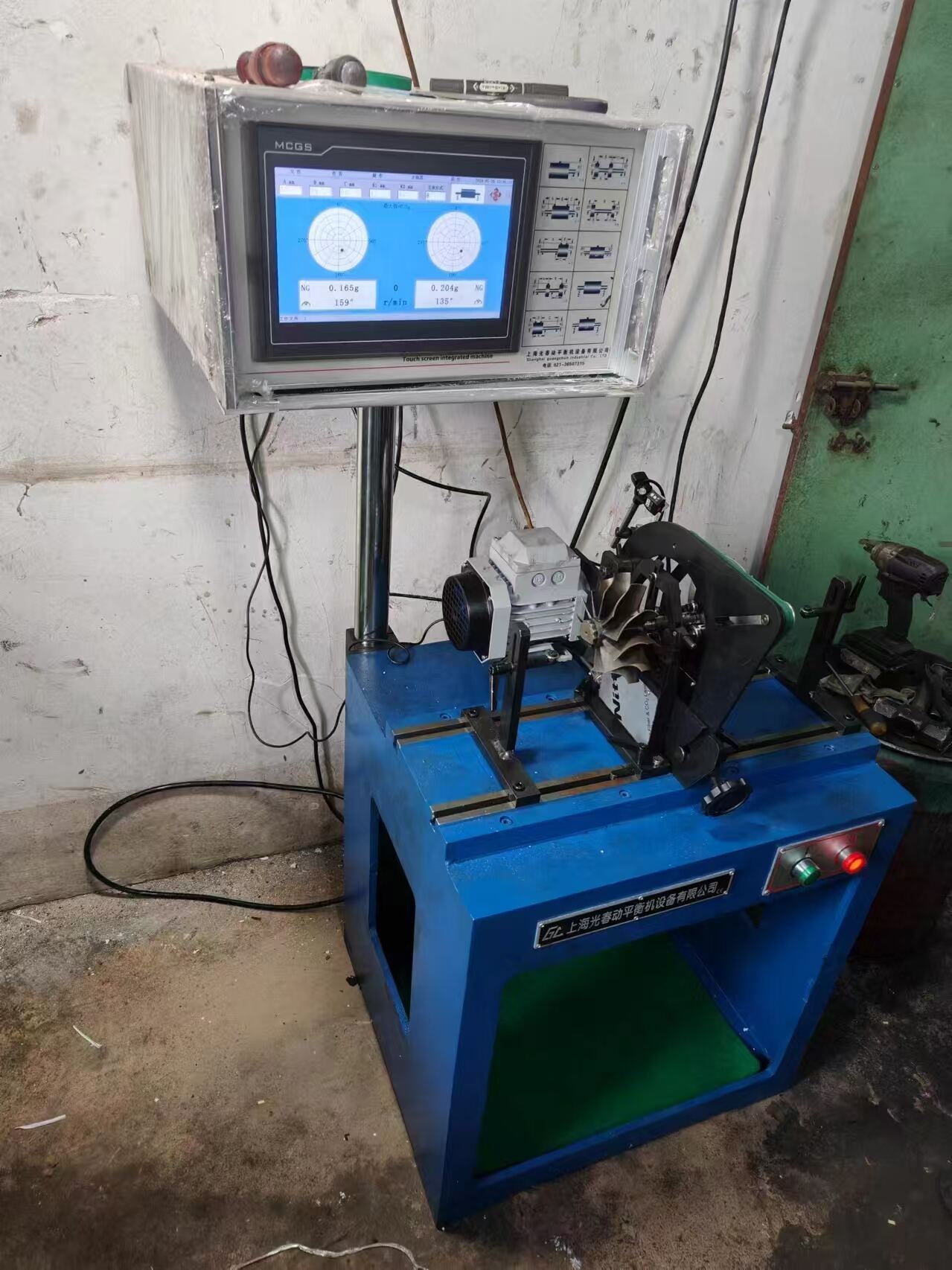
The precision engineering behind modern turbocharged engines relies heavily on the meticulous balancing of turbocharger components, making turbochargerturbine balancing machines essential equipment in automotive manufacturing and repair facilities. These sophisticated instruments ensure that turbocharger assemblies operate at optimal efficiency levels while minimizing vibrations that could lead to premature wear or catastrophic failure. Understanding the fundamental principles and operational mechanics of these specialized balancing systems provides valuable insights into maintaining peak engine performance across various applications.
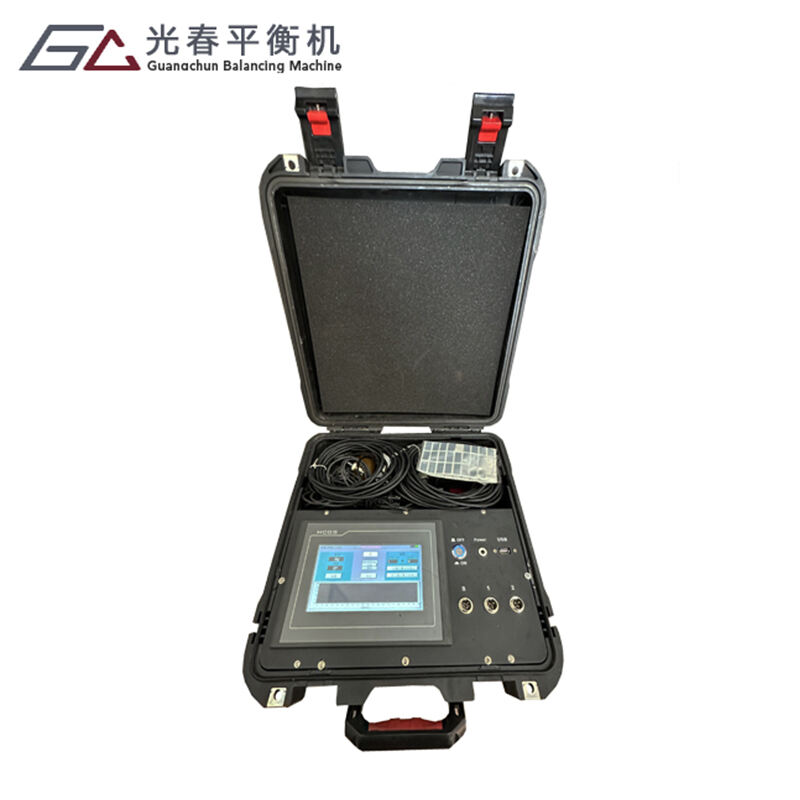
Modern turbochargerturbine balancing machines incorporate advanced sensor technologies and computerized analysis systems to detect even minute imbalances in rotating assemblies. The precision required for turbocharger components exceeds that of many other automotive parts due to the extremely high rotational speeds involved, often reaching 200,000 RPM or higher during normal operation. This demanding operational environment necessitates balancing tolerances measured in fractions of grams, making specialized equipment indispensable for achieving acceptable performance standards.
Fundamental Operating Principles
Dynamic Balance Detection Methods
The core functionality of turbochargerturbine balancing machines centers around dynamic measurement techniques that analyze vibration patterns while the component spins at controlled speeds. High-precision accelerometers mounted at strategic locations detect vibration amplitudes and phase relationships, providing comprehensive data about mass distribution irregularities throughout the rotating assembly. This information enables technicians to identify specific locations where corrective weights must be added or material removed to achieve optimal balance conditions.
Advanced signal processing algorithms convert raw vibration data into actionable correction information, displaying results through intuitive graphical interfaces that guide operators through the balancing procedure. The measurement process typically involves multiple measurement cycles at different rotational speeds to ensure accuracy across the entire operational range of the turbocharger. This multi-speed approach accounts for potential speed-dependent effects that might not be apparent during single-speed measurements.
Sensor Configuration and Calibration
Proper sensor placement and calibration procedures form the foundation of accurate balance measurements in turbochargerturbine balancing machines. Vibration sensors must be positioned to maximize signal sensitivity while minimizing interference from external sources such as floor vibrations or nearby machinery. The calibration process involves establishing baseline measurements with known reference standards, ensuring that subsequent readings accurately reflect actual imbalance conditions rather than systematic measurement errors.
Temperature compensation mechanisms within modern balancing systems account for thermal effects that could influence measurement accuracy during extended operation periods. Sophisticated filtering algorithms separate genuine imbalance signals from background noise, providing reliable data even in challenging industrial environments where multiple vibration sources may be present simultaneously.
Technical Specifications and Capabilities
Measurement Precision and Accuracy
Professional-grade turbochargerturbine balancing machines achieve measurement accuracies typically within 0.1 grams per correction plane, enabling precise identification of imbalance locations and magnitudes. The resolution capabilities of these systems allow detection of imbalances as small as 0.01 gram-millimeters, ensuring that even minor irregularities can be addressed before they contribute to operational problems. This level of precision requires careful attention to environmental factors such as ambient vibration levels and temperature stability during the measurement process.
Speed range capabilities of modern balancing equipment accommodate the diverse requirements of different turbocharger designs, from small passenger vehicle applications to large commercial diesel units. Variable speed drives with precise RPM control enable measurements at multiple points throughout the operational envelope, providing comprehensive analysis of balance characteristics across different operating conditions.
Software Integration and Data Management
Contemporary turbochargerturbine balancing machines integrate sophisticated software packages that streamline the measurement process while maintaining detailed records of all balancing operations. These systems feature database capabilities for storing component specifications, historical balance data, and quality control parameters, enabling trend analysis and predictive maintenance strategies. Automated reporting functions generate comprehensive documentation for quality assurance purposes, including before-and-after balance measurements and correction procedures applied.
Network connectivity options allow integration with broader manufacturing execution systems, enabling real-time monitoring of balancing operations and automatic data transfer to enterprise resource planning platforms. This connectivity facilitates statistical process control implementations that can identify trends in imbalance patterns, potentially indicating upstream manufacturing issues that require attention.
Industrial Applications and Market Segments
Automotive Manufacturing Applications
Original equipment manufacturers rely on turbochargerturbine balancing machines throughout the production process, from initial component verification to final assembly quality control. These applications require high-throughput capabilities combined with exceptional accuracy to meet demanding production schedules while maintaining stringent quality standards. Automated loading systems and robotic handling equipment often integrate with balancing machines to minimize cycle times and reduce labor costs in high-volume manufacturing environments.
The automotive aftermarket represents another significant application area where turbochargerturbine balancing machines play crucial roles in remanufacturing operations and performance enhancement projects. Rebuilding facilities use these systems to restore turbochargers to original specifications, while performance shops employ them to optimize custom turbocharger configurations for racing and high-performance applications.
Aerospace and Industrial Gas Turbine Applications
The aerospace industry demands even higher precision levels from turbochargerturbine balancing machines due to the critical safety implications and extreme operating conditions encountered in aircraft applications. These specialized systems must accommodate larger components while maintaining measurement accuracies suitable for components operating at temperatures exceeding 1000 degrees Celsius and pressures reaching multiple atmospheres.
Industrial gas turbine applications in power generation and petrochemical processing facilities require balancing capabilities for components ranging from small auxiliary units to massive power generation turbines. The reliability demands in these applications necessitate balancing procedures that account for thermal growth effects and operational load variations that could influence balance characteristics during service.
Maintenance and Calibration Requirements
Preventive Maintenance Protocols
Regular maintenance schedules for turbochargerturbine balancing machines include systematic verification of sensor performance, drive system accuracy, and measurement repeatability using certified reference standards. These procedures typically involve monthly checks of critical parameters such as speed accuracy, vibration sensor sensitivity, and phase measurement precision. Comprehensive annual calibrations performed by qualified technicians ensure continued compliance with relevant industry standards and regulatory requirements.
Environmental monitoring systems track ambient conditions that could affect measurement accuracy, including temperature variations, humidity levels, and background vibration characteristics. Proper facility preparation includes isolation mounting systems that minimize external vibration transmission and climate control systems that maintain stable operating conditions throughout the measurement process.
Quality Assurance and Certification
Certification procedures for turbochargerturbine balancing machines involve rigorous testing protocols that verify compliance with international standards such as ISO 21940 for mechanical vibration and balance quality requirements. These certifications require demonstration of measurement accuracy across specified operating ranges using traceable reference standards maintained by accredited calibration laboratories.
Documentation requirements for certified balancing operations include detailed records of calibration procedures, measurement uncertainties, and environmental conditions during testing. This comprehensive documentation supports quality management systems and provides traceability for components balanced using certified equipment, ensuring accountability throughout the supply chain.
Future Technology Trends
Advanced Measurement Technologies
Emerging technologies in turbochargerturbine balancing machines include laser vibrometry systems that enable non-contact measurement capabilities, eliminating potential sensor mass effects that could influence measurement accuracy. These optical measurement techniques offer enhanced precision while reducing setup complexity and maintenance requirements associated with traditional contact sensors.
Artificial intelligence integration promises to revolutionize balancing operations through predictive algorithms that can anticipate optimal correction strategies based on historical data patterns and component characteristics. Machine learning capabilities will enable automated optimization of balancing procedures, reducing operator skill requirements while improving consistency and throughput rates.
Industry 4.0 Integration
Smart factory implementations incorporate turbochargerturbine balancing machines as integral components of connected manufacturing systems that enable real-time production monitoring and adaptive quality control strategies. Internet of Things connectivity allows remote monitoring of equipment performance and predictive maintenance scheduling based on actual usage patterns rather than arbitrary time intervals.
Cloud-based data analytics platforms will aggregate balancing data from multiple facilities, enabling global optimization strategies and identification of systematic issues that might not be apparent at individual facility levels. This connectivity supports continuous improvement initiatives and facilitates rapid dissemination of best practices across manufacturing networks.
FAQ
What factors determine the accuracy requirements for turbochargerturbine balancing machines
Accuracy requirements depend primarily on the operational speed range and power output of the turbocharger application, with higher-performance units requiring more precise balancing tolerances. Component mass and geometry also influence accuracy needs, as larger rotors can tolerate slightly higher absolute imbalance levels while maintaining acceptable vibration characteristics. Industry standards and regulatory requirements establish minimum accuracy thresholds that must be achieved for specific applications.
How often should turbochargerturbine balancing machines undergo calibration verification
Calibration verification schedules typically range from monthly checks for high-utilization production environments to quarterly verifications for lower-volume applications, with annual comprehensive calibrations performed regardless of usage levels. Critical applications such as aerospace components may require more frequent verification cycles to ensure continued compliance with stringent quality requirements. Environmental factors and equipment age also influence optimal calibration frequencies.
What training requirements exist for operators of turbochargerturbine balancing machines
Operator training programs typically include theoretical instruction covering vibration analysis principles, practical hands-on experience with equipment operation, and certification testing to verify competency levels. Advanced applications may require specialized training in specific industry standards, safety protocols, and quality management procedures. Continuing education ensures operators stay current with evolving technologies and regulatory requirements affecting balancing operations.
Can turbochargerturbine balancing machines accommodate different turbocharger sizes and configurations
Modern balancing systems feature adjustable fixturing and variable speed capabilities that accommodate diverse turbocharger designs ranging from small passenger vehicle units to large commercial applications. Modular tooling systems enable rapid changeover between different component types while maintaining measurement accuracy and repeatability. Software configuration options allow optimization of measurement parameters for specific turbocharger characteristics and performance requirements.
Table of Contents
- Fundamental Operating Principles
- Technical Specifications and Capabilities
- Industrial Applications and Market Segments
- Maintenance and Calibration Requirements
- Future Technology Trends
-
FAQ
- What factors determine the accuracy requirements for turbochargerturbine balancing machines
- How often should turbochargerturbine balancing machines undergo calibration verification
- What training requirements exist for operators of turbochargerturbine balancing machines
- Can turbochargerturbine balancing machines accommodate different turbocharger sizes and configurations

