 EN
EN


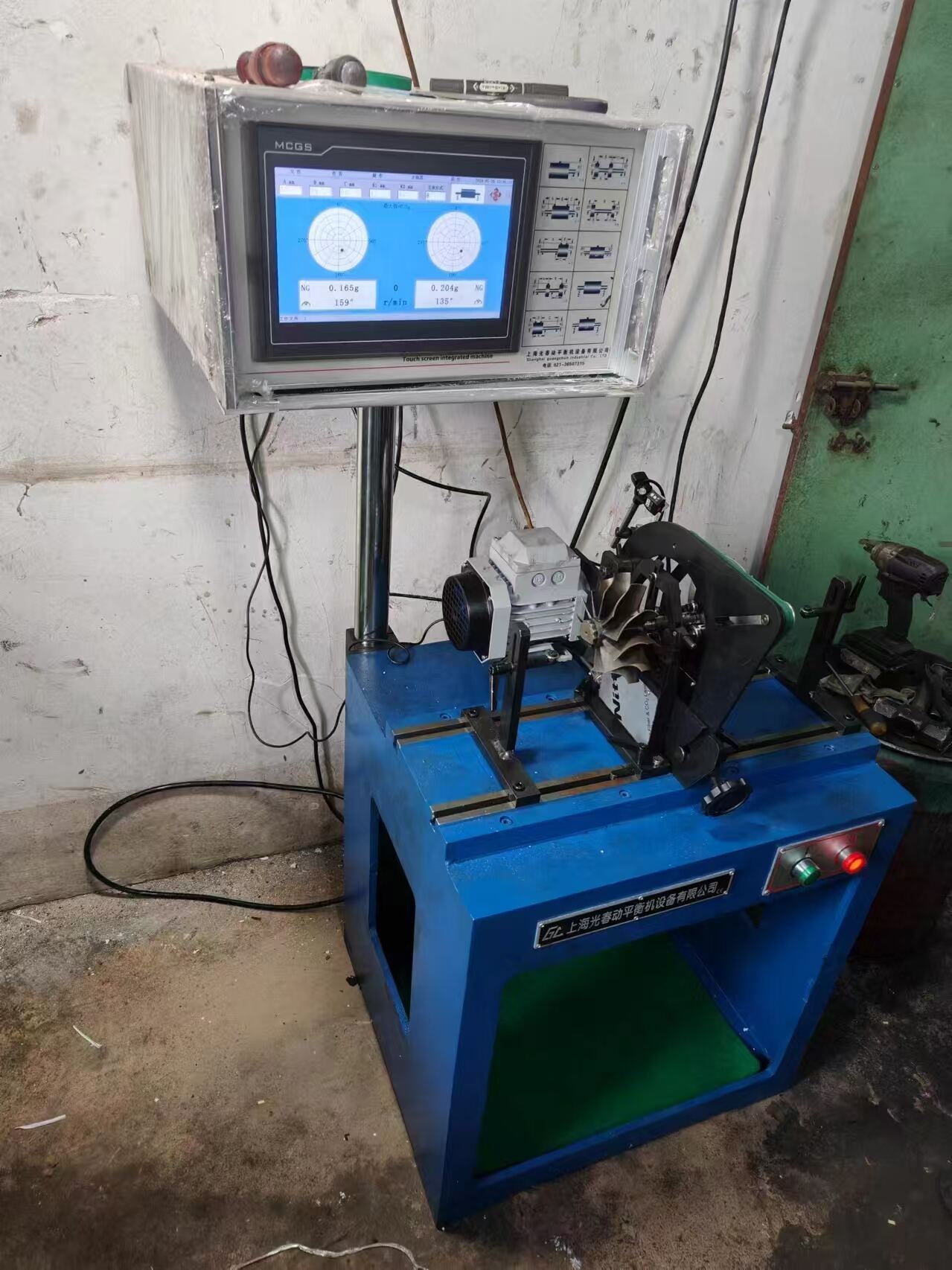
Industrial turbochargerturbine balancing machines represent critical infrastructure in modern manufacturing facilities, requiring meticulous maintenance protocols to ensure optimal performance and extended operational lifespan. These sophisticated machines play an essential role in automotive, aerospace, and power generation industries where precision balancing directly impacts equipment reliability and safety standards. Proper maintenance of turbochargerturbine balancing machines involves systematic inspection procedures, calibration verification, and preventive care protocols that minimize downtime while maximizing measurement accuracy. Understanding the fundamental maintenance requirements for these precision instruments enables operators to maintain consistent balancing quality while reducing operational costs and avoiding costly equipment failures.

Daily Inspection and Cleaning Protocols
Surface Condition Assessment
Regular surface inspection of turbochargerturbine balancing machines prevents contamination buildup that can compromise measurement accuracy and mechanical performance. Operators should examine all accessible surfaces for signs of oil residue, metal particles, or foreign debris that might interfere with sensitive measuring components. Daily cleaning protocols should include thorough wiping of measurement surfaces using lint-free cloths and appropriate cleaning solvents recommended by the manufacturer. The spindle housing and bearing surfaces require particular attention since any contamination in these areas directly affects rotational accuracy and can lead to false readings during balancing operations.
Visual inspection of electrical connections and control panels forms another critical component of daily maintenance routines for turbochargerturbine balancing machines. Loose connections, damaged cables, or signs of electrical arcing can indicate developing problems that require immediate attention. Operators should check all emergency stop mechanisms, safety interlocks, and protective guards to ensure they function correctly and provide adequate protection during machine operation. Documentation of daily inspection findings helps establish maintenance trends and enables predictive maintenance scheduling based on observed wear patterns and component degradation rates.
Calibration Verification Procedures
Daily calibration checks ensure turbochargerturbine balancing machines maintain measurement accuracy within specified tolerances throughout extended operational periods. Standard calibration procedures typically involve using certified reference weights placed at known positions to verify the machine's ability to detect and measure unbalance conditions accurately. These verification checks should follow manufacturer-specified protocols and use traceable calibration standards to maintain measurement traceability and compliance with quality management systems. Recording calibration results in maintenance logs provides valuable data for tracking measurement drift and scheduling comprehensive calibration services.
Temperature stabilization represents another crucial factor in calibration verification for turbochargerturbine balancing machines, as thermal effects can significantly impact measurement accuracy. Machines should be allowed adequate warm-up time before performing calibration checks, particularly in environments with significant temperature variations. Environmental factors such as humidity, vibration from nearby equipment, and air currents can also affect measurement stability and should be controlled or compensated for during calibration procedures. Regular environmental monitoring helps maintain consistent operating conditions that support reliable calibration verification results.
Mechanical Component Maintenance
Spindle and Bearing Care
The spindle assembly forms the heart of turbochargerturbine balancing machines and requires specialized maintenance attention to preserve rotational accuracy and extend service life. Proper lubrication of spindle bearings follows manufacturer-specified intervals and uses approved lubricants that provide optimal performance under varying load and speed conditions. Over-lubrication can cause excessive drag and heat buildup, while insufficient lubrication leads to premature bearing wear and potential spindle failure. Regular monitoring of spindle temperature during operation helps identify developing lubrication problems or bearing degradation before catastrophic failure occurs.
Spindle runout measurements provide quantitative assessment of mechanical accuracy and help determine when spindle refurbishment or replacement becomes necessary. Precision dial indicators or laser measurement systems can detect minute variations in spindle concentricity that might not be apparent during normal operation but could significantly impact balancing accuracy. Establishing baseline runout measurements for new or recently serviced turbochargerturbine balancing machines enables operators to track mechanical degradation over time and schedule maintenance interventions before accuracy specifications are exceeded.
Drive System Maintenance
Drive motor maintenance ensures turbochargerturbine balancing machines operate at specified speeds with minimal vibration and smooth acceleration characteristics. Regular inspection of motor brushes, commutators, and electrical connections prevents unexpected failures that could interrupt production schedules. Variable frequency drives require periodic inspection of cooling fans, heat sinks, and internal electrical components to maintain proper thermal management and electrical performance. Drive belt tension adjustment and replacement at recommended intervals prevents power transmission problems that could affect balancing operation consistency.
Coupling alignment between drive motors and spindle assemblies requires periodic verification to prevent premature bearing wear and ensure smooth power transmission. Misalignment generates unwanted vibrations that can compromise measurement accuracy and create additional stress on mechanical components throughout the drive train. Laser alignment tools provide precise measurement of coupling alignment and enable accurate adjustment procedures that minimize mechanical stress. Proper coupling maintenance includes regular inspection for signs of wear, cracking, or deterioration that might indicate the need for replacement or realignment services.
Electronic System Care and Calibration
Sensor Maintenance and Alignment
Vibration sensors on turbochargerturbine balancing machines require regular inspection and cleaning to maintain sensitivity and prevent signal degradation that could compromise measurement accuracy. Sensor mounting integrity should be verified periodically to ensure proper mechanical coupling with the machine structure and prevent loose connections that generate measurement errors. Cable connections require inspection for signs of damage, corrosion, or wear that might create intermittent signal problems during operation. Shielded cables used in sensor circuits need particular attention to maintain electromagnetic interference immunity and signal quality.
Sensor calibration verification involves comparing sensor outputs with known reference signals to confirm measurement accuracy and linearity across the expected operating range. Electronic test equipment capable of generating precise vibration simulation signals enables comprehensive sensor testing without requiring mechanical vibration sources. Temperature compensation characteristics should be verified for sensors operating in environments with significant temperature variations, as thermal effects can cause measurement drift in sensitive turbochargerturbine balancing machines. Documentation of sensor performance trends helps predict when recalibration or replacement services become necessary.
Control System Diagnostics
Control system diagnostics for turbochargerturbine balancing machines involve systematic testing of input and output circuits to verify proper operation of measurement and control functions. Built-in diagnostic routines provided by manufacturers can identify developing problems in electronic circuits before they cause operational failures. Regular backup of control system software and configuration parameters protects against data loss and enables rapid system restoration following electronic component failures. Software updates and security patches should be applied according to manufacturer recommendations to maintain system reliability and cybersecurity protection.
Communication interface testing ensures proper data exchange between turbochargerturbine balancing machines and external systems such as quality management databases or production control networks. Network connectivity problems can interrupt data logging and reporting functions that support quality assurance and production monitoring requirements. Regular testing of emergency stop circuits and safety interlocks verifies that protective systems function correctly and provide adequate personnel protection during machine operation. Documentation of diagnostic test results creates valuable maintenance records that support troubleshooting efforts and warranty claim procedures.
Environmental Control and Facility Considerations
Temperature and Humidity Management
Environmental control around turbochargerturbine balancing machines significantly impacts measurement accuracy and equipment longevity through its effects on mechanical stability and electronic performance. Temperature fluctuations cause thermal expansion and contraction of mechanical components that can introduce measurement errors and mechanical stress. Maintaining stable ambient temperatures within manufacturer-specified ranges requires appropriate heating, ventilation, and air conditioning systems designed to handle the heat loads generated by balancing equipment and associated machinery. Humidity control prevents condensation formation on sensitive electronic components and reduces corrosion risks for mechanical parts.
Air quality management includes filtration systems that remove airborne contaminants that could interfere with precision measurement functions or accelerate component wear. Dust particles can accumulate on sensitive surfaces and affect measurement accuracy, while chemical vapors from nearby processes might cause corrosion or degradation of electronic components. Regular monitoring of environmental conditions using calibrated instruments provides data for optimizing facility control systems and identifying environmental factors that might affect machine performance. Environmental data logging creates historical records that support troubleshooting efforts and help identify correlations between environmental conditions and measurement accuracy trends.
Vibration Isolation and Structural Considerations
Foundation design and vibration isolation systems protect turbochargerturbine balancing machines from external vibration sources that could compromise measurement accuracy and mechanical stability. Proper foundation design involves adequate mass and stiffness to resist vibrational forces generated during balancing operations while isolating the machine from building vibrations caused by other equipment. Vibration isolation pads or active isolation systems may be required in facilities with significant background vibration levels or where multiple machines operate in close proximity.
Regular inspection of mounting hardware and isolation systems ensures continued effectiveness of vibration control measures and prevents degradation that might allow external vibrations to affect machine performance. Structural modifications to buildings or changes in nearby equipment operations can alter vibration environments and require reassessment of isolation system adequacy. Periodic vibration monitoring using sensitive instrumentation helps quantify background vibration levels and verify that isolation systems maintain effectiveness over time. Proper structural maintenance includes inspection of anchor bolts, foundation integrity, and isolation system components to prevent mechanical problems that could affect machine stability.
Preventive Maintenance Scheduling and Record Keeping
Maintenance Schedule Development
Effective preventive maintenance scheduling for turbochargerturbine balancing machines combines manufacturer recommendations with operational experience and environmental factors specific to each installation. Maintenance intervals should account for utilization levels, operating conditions, and criticality of the balancing operations to production processes. High-utilization machines operating in demanding environments typically require more frequent maintenance intervals than machines used for occasional quality checks or research applications. Seasonal considerations such as temperature extremes or humidity variations may require adjusted maintenance schedules to address environmental impacts on equipment performance.
Risk-based maintenance scheduling prioritizes critical components and systems that have the greatest impact on machine availability and measurement accuracy. Statistical analysis of historical maintenance data helps identify components with predictable failure patterns and optimize replacement intervals to minimize both maintenance costs and unexpected failures. Coordination with production schedules ensures that planned maintenance activities occur during periods of reduced operational demand to minimize production disruptions. Emergency maintenance procedures should be established to address unexpected failures while minimizing safety risks and equipment damage.
Documentation and Compliance Requirements
Comprehensive maintenance documentation for turbochargerturbine balancing machines supports regulatory compliance, warranty requirements, and continuous improvement initiatives. Maintenance records should include detailed descriptions of work performed, parts replaced, calibration results, and any observations regarding machine condition or performance trends. Digital documentation systems enable efficient data storage, retrieval, and analysis while providing backup protection against record loss. Standardized reporting formats facilitate data analysis and comparison between multiple machines or facilities.
Regulatory compliance requirements vary by industry and geographic location but commonly include documentation of calibration traceability, safety system testing, and environmental monitoring results. Quality management system requirements may mandate specific maintenance procedures and documentation formats to maintain certification status. Regular audit preparation involves organizing maintenance records and ensuring that all required documentation is current and accessible. Training records for maintenance personnel should demonstrate competency in performing required maintenance procedures and using specialized tools or equipment necessary for servicing turbochargerturbine balancing machines.
FAQ
How often should turbochargerturbine balancing machines undergo complete calibration?
Complete calibration of turbochargerturbine balancing machines typically occurs annually or semi-annually depending on utilization levels and accuracy requirements. High-precision applications or heavy-use environments may require quarterly calibration to maintain measurement traceability and accuracy specifications. The calibration schedule should follow manufacturer recommendations while considering regulatory requirements and quality management system standards. Regular verification checks between formal calibrations help identify measurement drift and determine if accelerated calibration schedules are necessary.
What are the most common maintenance issues with turbochargerturbine balancing machines?
Common maintenance issues include bearing wear in spindle assemblies, sensor drift or contamination, drive belt deterioration, and electronic component aging. Environmental factors such as temperature fluctuations, vibration from nearby equipment, and contamination from manufacturing processes contribute to accelerated wear and performance degradation. Regular preventive maintenance addressing these common failure modes significantly reduces unexpected downtime and maintains measurement accuracy. Proper operator training and adherence to recommended operating procedures help minimize maintenance issues caused by improper use or handling.
How can operators identify when turbochargerturbine balancing machines need major service?
Key indicators include increasing measurement variation, difficulty achieving stable readings, excessive spindle runout, unusual noise or vibration during operation, and calibration drift outside acceptable tolerances. Temperature increases during normal operation may indicate bearing problems or lubrication issues requiring immediate attention. Regular performance monitoring and comparison with baseline measurements helps identify gradual degradation trends before they affect production quality. Professional service evaluation should be considered when multiple symptoms appear or when troubleshooting efforts fail to resolve performance issues.
What environmental factors most significantly impact turbochargerturbine balancing machine performance?
Temperature stability has the greatest impact on measurement accuracy due to thermal expansion effects on mechanical components and electronic drift in measurement circuits. Vibration from nearby equipment can interfere with sensitive measurements and cause premature mechanical wear. Humidity levels affect electronic component reliability and can cause condensation problems in precision mechanical assemblies. Air quality issues such as dust, chemical vapors, or excessive airborne particles can contaminate sensitive surfaces and accelerate component degradation. Proper environmental control systems address these factors to maintain optimal machine performance and extend equipment service life.
Table of Contents
- Daily Inspection and Cleaning Protocols
- Mechanical Component Maintenance
- Electronic System Care and Calibration
- Environmental Control and Facility Considerations
- Preventive Maintenance Scheduling and Record Keeping
-
FAQ
- How often should turbochargerturbine balancing machines undergo complete calibration?
- What are the most common maintenance issues with turbochargerturbine balancing machines?
- How can operators identify when turbochargerturbine balancing machines need major service?
- What environmental factors most significantly impact turbochargerturbine balancing machine performance?

