 EN
EN


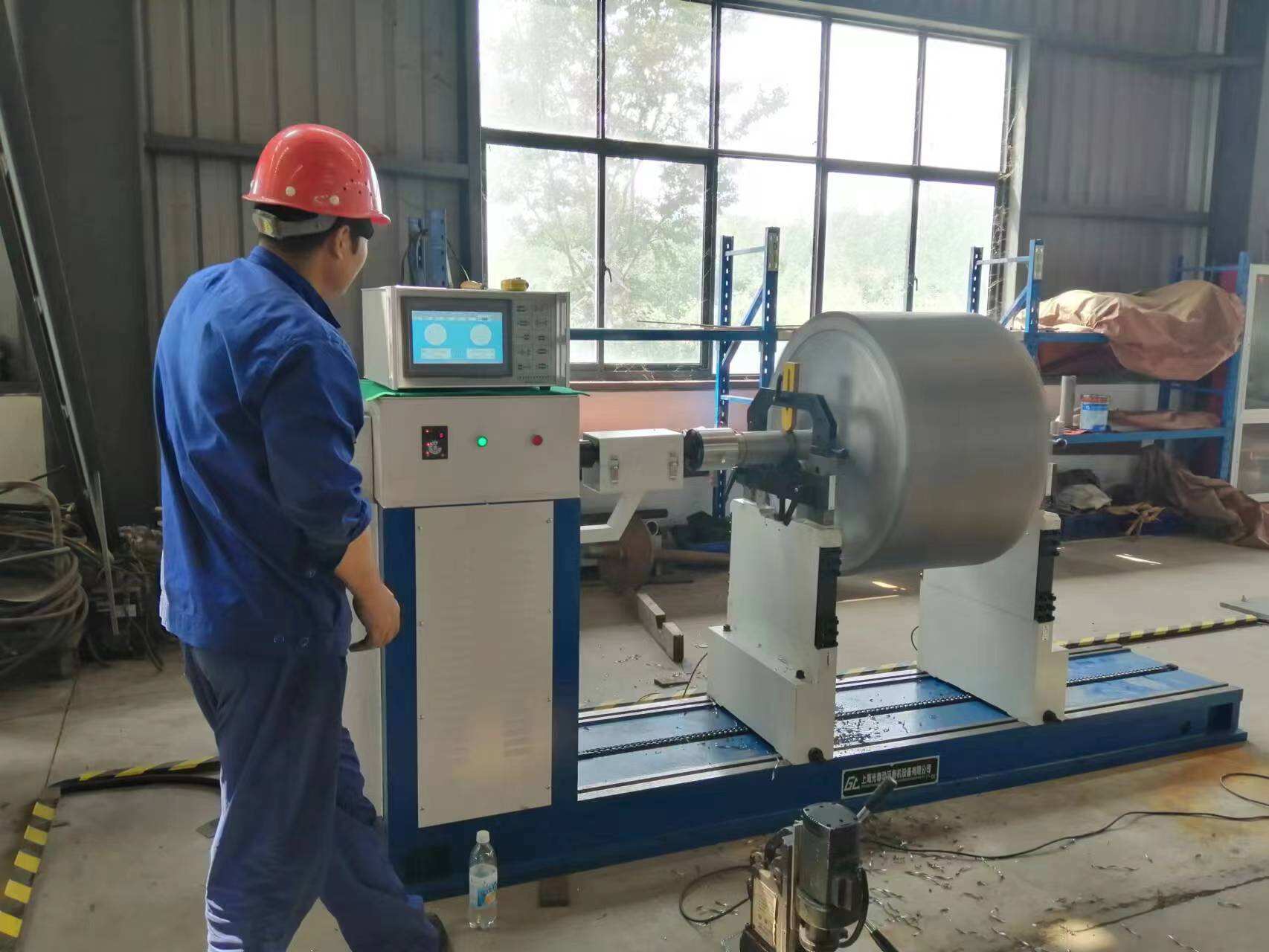
আপনার সাধারণ ব্যালান্সিং মেশিনের সর্বোচ্চ নির্ভুলতা বজায় রাখতে হলে একটি পদ্ধতিগত নিয়মিত রক্ষণাবেক্ষণ পদ্ধতির প্রয়োজন যা যান্ত্রিক এবং কার্যক্রম-সংশ্লিষ্ট উভয় দিককেই নিয়ন্ত্রণ করে। এই নির্ভুল যন্ত্রগুলি গতিশীল ব্যালান্সিং প্রয়োগে বিশ্বস্ত ফলাফল প্রদানের জন্য ধারাবাহিক যত্ন প্রয়োজন করে, যেখানে ক্ষুদ্রতম বিচ্যুতিও পরিমাপের গুণগত মানকে ক্ষুণ্ণ করতে পারে এবং ব্যয়বহুল উৎপাদন বিলম্ব বা সরঞ্জাম বিফলতার কারণ হতে পারে।
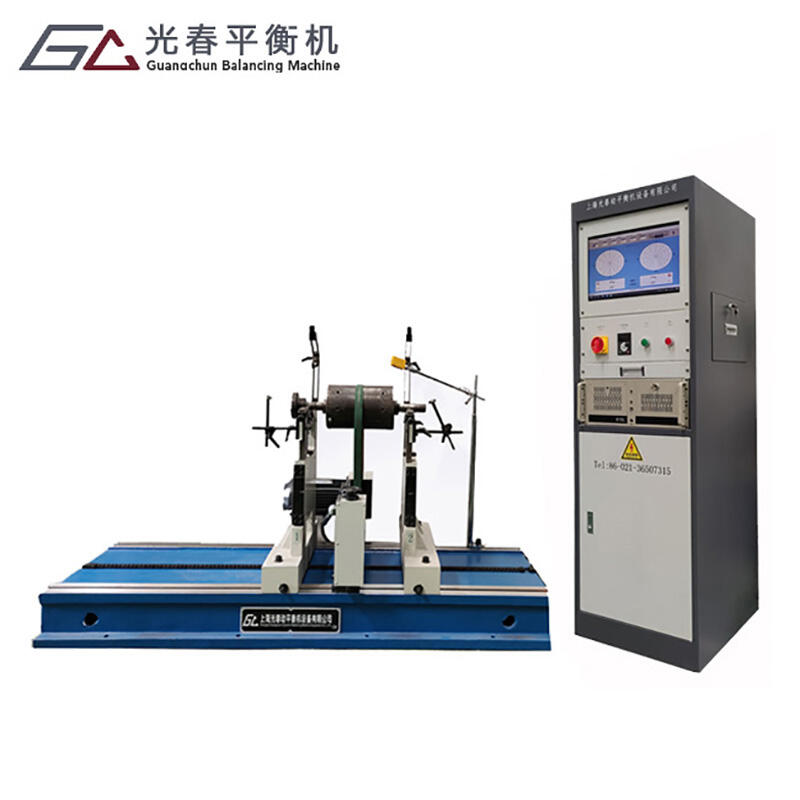
একটি সাধারণ ব্যালেন্সিং মেশিনের কার্যকারিতা ও নির্ভুলতা নির্ভর করে একাধিক পরস্পরসংযুক্ত সিস্টেমের সুসঙ্গত কাজের উপর—যেমন ড্রাইভ মেকানিজম, সেন্সর ক্যালিব্রেশন, পরিবেশগত নিয়ন্ত্রণ এবং সফটওয়্যার কনফিগারেশন। কোন রক্ষণাবেক্ষণ কাজগুলো সরাসরি নির্ভুলতাকে প্রভাবিত করে তা বোঝা হলে কাজগুলোর অগ্রাধিকার নির্ধারণ করা যায় এবং সম্পদ বরাদ্দ করা যায়; এছাড়া এটি এমন রক্ষণাবেক্ষণ পরিকল্পনা প্রতিষ্ঠা করতে সাহায্য করে যা উৎপাদনের গুণগত মানকে প্রভাবিত করার আগেই নির্ভুলতা হ্রাসের প্রতিরোধ করে।
নির্ভুলতা রক্ষার জন্য ভিত্তি ও গঠনগত রক্ষণাবেক্ষণ
মেশিনের ভিত্তি পরিদর্শন ও সামঞ্জস্যকরণ
আপনার সাধারণ ব্যালেন্সিং মেশিনের ভিত্তি সিস্টেমটি সমস্ত পরিমাপের জন্য সমালোচনামূলক রেফারেন্স বিন্দু হিসেবে কাজ করে, ফলে সময়ের সাথে সাথে নির্ভুলতা বজায় রাখতে এর স্থিতিশীলতা অত্যন্ত গুরুত্বপূর্ণ। মাউন্টিং বোল্ট, আইসোলেশন প্যাড এবং ভিত্তি আঁকড়ে রাখার ব্যবস্থার নিয়মিত পরিদর্শন নিশ্চিত করে যে বাহ্যিক কম্পনগুলো পরিমাপের ত্রুটি সৃষ্টি করবে না অথবা ধীরে ধীরে নির্ভুলতা হ্রাস ঘটাবে না।
ভিত্তি-সংক্রান্ত রক্ষণাবেক্ষণের মধ্যে কংক্রিটের অবসাদন, ঢিলে হওয়া অ্যাঙ্কর বোল্ট বা ক্ষয়প্রাপ্ত আইসোলেশন উপকরণ পরীক্ষা করা অন্তর্ভুক্ত থাকা উচিত, যা মেশিনের কম্পন বৈশিষ্ট্যগুলি পরিবর্তন করতে পারে। এমন কি সামান্য ভিত্তির সরণও বেসলাইন রেফারেন্সকে সরিয়ে দিতে পারে, যার ফলে সমস্ত পরিমাপের মধ্যে সঠিকতা বিচ্যুতি হিসাবে প্রতীয়মান হওয়া সিস্টেম্যাটিক ত্রুটি সৃষ্টি হয়।
তাপমাত্রার ওঠানামা, সন্নিকটস্থ মেশিনের কম্পন বা ভবনের অবসাদনের মতো পরিবেশগত উৎসগুলি সময়ের সাথে সাথে ভিত্তির স্থিতিশীলতাকে প্রভাবিত করতে পারে। প্রতি তিন মাস অন্তর ভিত্তি পরীক্ষার একটি নিয়মিত পদ্ধতি প্রতিষ্ঠা করা সাধারণ ব্যালান্সিং মেশিনের পরিমাপের নির্ভুলতা ক্ষতিগ্রস্ত হওয়ার আগেই এই সমস্যাগুলি শনাক্ত করতে সহায়তা করে।
গঠনমূলক ফ্রেম এবং সাপোর্ট সিস্টেমের যত্ন
মেশিন ফ্রেমের গঠনগত অখণ্ডতা সরাসরি পরিমাপের পুনরাবৃত্তিযোগ্যতা এবং নির্ভুলতাকে প্রভাবিত করে। বেড প্লেট, সাপোর্ট কলাম এবং ক্রস-ব্রেসিং উপাদানসহ ফ্রেমের উপাদানগুলির নিয়মিত পরিদর্শন নিশ্চিত করে যে যান্ত্রিক চাপ বা ক্ষয় কোনও নমনীয়তা বা অনুরণন সৃষ্টি করছে না যা গতিশীল পরিমাপগুলিকে প্রভাবিত করে।
ফ্রেম রক্ষণাবেক্ষণের মধ্যে ঢিলে সংযোগ, ক্ষয়প্রাপ্ত বুশিং বা ক্ষতিগ্রস্ত সাপোর্ট উপাদানগুলির পরীক্ষা অন্তর্ভুক্ত থাকে যা অপারেশনের সময় অবাঞ্ছিত গতি সৃষ্টি করতে পারে। এই গঠনগত সমস্যাগুলি প্রায়শই পরিমাপের বিক্ষেপণ বৃদ্ধি বা একাধিক পরীক্ষা চালানোর সময় সুস্থির ফলাফল অর্জনে কঠিনতা হিসাবে প্রকাশিত হয়।
উপযুক্ত ফ্রেম রক্ষণাবেক্ষণের মধ্যে আর্দ্র পরিবেশে বিশেষভাবে ক্ষয় নিরীক্ষণ এবং সমস্ত গঠনগত জয়েন্ট তাদের নকশা অনুযায়ী কঠোরতা বজায় রাখছে কিনা তা নিশ্চিত করা অন্তর্ভুক্ত থাকে। ভালভাবে রক্ষণাবেক্ষিত ফ্রেম সঠিক গতিশীল ব্যালান্সিং পরিমাপের জন্য প্রয়োজনীয় স্থিতিশীল প্ল্যাটফর্ম প্রদান করে।
সুস্থির অপারেশনের জন্য ড্রাইভ সিস্টেম রক্ষণাবেক্ষণ
বেল্ট ড্রাইভ সিস্টেমের যত্ন ও সামঞ্জস্য
একটি সাধারণ ব্যালান্সিং মেশিনের ড্রাইভ সিস্টেমের প্রতি সতর্ক দৃষ্টি রাখা আবশ্যিক, যাতে সঠিক পরিমাপের জন্য প্রয়োজনীয় মসৃণ ও সুস্থির ঘূর্ণন বজায় থাকে। বেল্ট-চালিত সিস্টেমগুলিতে কম্পনের উৎস এড়ানোর জন্য বেল্টের অবস্থা, টান সেটিং এবং পুলির সমান্তরালতা নিয়মিত পরীক্ষা করা আবশ্যিক, কারণ এই কম্পনগুলি অসাম্য সংকেতগুলিকে আচ্ছাদিত করতে পারে বা তাদের সাথে হস্তক্ষেপ করতে পারে।
বেল্ট রক্ষণাবেক্ষণের মধ্যে নির্মাতার নির্দেশিকা অনুযায়ী উপযুক্ত টান পরীক্ষা করা অন্তর্ভুক্ত রয়েছে, কারণ অতি-টানযুক্ত এবং অল্প-টানযুক্ত উভয় ধরনের বেল্টই পরিমাপের ত্রুটি সৃষ্টি করতে পারে। ক্ষয়যুক্ত বা ক্ষতিগ্রস্ত বেল্টগুলি অনিয়মিত গতি সৃষ্টি করে যা পটভূমি কম্পন হিসাবে প্রদর্শিত হয়, ফলে সংকেত-টু-শব্দ অনুপাত হ্রাস পায় এবং পরিমাপের সংবেদনশীলতা কমে যায়।
পুলি সাইডিং যাচাইকরণ নিশ্চিত করে যে বেল্ট বলগুলি সমতুল্য থাকে এবং বেয়ারিং সিস্টেমের উপর পার্শ্ব লোড আরোপ করে না। অসঠিকভাবে সাইড করা পুলিগুলি অতিরিক্ত কম্পনের উৎস তৈরি করে যা অসাম্য সনাক্তকরণকে বাধাগ্রস্ত করতে পারে, বিশেষ করে নিম্ন সংবেদনশীলতা সেটিংয়ের ক্ষেত্রে যখন ছোট অসাম্যগুলি ড্রাইভ-সম্পর্কিত কম্পন থেকে পৃথক করা কঠিন হয়ে ওঠে।
মোটর এবং গতি নিয়ন্ত্রণ রক্ষণাবেক্ষণ
সাধারণ ব্যালান্সিং মেশিনে পরিবর্তনশীল ফ্রিক uency ড্রাইভ এবং মোটর সিস্টেমগুলির নিয়মিত রক্ষণাবেক্ষণ প্রয়োজন যাতে স্থিতিশীল গতি নিয়ন্ত্রণ নিশ্চিত করা যায় এবং সেন্সরের নির্ভুলতাকে প্রভাবিত করতে পারে এমন বৈদ্যুতিক শব্দ কমানো যায়। মোটর বেয়ারিংয়ের অবস্থা, বৈদ্যুতিক সংযোগ এবং গতি নিয়ন্ত্রকের ক্যালিব্রেশন—সবগুলোই পরিমাপের গুণগত মান এবং সামঞ্জস্যতা প্রভাবিত করে।
গতি নিয়ন্ত্রণ রক্ষণাবেক্ষণের মধ্যে নির্দিষ্ট সহনশীলতার মধ্যে নির্দেশিত গতি এবং প্রকৃত ঘূর্ণন বেগের মধ্যে মিল আছে কিনা তা যাচাই করা অন্তর্ভুক্ত। পরিমাপের চক্রগুলিতে গতির পরিবর্তন ফেজ কোণ গণনায় ত্রুটি সৃষ্টি করতে পারে, যা সংশোধনী ওজন স্থাপনের সুপারিশের নির্ভুলতাকে প্রভাবিত করে।
বৈদ্যুতিক সিস্টেম রক্ষণাবেক্ষণের মধ্যে ঢিলে সংযোগগুলির পরীক্ষা, উপযুক্ত গ্রাউন্ডিং এবং সংবেদনশীল পরিমাপ সার্কিটগুলিকে মোটর-উৎপাদিত বৈদ্যুতিক শব্দ থেকে রক্ষা করার জন্য ব্যবহৃত হস্তক্ষেপ প্রতিরোধক শিল্ডিং অন্তর্ভুক্ত। নির্ভুল ভারসাম্য প্রয়োগগুলির জন্য প্রয়োজনীয় উচ্চ রেজোলিউশন বজায় রাখতে পরিষ্কার বৈদ্যুতিক শক্তি এবং উপযুক্ত গ্রাউন্ডিং অপরিহার্য।
কম্পন সেন্সর সিস্টেমের ক্যালিব্রেশন এবং রক্ষণাবেক্ষণ
কম্পন সেন্সরের যত্ন এবং ক্যালিব্রেশন
আপনার সাধারণ ব্যালান্সিং মেশিনের কম্পন সেন্সরগুলি হল প্রধান নির্ভুলতা-নির্ধারক উপাদান, যার নির্ভরযোগ্য পরিমাপ নিশ্চিত করার জন্য নিয়মিত ক্যালিব্রেশন এবং রক্ষণাবেক্ষণের প্রয়োজন। সেন্সর মাউন্টিংয়ের অখণ্ডতা, কেবলের অবস্থা এবং ক্যালিব্রেশনের স্থিতিশীলতা সরাসরি মেশিনের অসাম্য অবস্থাগুলি সঠিকভাবে সনাক্ত করে এবং পরিমাপ করার ক্ষমতাকে প্রভাবিত করে।
সেন্সর রক্ষণাবেক্ষণ শুরু হয় মাউন্টিং হার্ডওয়্যারের শারীরিক পরীক্ষা দিয়ে, যাতে নিশ্চিত করা যায় যে সেন্সর আটকানোর অংশগুলি কঠিন এবং সঠিকভাবে টর্ক করা আছে। ঢিলে সেন্সর মাউন্টগুলি সেন্সর এবং মেশিন কাঠামোর মধ্যে আপেক্ষিক গতি অনুমতি দিয়ে পরিমাপের ত্রুটি সৃষ্টি করে, যা ফেজ শিফট এবং অ্যামপ্লিটিউড ত্রুটি তৈরি করে যা নির্ভুলতাকে ক্ষতিগ্রস্ত করে।
কেবল পরীক্ষায় কানেক্টরের অখণ্ডতা, কেবল রাউটিং এবং শিল্ডিংয়ের কার্যকারিতা উপর গুরুত্ব দেওয়া হয় যাতে সংকেতের গুণগত অবনতি বা ব্যাঘাত ধরা পড়া প্রতিরোধ করা যায়। ক্ষতিগ্রস্ত কেবলগুলি শব্দ, সংকেত ক্ষয় বা আংশিক সংযোগের সৃষ্টি করতে পারে যা পরিমাপের অসঙ্গতি বা আপাত নির্ভুলতা সমস্যা হিসাবে প্রকাশিত হয়।
ফেজ রেফারেন্স সিস্টেম রক্ষণাবেক্ষণ
ফেজ রেফারেন্স সিস্টেমটি অসাম্য কোণীয় অবস্থান নির্ধারণের জন্য প্রয়োজনীয় সময় তথ্য প্রদান করে, ফলে এর নির্ভুলতা কার্যকর সংশোধনের জন্য অত্যন্ত গুরুত্বপূর্ণ। ফটোইলেকট্রিক সেন্সর, চৌম্বকীয় পিকআপ বা এনকোডার সিস্টেমগুলির নিয়মিত পরিষ্কার করা এবং সঠিক সাইন আলাইনমেন্ট যাচাই করা আবশ্যিক যাতে ফেজ পরিমাপের নির্ভুলতা বজায় থাকে।
ফেজ রেফারেন্স রক্ষণাবেক্ষণের মধ্যে অপটিক্যাল পৃষ্ঠগুলির পরিষ্কার করা, ট্রিগার পয়েন্টের সামঞ্জস্য পরীক্ষা করা এবং বিভিন্ন কার্যকরী গতিতে রেফারেন্স সিগন্যালগুলি স্থির থাকে কিনা তা যাচাই করা অন্তর্ভুক্ত। অসামঞ্জস্যপূর্ণ ফেজ রেফারেন্স সংশোধনী ওজনগুলির ভুল কোণীয় অবস্থান নির্ধারণ করে, যা সংশোধনের কার্যকারিতা হ্রাস করে—এমনকি যখন বিস্তার পরিমাপগুলি নির্ভুল থাকে।
ফেজ রেফারেন্স সিস্টেমগুলির নিয়মিত ক্যালিব্রেশন নিশ্চিত করে যে কোণীয় পরিমাপগুলি সময়ের সাথে সাথে তাদের নির্ভুলতা বজায় রাখে, যা সংকীর্ণ কোণীয় সহনশীলতার মধ্যে সঠিক সংশোধনী ওজন স্থাপনের প্রয়োজনীয় অ্যাপ্লিকেশনগুলির জন্য বিশেষভাবে গুরুত্বপূর্ণ।
সফটওয়্যার এবং ক্যালিব্রেশন রক্ষণাবেক্ষণ
ক্যালিব্রেশন যাচাইকরণ ও আপডেট
সফটওয়্যার ক্যালিব্রেশন একটি সাধারণ ব্যালেন্সিং মেশিন পরিমাপ অ্যালগরিদমগুলি ক্রমাগত সঠিক ফলাফল উৎপন্ন করছে কিনা তা নিশ্চিত করার জন্য প্রমাণিত পরীক্ষামূলক ওজন ব্যবহার করে নিয়মিত যাচাইকরণ প্রয়োজন। সেন্সরের বয়সবৃদ্ধি, পরিবেশগত পরিবর্তন বা ইলেকট্রনিক উপাদানের ভিন্নতা কারণে ক্যালিব্রেশন ড্রিফট ঘটতে পারে, যার ফলে সঠিকতা বজায় রাখতে পর্যায়ক্রমিক যাচাইকরণ অপরিহার্য হয়ে ওঠে।
ক্যালিব্রেশন রক্ষণাবেক্ষণের মধ্যে পরিচিত অসাম্য ওজন সহ মানকৃত পরীক্ষা পদ্ধতি চালানো অন্তর্ভুক্ত থাকে, যাতে মেশিনটি সঠিকভাবে পরিমাণ এবং কোণিক অবস্থান—উভয়ই চিহ্নিত করছে কিনা তা যাচাই করা যায়। এই যাচাইকরণ চালানোগুলি দীর্ঘমেয়াদী স্থিতিশীলতা ট্র্যাক করা এবং সম্ভাব্য সমস্যার প্রারম্ভিক লক্ষণগুলি চিহ্নিত করার জন্য নথিভুক্ত করা উচিত।
সফটওয়্যার আপডেট এবং কনফিগারেশন ব্যবস্থাপনা নিশ্চিত করে যে পরিমাপ অ্যালগরিদমগুলি নির্দিষ্ট অ্যাপ্লিকেশনগুলির জন্য সর্বশেষ এবং সঠিকভাবে কনফিগার করা থাকে। কাজ করার জন্য প্রস্তুত কনফিগারেশনের ব্যাকআপ কপি পরিমাপের নির্ভুলতা ক্ষুণ্ণ করতে পারে এমন বা সময়সাপেক্ষ পুনরায় ক্যালিব্রেশন প্রয়োজন হতে পারে এমন আকস্মিক পরিবর্তন থেকে রক্ষা করে।
ডেটা ব্যবস্থাপনা এবং ব্যাকআপ পদ্ধতি
সঠিক পরিমাপ ডেটা বজায় রাখতে হলে ডেটা হারানো বা ক্যালিব্রেশন তথ্য ও ঐতিহাসিক পরিমাপ রেকর্ডের ইতিহাস হারানো প্রতিরোধ করতে পদ্ধতিগত ব্যাকআপ পদ্ধতি এবং ডেটা অখণ্ডতা যাচাইকরণ প্রয়োজন। নিয়মিত ডাটাবেস রক্ষণাবেক্ষণ এবং ব্যাকআপ যাচাইকরণ নিশ্চিত করে যে গুরুত্বপূর্ণ ক্যালিব্রেশন ডেটা সহজলভ্য এবং নির্ভুল থাকে।
ডেটা ব্যবস্থাপনা পদ্ধতিতে সংরক্ষিত ক্যালিব্রেশন গুণাঙ্ক, পরিমাপ প্যারামিটার এবং নির্ভুলতা প্রভাবিত করে এমন কনফিগারেশন সেটিংসের নিয়মিত যাচাইকরণ অন্তর্ভুক্ত থাকা উচিত। ক্ষতিগ্রস্ত ডেটা ফাইলগুলি পরিমাপ ত্রুটির কারণ হতে পারে যা তৎক্ষণাৎ স্পষ্ট নাও হতে পারে, কিন্তু দীর্ঘমেয়াদী নির্ভুলতা প্রবণতা ক্ষুণ্ণ করতে পারে।
ব্যাকআপ সিস্টেমগুলি নিয়মিতভাবে পরীক্ষা করা উচিত যাতে সিস্টেম ব্যর্থতার ক্ষেত্রে দ্রুত পুনরুদ্ধার ক্ষমতা নিশ্চিত করা যায়। হারানো ক্যালিব্রেশন ডেটা পুনরায় ক্যালিব্রেট করার জন্য ব্যাপক প্রক্রিয়ার প্রয়োজন হতে পারে, যা উৎপাদনকে বাধাগ্রস্ত করে এবং বছরের পর বছর ধরে অর্জিত নির্ভুলতা উন্নয়নগুলি সম্পূর্ণরূপে পুনরুদ্ধার করতে পারে না।
পরিবেশগত নিয়ন্ত্রণ ও পরিষ্কার-পরিচ্ছন্নতা
উষ্ণতা ও আর্দ্রতা নিয়ন্ত্রণ
পরিবেশগত অবস্থা সাধারণ ব্যালান্সিং মেশিনের নির্ভুলতা পারফরম্যান্সকে উল্লেখযোগ্যভাবে প্রভাবিত করে, বিশেষ করে তাপমাত্রার পরিবর্তনগুলি যা সেন্সরের বৈশিষ্ট্য, গঠনমূলক মাত্রা এবং ইলেকট্রনিক উপাদানগুলির আচরণকে প্রভাবিত করতে পারে। স্থিতিশীল পরিবেশগত অবস্থা বজায় রাখা পরিমাপের সামঞ্জস্য রক্ষা করতে এবং পুনরায় ক্যালিব্রেশনের প্রয়োজনীয়তা কমাতে সহায়তা করে।
তাপমাত্রা নিয়ন্ত্রণ রক্ষণাবেক্ষণের মধ্যে পরিবেশগত অবস্থা পর্যবেক্ষণ, এইচভিএসি (HVAC) সিস্টেমের কার্যকারিতা পরীক্ষা এবং মেশিনের সমগ্র অংশে তাপীয় গ্রেডিয়েন্ট গুলি গ্রহণযোগ্য সীমার মধ্যে রাখা নিশ্চিত করা অন্তর্ভুক্ত। দ্রুত তাপমাত্রা পরিবর্তন কাঠামোগত উপাদানগুলিতে তাপীয় চাপ সৃষ্টি করতে পারে এবং সেন্সর ক্যালিব্রেশন ফ্যাক্টরগুলিকে পরিবর্তন করতে পারে।
আর্দ্রতা নিয়ন্ত্রণ সংবেদনশীল উপাদানগুলিতে ঘনীভবন রোধ করে এবং বৈদ্যুতিক সংযোগে ক্ষয়ের সম্ভাবনা কমায়। উচ্চ আর্দ্রতা বৈদ্যুতিক সিস্টেমের ইনসুলেশন রেজিস্ট্যান্সকেও প্রভাবিত করতে পারে, যার ফলে নয়েজ বা সিগন্যালের অবনতি ঘটতে পারে যা পরিমাপের নির্ভুলতাকে ব্যাহত করে।
পরিষ্কার-পরিচ্ছন্নতা এবং দূষণ প্রতিরোধ
আপনার সাধারণ ব্যালান্সিং মেশিনের চারপাশে পরিষ্কার-পরিচ্ছন্নতা বজায় রাখা পরিমাপের নির্ভুলতা প্রভাবিত করতে পারে এমন দূষণ প্রতিরোধ করে এবং সংবেদনশীল উপাদানগুলিকে ক্ষতিগ্রস্ত করতে পারে। নিয়মিত পরিষ্কারকরণ পদ্ধতিগুলি জমা হওয়া ধূলিকণা, তেলের অবশিষ্টাংশ বা অন্যান্য দূষণকারী পদার্থগুলি অপসারণ করে যা মেশিনের গতিবিদ্যা পরিবর্তন করতে পারে বা সেন্সর কার্যকারিতায় বাধা দিতে পারে।
পরিষ্কারকরণ রক্ষণাবেক্ষণের মূল ফোকাস হল সেন্সরের পৃষ্ঠ, ড্রাইভ উপাদানগুলি এবং যেসব কাজের পৃষ্ঠে পরীক্ষার অংশগুলি মাউন্ট করা হয়। দূষিত পৃষ্ঠগুলি অতিরিক্ত কম্পনের উৎস তৈরি করতে পারে অথবা পরীক্ষার অংশ ও মেশিনের ফিক্সচারের মধ্যে কাপলিং-কে প্রভাবিত করতে পারে, যার ফলে পরিমাপের ত্রুটি বা পুনরাবৃত্তিযোগ্যতা হ্রাস পেতে পারে।
বায়ু ফিল্ট্রেশন সিস্টেমগুলির জন্য সংবেদনশীল উপাদানগুলির চারপাশে পরিষ্কার বায়ু সঞ্চালন বজায় রাখতে নিয়মিত ফিল্টার প্রতিস্থাপন এবং ইনটেক পরিষ্কার করা আবশ্যক। বায়ুবাহিত দূষণকারী ধীরে ধীরে অপটিক্যাল উপাদান, বৈদ্যুতিক যোগাযোগ বিন্দু বা নির্ভুল পৃষ্ঠে জমা হতে পারে, যার ফলে সময়ের সাথে সাথে কার্যকারিতা ধীরে ধীরে হ্রাস পায়।
প্রায়শই জিজ্ঞাসিত প্রশ্নাবলী
আমার সাধারণ ব্যালান্সিং মেশিনে কত ঘন ঘন ক্যালিব্রেশন যাচাইকরণ করা উচিত?
ক্যালিব্রেশন যাচাইয়ের ফ্রিকোয়েন্সি ব্যবহারের তীব্রতা এবং নির্ভুলতার প্রয়োজনীয়তার উপর নির্ভর করে, কিন্তু অধিকাংশ শিল্প প্রয়োগের জন্য প্রতি মাসে প্রমাণিত পরীক্ষামূলক ওজন ব্যবহার করে যাচাই করা একটি ভালো প্রাথমিক ভিত্তি গঠন করে। উচ্চ-নির্ভুলতা প্রয়োগ বা ভারী ব্যবহারের পরিবেশে সপ্তাহিক যাচাইয়ের প্রয়োজন হতে পারে, অন্যদিকে কম ব্যবহৃত মেশিনগুলির ক্ষেত্রে যাচাইয়ের সময়সীমা ত্রৈমাসিক পর্যন্ত বাড়ানো যেতে পারে। মূল কথা হলো একটি সুসংগত সময়সূচি প্রতিষ্ঠা করা এবং ফলাফলগুলি নথিভুক্ত করা, যাতে সময়ের সাথে নির্ভুলতার প্রবণতা ট্র্যাক করা যায়।
পরিমাপের নির্ভুলতা বজায় রাখার জন্য সবচেয়ে গুরুত্বপূর্ণ রক্ষণাবেক্ষণ কাজগুলি কী কী?
সেন্সর ক্যালিব্রেশন যাচাইয়ের এবং ড্রাইভ সিস্টেমের রক্ষণাবেক্ষণ সাধারণত নির্ভুলতা বজায় রাখার উপর সবচেয়ে বেশি প্রভাব ফেলে। কোনো রক্ষণাবেক্ষণ সময়সূচিতে কম্পন সেন্সরের মাউন্টিং অখণ্ডতা, বেল্ট টেনশন সামঞ্জস্য এবং ফাউন্ডেশনের স্থিতিশীলতা পরীক্ষা—এই তিনটি বিষয়কে অগ্রাধিকার দেওয়া উচিত। এই উপাদানগুলি মেশিনের অসাম্য অবস্থা সঠিকভাবে সনাক্ত করে ও পরিমাপ করার ক্ষমতাকে সরাসরি প্রভাবিত করে, ফলে শীর্ষ কার্যকারিতা বজায় রাখার জন্য এগুলি অপরিহার্য।
পরিবেশগত অবস্থা কি আমার সাধারণ ব্যালান্সিং মেশিনের নির্ভুলতাকে উল্লেখযোগ্যভাবে প্রভাবিত করতে পারে?
হ্যাঁ, তাপমাত্রা পরিবর্তন, আর্দ্রতা পরিবর্তন এবং বহিঃস্থ কম্পন প্রিসিশন ব্যালান্সিং অ্যাপ্লিকেশনগুলিতে পরিমাপের নির্ভুলতাকে উল্লেখযোগ্যভাবে প্রভাবিত করতে পারে। তাপমাত্রা পরিবর্তনগুলি সেন্সরের বৈশিষ্ট্য এবং গঠনমূলক মাত্রাগুলিকে প্রভাবিত করে, যেখানে আর্দ্রতা বৈদ্যুতিক সিস্টেমের কার্যকারিতাকে প্রভাবিত করতে পারে। স্থিতিশীল পরিবেশগত অবস্থা বজায় রাখা এবং উপযুক্ত বিচ্ছিন্নতা ব্যবস্থা বাস্তবায়ন করা নির্ভুলতা বজায় রাখতে এবং সময়ের সাথে ক্যালিব্রেশন ড্রিফট হ্রাস করতে সাহায্য করে।
আমি কীভাবে জানব যে আমার রক্ষণাবেক্ষণ পরিকল্পনা শীর্ষ নির্ভুলতা বজায় রাখার জন্য যথেষ্ট?
রক্ষণাবেক্ষণের কার্যকারিতা মূল্যায়নের জন্য সময়ের সাথে সাথে ট্র্যাক পরিমাপের পুনরাবৃত্তিযোগ্যতা এবং ক্যালিব্রেশন যাচাইকরণের ফলাফল পর্যবেক্ষণ করুন। পুনরাবৃত্তি পরিমাপগুলিতে বৃদ্ধি পাওয়া বিক্ষেপ, ক্যালিব্রেশন ড্রিফটের প্রবণতা বা লক্ষ্য নির্ভুলতা অর্জনে কষ্ট হওয়া—এই সমস্ত নির্দেশ করে যে রক্ষণাবেক্ষণের পরিধি বাড়ানো উচিত। সুসংগত ক্যালিব্রেশন যাচাইকরণের ফলাফল এবং স্থিতিশীল পরিমাপ পুনরাবৃত্তিযোগ্যতা নির্দেশ করে যে বর্তমান রক্ষণাবেক্ষণ সময়সূচী আপনার অ্যাপ্লিকেশনের প্রয়োজনীয়তা পূরণের জন্য যথেষ্ট।
বিষয়সূচি
- নির্ভুলতা রক্ষার জন্য ভিত্তি ও গঠনগত রক্ষণাবেক্ষণ
- সুস্থির অপারেশনের জন্য ড্রাইভ সিস্টেম রক্ষণাবেক্ষণ
- কম্পন সেন্সর সিস্টেমের ক্যালিব্রেশন এবং রক্ষণাবেক্ষণ
- সফটওয়্যার এবং ক্যালিব্রেশন রক্ষণাবেক্ষণ
- পরিবেশগত নিয়ন্ত্রণ ও পরিষ্কার-পরিচ্ছন্নতা
-
প্রায়শই জিজ্ঞাসিত প্রশ্নাবলী
- আমার সাধারণ ব্যালান্সিং মেশিনে কত ঘন ঘন ক্যালিব্রেশন যাচাইকরণ করা উচিত?
- পরিমাপের নির্ভুলতা বজায় রাখার জন্য সবচেয়ে গুরুত্বপূর্ণ রক্ষণাবেক্ষণ কাজগুলি কী কী?
- পরিবেশগত অবস্থা কি আমার সাধারণ ব্যালান্সিং মেশিনের নির্ভুলতাকে উল্লেখযোগ্যভাবে প্রভাবিত করতে পারে?
- আমি কীভাবে জানব যে আমার রক্ষণাবেক্ষণ পরিকল্পনা শীর্ষ নির্ভুলতা বজায় রাখার জন্য যথেষ্ট?

