 EN
EN



Niestabilne odczyty na precyzyjnej maszynie do balansowania wirników mogą znacząco zakłócić proces produkcyjny, prowadząc do odrzucenia części, wydłużenia cykli produkcyjnych oraz wzrostu kosztów operacyjnych. Gdy na precyzyjnej maszynie do balansowania wirników pojawiają się niestabilne lub niepowtarzalne pomiary, oznacza to istnienie ukrytych problemów wymagających natychmiastowej interwencji w celu przywrócenia dokładności pomiarów i zachowania standardów jakości produkcji.
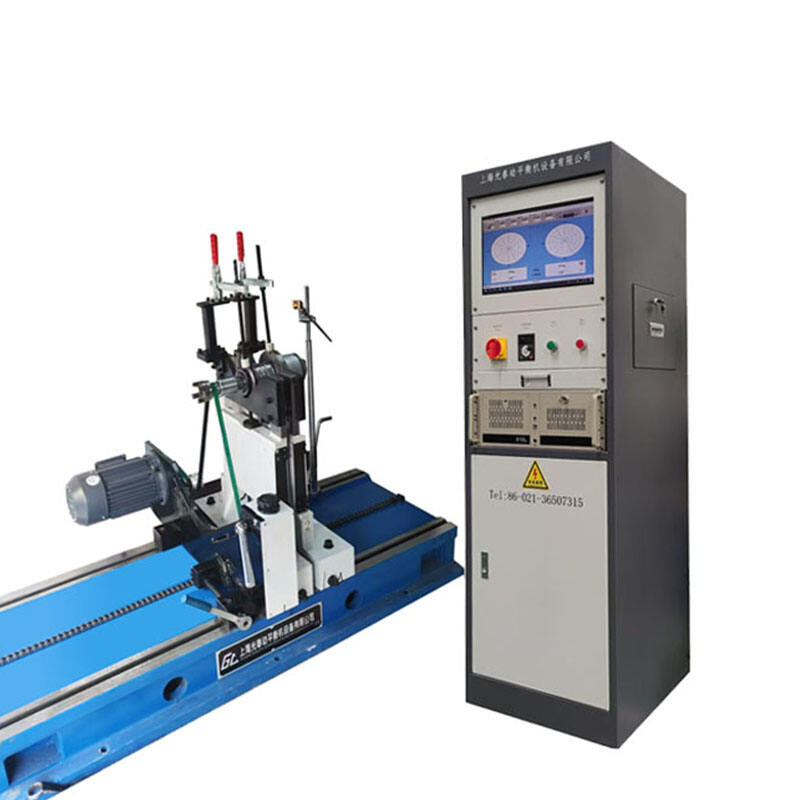
Rozwiązywanie problemów związanych z niestabilnymi odczytami wymaga systematycznego podejścia, obejmującego analizę czynników mechanicznych, elektrycznych oraz środowiskowych wpływających na wydajność maszyny do precyzyjnego wyważania wirników. Zrozumienie przyczyn podstawowych zmienności pomiarów oraz wdrożenie odpowiednich procedur diagnostycznych umożliwia operatorom szybkie wykrywanie usterek i przywrócenie niezawodnej pracy urządzenia, co zapewnia stałą jakość produkcji oraz minimalizuje koszty przestoju.
Czynniki środowiskowe wpływające na spójność pomiarów
Wymagania dotyczące stabilności temperatury
Fluktuacje temperatury stanowią jedną z najczęstszych przyczyn niestabilnych odczytów na maszynie do precyzyjnego wyważania wirników. Nawet niewielkie zmiany temperatury mogą powodować rozszerzanie lub kurczenie się krytycznych elementów konstrukcyjnych, co wpływa na kalibrację czujników oraz dokładność pomiarów. Ramy maszyny, zespołu wrzeciona oraz punktów montażu czujników ulegają zmianom wymiarowym wraz z wahaniem temperatury.
Ustalenie odpowiedniej kontroli temperatury wokół maszyny do wyważania wirników o wysokiej precyzji wymaga utrzymania temperatury otoczenia w zakresach określonych przez producenta, zazwyczaj ±2°C względem temperatury kalibracji. Zainstalowanie systemów monitoringu temperatury oraz zapewnienie wystarczającego czasu nagrzewania się urządzenia przed pomiarami przyczynia się do zapewnienia stabilności termicznej w całym procesie wyważania.
Dodatkowo unikanie bezpośredniego działania promieni słonecznych, przeciągów z klimatyzacji oraz źródeł ciepła w pobliżu maszyny zapobiega powstawaniu lokalnych gradientów temperatury, które mogą wprowadzać błędy pomiarowe. W środowiskach o znacznych wahaniach temperatury mogą być konieczne osłony termiczne lub obudowy, aby zapewnić stałe warunki pracy.
Izolacja wibracji i problemy z fundamentem
Wibracje zewnętrzne przekazywane przez konstrukcje budynków, pobliskie maszyny lub urządzenia montowane na podłodze mogą powodować niestabilność pomiarów w precyzyjnej maszynie do wyważania wirników. Te wibracje pasożytnicze zakłócają zdolność maszyny do dokładnego wykrywania sygnałów niezrównoważenia wirnika, co prowadzi do niespójnych lub zakłóconych odczytów.
Poprawna izolacja wibracyjna wymaga oceny stanu fundamentu, sprawdzenia stanu podkładów izolacyjnych oraz zidentyfikowania źródeł zewnętrznych wibracji. Precyzyjną maszynę do wyważania wirników należy zamontować na osobnym fundamencie odizolowanym od wibracji budynku, z zastosowaniem odpowiednich materiałów tłumiących minimalizujących przenoszenie zakłóceń zewnętrznych.
Regularna kontrola systemów izolacji obejmuje sprawdzanie zużytych lub ściskanych podkładów izolacyjnych, luźnych śrub fundamentowych oraz uszkodzeń konstrukcyjnych, które mogą zagrozić skuteczności izolacji wibracji. Badania sejsmiczne z wykorzystaniem akcelerometrów pomagają zidentyfikować problematyczne częstotliwości wibracji i kierować ulepszeniami systemu izolacji.
Diagnostyka Systemu Mechanicznego
Ocena stanu łożysk wrzeciona
Zużyte lub uszkodzone łożyska wrzeciona w precyzyjnej wyważarce wirników powodują błędy bicia i rozbieżności pomiarowe, które bezpośrednio wpływają na dokładność wyważania. Degradacja łożysk objawia się zwiększonym poziomem drgań, wzrostem temperatury i nieregularnymi wzorcami obrotów, które zaburzają pomiary niewyważenia.
Procedury diagnostyczne oceny łożysk wrzeciona obejmują pomiar bicia promieniowego i osiowego za pomocą wskaźników czujnikowych, monitorowanie temperatury łożysk podczas pracy oraz analizę sygnatur wibracyjnych pod kątem częstotliwości związanych z łożyskami. Poprawnie działające precyzyjna maszyna do balansowania wirników wymaga walcowania wrzeciona w ramach określonych dopuszczalnych odchyłek, zazwyczaj mniejszych niż 1 mikrometr w zastosowaniach precyzyjnych.
Harmonogram wymiany łożysk powinien opierać się na danych monitoringu stanu, a nie na ustalonych odstępach czasowych. Śledzenie parametrów wydajności łożysk w czasie umożliwia stosowanie strategii konserwacji predykcyjnej, zapobiegającej nieoczekiwanym awariom oraz zapewniającej spójność pomiarów przez cały okres eksploatacji łożysk.
Ocena stabilności układu napędowego
Zmienne układy napędowe i sterowniki silników mogą wprowadzać zakłócenia elektryczne oraz wahania momentu obrotowego, które wpływają na stabilność pomiarów na precyzyjnej maszynie do balansowania wirników. Zakłócenia związane z napędem często przejawiają się jako okresowe zmiany pomiarowe zsynchronizowane z częstotliwością obrotową silnika lub częstotliwością przełączania.
Ocenę wydajności układu napędowego przeprowadza się poprzez sprawdzanie przebiegów prądu silnika, analizę stabilności prędkości podczas pomiarów oraz weryfikację prawidłowego uziemienia i ekranowania kabli zasilających. Zakłócenia elektryczne pochodzące od przemienników częstotliwości mogą być sprzężone z obwodami czujników, generując pozorne sygnały niestarowości, które prowadzą do niespójnych odczytów.
Zastosowanie odpowiedniego prowadzenia kabli, użycie ekranowanych kabli zasilających oraz montaż filtrów sieciowych pomaga zminimalizować zakłócenia elektryczne. Układy sprzężenia zwrotnego prędkości powinny być regularnie kalibrowane, aby zapewnić dokładną kontrolę prędkości obrotowej podczas operacji balansowania.
Kalibracja czujników i przetwarzanie sygnałów
Montaż i kalibracja akcelerometrów
Czujniki akcelerometryczne w precyzyjnej maszynie do balansowania wirników wymagają bezpiecznego zamocowania oraz właściwej kalibracji, aby zapewniać spójne pomiary. Luźne zamocowanie czujników, zanieczyszczone powierzchnie montażowe lub uszkodzone kable czujników powodują zmienność sygnałów, która objawia się jako niespójności pomiarowe.
Weryfikacja kalibracji czujnika powinna być przeprowadzana przy użyciu znanych mas odniesienia w określonych pozycjach kątowych na wirujących elementach testowych. Proces ten potwierdza zarówno czułość czujnika, jak i dokładność fazy, zapewniając, że wysokoprecyzyjna maszyna do balansowania wirników może poprawnie wykrywać i lokalizować niestaranności.
Regularne czyszczenie powierzchni montażowych czujników, sprawdzanie połączeń kablowych oraz weryfikacja wymaganych momentów dokręcania mocowań pomaga utrzymać wydajność czujników. Uszkodzone czujniki należy natychmiast wymienić, aby zapobiec błędom pomiarowym i zachować integralność kalibracji.
Parametry filtrowania i przetwarzania sygnału
Ustawienia cyfrowego przetwarzania sygnału w wysokoprecyzyjnej maszynie do balansowania wirników mają istotny wpływ na spójność i dokładność pomiarów. Nieodpowiednie ustawienia filtrów, niewystarczająca częstotliwość próbkowania lub błędne algorytmy przetwarzania sygnału mogą powodować wahania pomiarowe lub maskować rzeczywiste warunki niestaranności.
Optymalizacja przetwarzania sygnału polega na dostosowaniu częstotliwości granicznych filtrów dolnoprzepustowych w celu eliminacji szumów wysokoczęstotliwościowych przy jednoczesnym zachowaniu treści sygnału wynikającego z niestarodliwości. Filtry antyaliasingowe zapobiegają zjawisku zwijania się częstotliwości, które może prowadzić do fałszywych wskazań niestarodliwości, podczas gdy odpowiednie funkcje okienkowania minimalizują wyciek widmowy w analizie dziedziny częstotliwości.
Wybór częstotliwości próbkowania powinien zapewniać wystarczającą rozdzielczość dla oczekiwanych częstotliwości niestarodliwości, jednocześnie unikając ograniczeń obliczeniowych. Wyższe częstotliwości próbkowania zazwyczaj poprawiają dokładność pomiaru, ale wymagają większej mocy obliczeniowej i mogą wprowadzać dodatkowe źródła szumu.
Uwagi dotyczące przedmiotu obrabianego i uchwytu
Powtarzalność mocowania wirnika
Niestabilne mocowanie i uchwyty wirnika stanowią główny źródło zmienności pomiarów na precyzyjnej maszynie do wyważania wirników. Niska powtarzalność mocowania wprowadza pozorne zmiany niestarodliwości między cyklami pomiarowymi, nawet w przypadku testowania identycznych wirników.
Wprowadzenie odpowiednich procedur mocowania wymaga zastosowania ustandaryzowanych sekwencji montażu, stałej siły docisku oraz regularnej kontroli stanu urządzeń mocujących. Zużyte elementy urządzeń mocujących, uszkodzone powierzchnie centrujące lub niewystarczająca siła docisku mogą powodować przesunięcie wirnika podczas obrotu, co prowadzi do niejednorodności pomiarów.
Programy konserwacji urządzeń mocujących powinny obejmować regularne czyszczenie powierzchni montażowych, sprawdzanie dokładności centrowania oraz weryfikację spójności siły docisku. Urządzenia mocujące do precyzyjnych maszyn do balansowania wirników wymagają okresowej rekaliczacji w celu zapewnienia powtarzalności montażu w ramach określonych dopuszczalnych odchyłek.
Przygotowanie powierzchni wirnika
Zanieczyszczone lub uszkodzone powierzchnie wirnika mogą wpływać na spójność montażu i powodować błędy pomiarowe na precyzyjnej maszynie do balansowania wirników. Warstwy oleju, zanieczyszczenia lub uszkodzenia powierzchni w strefach montażowych powodują niestabilne połączenia, które zmieniają się pomiędzy kolejnymi cyklami pomiarowymi.
Poprawne przygotowanie powierzchni obejmuje oczyszczanie wszystkich powierzchni montażowych odpowiednimi rozpuszczalnikami, sprawdzanie ich pod kątem uszkodzeń lub zużycia oraz zapewnienie zgodności z wymaganiami dotyczącymi chropowatości powierzchni. Znormalizowane procedury czyszczenia pomagają utrzymać stałe warunki montażu i eliminują wariacje pomiarowe spowodowane zanieczyszczeniami.
Dokumentowanie procedur przygotowania powierzchni zapewnia jednolitość praktyk wśród różnych operatorów i zmian. Regularne szkolenia dotyczące prawidłowych technik manipulacji zapobiegają zanieczyszczeniom i utrzymują powtarzalność pomiarów w trakcie całej produkcji.
Systematyczna metoda rozwiązywania problemów
Ustalenie pomiarów odniesienia
Ustalenie pomiarów odniesienia przy użyciu znanych wzorców referencyjnych stanowi podstawę do diagnozowania niespójnych odczytów na precyzyjnej maszynie do balansowania wirników. Wirniki referencyjne z certyfikowanymi wartościami niezrównoważenia pozwalają operatorom zweryfikować wydajność systemu oraz wykryć dryf pomiarowy w czasie.
Testy podstawowe powinny być wykonywane w kontrolowanych warunkach z udokumentowanymi parametrami środowiskowymi, ustawieniami uchwytów oraz procedurami operacyjnymi. Regularne porównywanie aktualnych pomiarów z ustalonymi wartościami odniesienia pozwala na wykrycie stopniowego pogorszenia się wydajności jeszcze przed tym, jak wpłynie to na jakość produkcji.
Analiza statystyczna pomiarów podstawowych ujawnia zakresy normalnej zmienności pomiarów i pomaga określić kryteria akceptacji wydajności systemu. Wykresy kontrolne śledzące pomiary podstawowe w czasie zapewniają wcześniejsze ostrzeżenie o powstających problemach wymagających interwencji serwisowej.
Testowanie progresywnego izolowania
Testowanie progresywnego izolowania polega na systematycznym eliminowaniu potencjalnych przyczyn niespójności pomiarów na precyzyjnej maszynie do balansowania wirników. Ta metodyczna metoda rozpoczyna się od najbardziej prawdopodobnych przyczyn i stopniowo obejmuje mniej typowe źródła zmienności pomiarów.
Proces izolacji zwykle rozpoczyna się od weryfikacji czynników środowiskowych, następnie przeprowadza się kontrolę układów mechanicznych, walidację kalibracji czujników oraz na końcu przeglądarkę parametrów oprogramowania. Każdy etap należy udokumentować danymi pomiarowymi, aby śledzić skuteczność wprowadzanych ulepszeń oraz zidentyfikować pierwotną przyczynę problemu.
Skuteczne testowanie izolacyjne wymaga zrozumienia zależności między różnymi komponentami systemu oraz ich potencjalnego wpływu na spójność pomiarów. Szkolenie operatorów w zakresie systematycznych procedur diagnostycznych skraca czas rozwiązywania problemów i poprawia wskaźnik skutecznego rozwiązywania usterek.
Często zadawane pytania
Jakie są najczęstsze przyczyny niestabilnych odczytów na precyzyjnej maszynie do balansowania wirników?
Najczęstsze przyczyny obejmują wahania temperatury wpływające na wymiary komponentów, wibracje zewnętrzne przenoszone przez fundamenty, zużyte łożyska wrzeciona powodujące błędy bijsu, nieprawidłowe montowanie lub kalibrację czujników oraz niestabilne mocowanie wirnika. Do czynników środowiskowych wpływających na zmienność pomiarów należą również ruchy powietrza i zakłócenia elektryczne.
Jak często należy weryfikować kalibrację czujników na precyzyjnej maszynie do wyważania wirników?
Kalibrację czujników należy weryfikować co miesiąc przy użyciu certyfikowanych wirników odniesienia lub częściej, jeśli zaobserwowano problemy z powtarzalnością pomiarów. Dodatkowe sprawdzenia kalibracji należy przeprowadzać po każdej konserwacji mechanicznej, zmianach warunków środowiskowych lub w przypadku odchylenia pomiarów podstawowych poza dopuszczalne granice.
Czy ustawienia oprogramowania mogą powodować niestabilne odczyty na precyzyjnej maszynie do wyważania wirników?
Tak, nieodpowiednie parametry przetwarzania sygnału, takie jak błędne ustawienia filtrów, niewystarczające częstotliwości próbkowania lub nieprawidłowe algorytmy pomiarowe, mogą powodować pozorne niespójności pomiarowe. Sprawdź częstotliwości graniczne filtrów, upewnij się, że ustawienia antyaliasingowe są prawidłowe, oraz zweryfikuj, czy parametry przetwarzania odpowiadają charakterystyce wirnika i prędkościom jego pracy.
Jakie działania profilaktyczne wspomagają utrzymanie spójnych odczytów na precyzyjnej maszynie do balansowania wirników?
Regularna konserwacja zapobiegawcza obejmuje czyszczenie i kalibrację czujników co miesiąc, sprawdzanie stanu łożysk wrzeciona, weryfikację integralności fundamentu i systemu izolacji wibracyjnej, utrzymanie stałych warunków środowiskowych oraz wprowadzenie standardowych procedur mocowania elementów. Dokumentowanie wszystkich działań konserwacyjnych pozwala śledzić trendy wydajności systemu oraz prognozować potrzeby serwisowe.
Spis treści
- Czynniki środowiskowe wpływające na spójność pomiarów
- Diagnostyka Systemu Mechanicznego
- Kalibracja czujników i przetwarzanie sygnałów
- Uwagi dotyczące przedmiotu obrabianego i uchwytu
- Systematyczna metoda rozwiązywania problemów
-
Często zadawane pytania
- Jakie są najczęstsze przyczyny niestabilnych odczytów na precyzyjnej maszynie do balansowania wirników?
- Jak często należy weryfikować kalibrację czujników na precyzyjnej maszynie do wyważania wirników?
- Czy ustawienia oprogramowania mogą powodować niestabilne odczyty na precyzyjnej maszynie do wyważania wirników?
- Jakie działania profilaktyczne wspomagają utrzymanie spójnych odczytów na precyzyjnej maszynie do balansowania wirników?

