 EN
EN


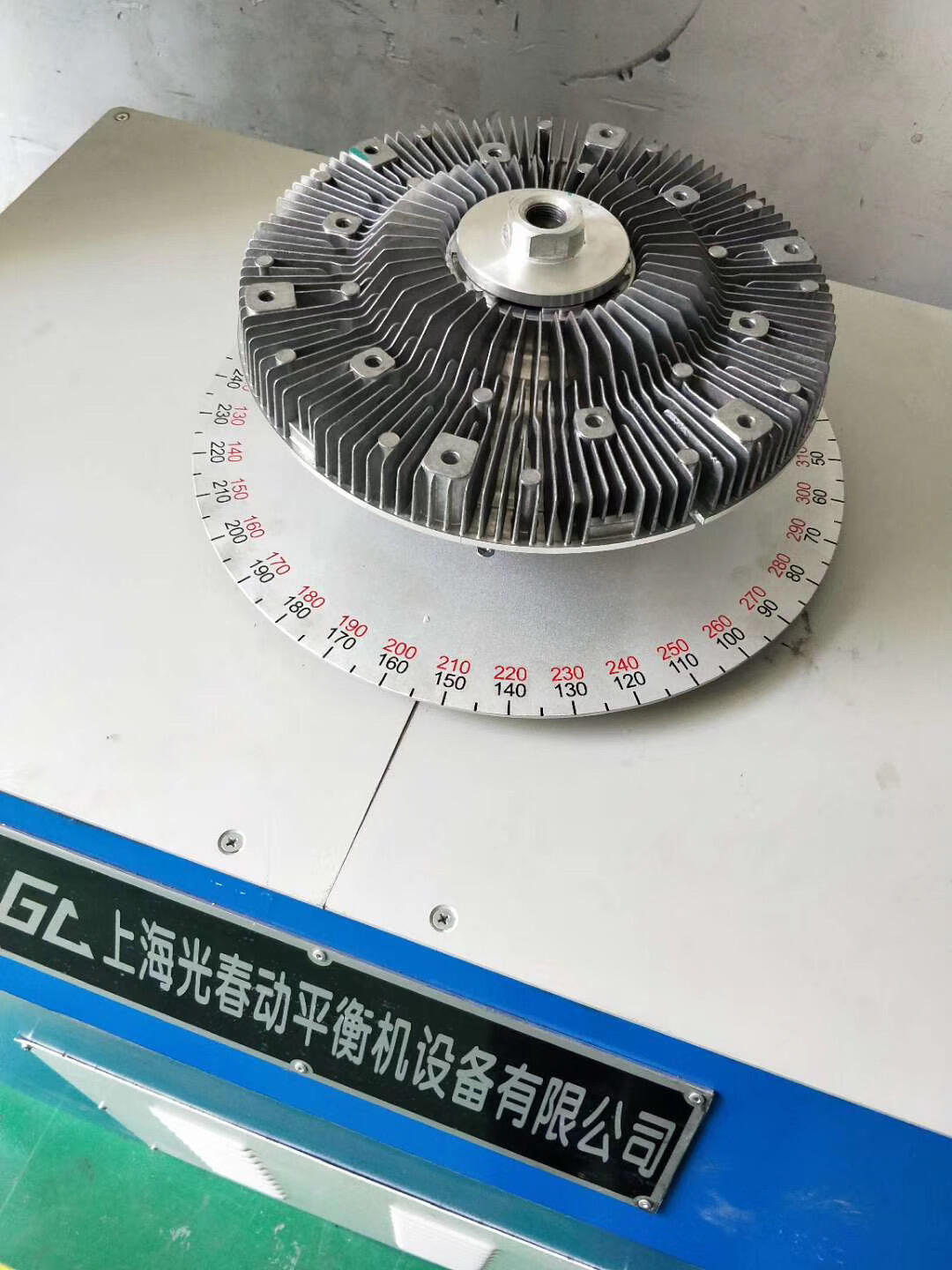
Modern üretim ortamları, özellikle kritik dönen ekipmanlar açısından, benzersiz düzeyde kalite izlenebilirliği gerektirmektedir. Entegre veri kaydı özelliklerine sahip bir rotor dengeleme makinesi, tesisinizde gerçekleştirilen her dengeleme işleminin ayrıntılı ve zaman damgalı kayıtlarını oluşturarak kalite kontrol süreçlerinizi önemli ölçüde geliştirebilir. Bu kapsamlı belgelendirme yalnızca düzenleyici gereksinimleri karşılamakla kalmaz, aynı zamanda ekipman performansı eğilimleri ve operasyonel tutarlılık hakkında değerli içgörüler de sağlar.
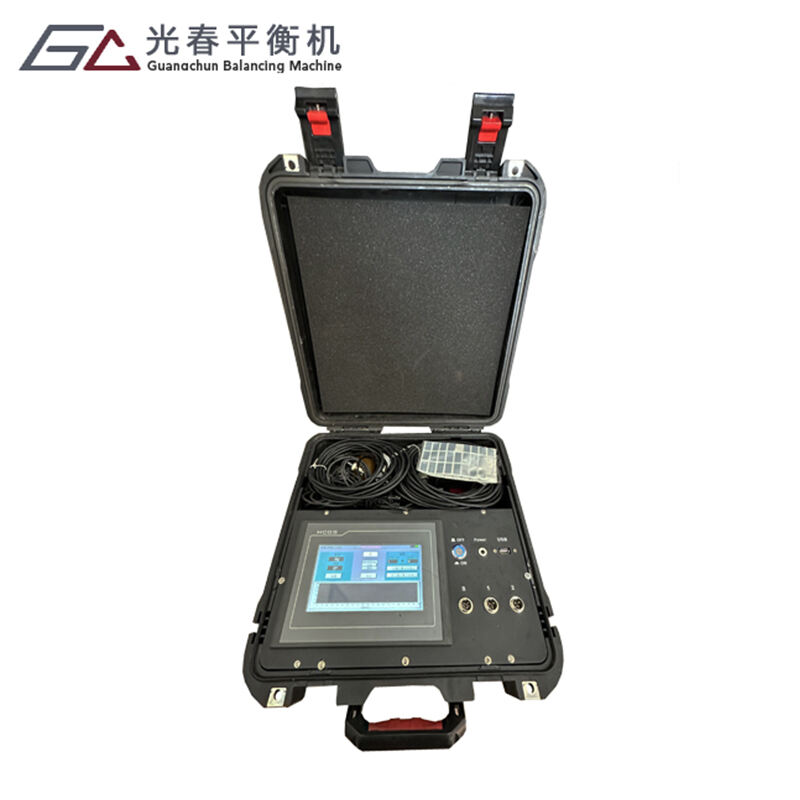
Veri kaydı işlevinin rotor dengesizlik işlemlerine entegre edilmesi, reaktif kalite yönetiminden proaktif kalite yönetimine yönelik temel bir geçişi temsil eder. Rotor dengesizlik makineniz ölçüm verilerini, düzeltme ağırlıklarını ve işletme parametrelerini otomatik olarak yakalayıp sakladığında, sürekli iyileştirme girişimlerini destekleyen ve ISO 9001 ile AS9100 gibi sektör standartlarına uyumun sağlandığını kanıtlayan değerli bir denetim izi oluşturursunuz.
Gelişmiş Belgelendirme ve Denetim İzleri Oluşturma
Kapsamlı Veri Yakalama Yetenekleri
Entegre veri kaydı sistemleriyle donatılmış bir rotor dengesizlik makinesi, temel titreşim ölçümlerinden çok daha fazlasını yakalar. Bu gelişmiş sistemler, başlangıçtaki dengesizlik okumalarını, düzeltme ağırlığı hesaplamalarını, nihai kalan dengesizlik değerlerini ve dengelenme işlemlerinin tam sırasını kaydeder. Bu kapsamlı veri toplama, dengelenme sürecinin her yönünün kesin zaman damgalarıyla ve operatör tanımlamasıyla belgelenmesini sağlar.
Veri kaydı işlevselliği, sayısal değerleri aşarak çevresel koşulları, ekipman kalibrasyon durumunu ve dengelenme işlemi sırasında tespit edilen herhangi bir anormalliği de içerir. Bu düzeyde ayrıntı, kalite yöneticilerine dengelenme sürecine tam olarak gözlem imkânı sağlar ve böylece ürün kalitesini veya müşteri memnuniyetini etkilemeden önce örüntüleri ve potansiyel sorunları belirlemelerini sağlar.
Modern rotor dengelenme makinesi sistemleri ayrıca mevcut kurumsal kaynak planlama (ERP) yazılımlarıyla entegre olabilir; bu sayede dengelenme kayıtları otomatik olarak belirli parça numaralarına, iş emirlerine ve müşteri gereksinimlerine bağlanır. Bu sorunsuz entegrasyon, manuel veri girişi hatalarını ortadan kaldırır ve kalite belgelerinin üretim programları ile teslimat taahhütleriyle senkronize kalmasını sağlar.
Gerçek zamanlı kalite izleme
Veri kaydetme sistemlerinin gerçek zamanlı izleme yetenekleri, kalite personelinin işlemler gerçekleşirken dengeleme performansını takip etmesine olanak tanır. İstatistiksel süreç kontrol grafikleri otomatik olarak oluşturulabilir; bu grafikler, dengeleme sonuçlarının özellik sınırlarına yaklaştığını veya endişe verici eğilimler gösterdiğini vurgular. Bu anlık geri bildirim, hızlı düzeltici önlemler alınmasını sağlar ve uygun olmayan parçaların üretimini önler.
Rotor dengeleme makinesiyle entegre edilen uyarı sistemleri, ölçümler önceden belirlenmiş eşik değerleri aştığında veya ekipmanın kalibrasyonunun yapılması gerektiğinde müdürleri bilgilendirir. Bu proaktif bildirimler, tutarlı kalite standartlarının korunmasına yardımcı olur ve müşteri ilişkilerini ve düzenleyici uyumluluğu etkileyebilecek kalite kaçaklarının riskini azaltır.
Birçok dengeleme istasyonunu aynı anda izleme yeteneği, tesis yöneticilerine tüm dengeleme operasyonlarına dair kapsamlı bir genel bakış sağlar. Gösterge paneli ekranları, gerçek zamanlı durumu, verimlilik metriklerini ve kalite göstergelerini üretim alanının tamamında görüntüleyebilir; bu da kaynak tahsisi ve süreç optimizasyonu ile ilgili veriye dayalı kararların alınmasını sağlar.
Mevzuata Uyum ve Standartlara Uygunluk
Endüstriye özel gereksinimleri karşılamak
Farklı sektörler, kalite belgelendirmesi ve izlenebilirlik açısından değişken gereksinimler öngörür. Havacılık uygulamaları genellikle katı dengeleme standartlarına uygunluğu kanıtlayan ayrıntılı kayıtlar gerektirirken, otomotiv üreticileri istatistiksel süreç kontrolüne ve sürekli iyileştirme metriklerine odaklanır. Yapılandırılabilir veri kaydı özelliği bulunan bir rotor dengeleme makinesi, operasyonel verimliliği zedelemeksizin bu çeşitlilikteki düzenleyici gereksinimleri karşılamak üzere özelleştirilebilir.
İlaç ve tıbbi cihaz endüstrileri, tam parti kayıtları ve doğrulama protokolleri de dahil olmak üzere özellikle katı belgelendirme standartları gerektirir. Entegre veri kaydı sistemleri, düzenleyici kurumlara yapılacak başvurular için gerekli ayrıntılı raporları otomatik olarak oluşturabilir; bu da idari yükü azaltırken FDA ve diğer düzenleyici kurumların gereksinimlerine uyum sağlar.
Nükleer ve enerji üretim tesisleri, güvenlik açısından kritik dönen bileşenler için kapsamlı belgelendirme gerektirir. Gelişmiş rotor dengesizlik ölçüm makinesi sistemlerinin veri kaydı yetenekleri, güvenlik analizlerini ve düzenleyici denetimleri desteklemek için gerekli ayrıntılı teknik kayıtları sağlayabilir; aynı zamanda kritik bileşenler için gerekli olan sorumluluk zincirini korur.
Denetim Hazırlığı ve Belgelendirme
Düzenleyici denetimleri veya müşteri değerlendirmeleri gerçekleştiğinde, kapsamlı veri kaydı kayıtlarının kolayca erişilebilir olması, kuruluşunuzun kaliteye ve süreç kontrolüne bağlılığını gösterir. Rotor dengesizlik ölçüm makinesi verileri hızlıca erişilebilir ve denetçi gereksinimlerini karşılayacak ve kalite yönetim sisteminizin etkinliğini sergileyecek şekilde standart raporlara dönüştürülebilir.
Entegre kaydetme sistemleri tarafından depolanan geçmiş veriler, süreç iyileştirmelerini belirlemeye ve sürekli iyileştirme girişimlerini göstermeye yönelik eğilim analizlerine olanak tanır. Denetçiler, veriye dayalı karar alma ve proaktif kalite yönetimi gibi kanıtları giderek daha çok aramaktadır; bu iki unsur da kapsamlı dengesizlik ölçüm verisi kayıtlarıyla desteklenmektedir.
Dijital imzalar ve güvenli veri depolama özellikleri, kaydedilen bilgilerin uzun süreli olarak bütünlüğünü korumasını sağlar. Bu veri güvenliği, denetim izi geçerliliğinin korunması ve veri manipülasyonu veya kalite sistemi başarısızlıkları iddialarına karşı korunma açısından hayati öneme sahiptir.
Süreç İyileştirme ve Optimizasyon Avantajları
İstatistiksel Analiz ve Eğilim Belirleme
Entegre kayıt özelliğiyle donatılmış bir rotor dengelme makinesi tarafından üretilen zengin veri yelpazesi, ince süreç varyasyonlarını ve iyileştirme fırsatlarını ortaya çıkaran karmaşık istatistiksel analizler yapılmasına olanak tanır. Kontrol grafikleri, yetkinlik çalışmaları ve korelasyon analizleri, kalite varyasyonlarının kök nedenlerini belirlemeye ve hedefe yönelik iyileştirme çabalarını yönlendirmeye yardımcı olur.
Uzun vadeli trend analizi, günlük operasyonlardan belirgin olmayan mevsimsel değişiklikleri, ekipman aşınma modellerini ve operatör performansı farklarını ortaya çıkarabilir. Bu içgörü, tahmine dayalı bakım stratejileri ve genel süreç yeteneğini artıran ve kalite maliyetlerini azaltan hedefe yönelik eğitim programları geliştirilmesini sağlar.
Makine öğrenimi algoritmaları, tarihsel dengeleme verilerine uygulanarak ekipmanın bakımının ne zaman gerekli olacağını veya süreç parametrelerinin ne zaman ayarlanması gerektiğini tahmin edebilir. Bu tahmine dayalı yaklaşım, beklenmedik duruş sürelerini en aza indirir ve kaliteli çıktının tutarlı olmasını sağlar. rotor dengeleme makinesi operasyonlar.
Performans Karşılaştırması ve Standartlaştırma
Veri kaydı, farklı operatörler, vardiyalar ve ekipman konfigürasyonları arasında nesnel performans karşılaştırmalarının yapılmasını sağlar. Bu karşılaştırma özelliği, kuruluş genelinde standartlaştırılabilecek en iyi uygulamaları belirlemeye yardımcı olur ve daha tutarlı kalite sonuçları ile artırılmış operasyonel verimliliğe yol açar.
Entegre veri kaydı sistemleri tarafından oluşturulan ayrıntılı kayıtlar, kalite sorunları oluştuğunda kök neden analizini destekler. Tam süreç parametrelerine ve çevresel koşullara erişim, kalite mühendislerinin uygunluk dışı durumlara katkıda bulunan faktörleri hızlıca tespit etmesine ve etkili düzeltici önlemler uygulamasına olanak tanır.
Rotor dengesizlik makinesi verilerinden elde edilen performans metrikleri, operatör eğitim programlarına ve performans değerlendirme sistemlerine dahil edilebilir. Dengelenme doğruluğu, çevrim süreleri ve ilk geçiş başarı oranları hakkında nesnel veriler, beceri geliştirme ve takdir programları için adil ve tutarlı bir temel sağlar.
Maliyet Azaltımı ve Verimlilik İyileştirmeleri
Azaltılmış Manuel Belgeleme Yükü
Geleneksel kalite belgelendirme süreçleri, ölçümlerin kaydedilmesi, düzeltmelerin hesaplanması ve kalite kayıtlarının tutulması için önemli ölçüde manuel çaba gerektirir. Entegre veri kaydı özelliğine sahip bir rotor dengesizlik ölçüm cihazı, bu manuel işlerin büyük kısmını ortadan kaldırır ve kalite personelinin veri aktarımı yerine analiz ve iyileştirme faaliyetlerine odaklanmasını sağlar.
Manuel veri girişi işleminin ortadan kaldırılması, kalite kaçaklarına veya gereksiz yeniden işlenmelere neden olabilecek aktarım hataları riskini de azaltır. Otomatik veri yakalama, kaydedilen bilgilerin gerçek makine ölçümlerini ve süreç koşullarını doğru şekilde yansıttığından emin olur ve böylece kalite belgelendirmesinin güvenilirliğini artırır.
Kalite kayıtlarının dijital olarak saklanması, kağıt tabanlı belgelendirme sistemleriyle ilişkili alan ve bakım maliyetlerini ortadan kaldırır. Gelişmiş arama ve geri çağırma yetenekleri, denetimler sırasında veya müşteri sorgularında belirli kayıtların bulunmasını kolaylaştırır; bu da idari maliyetleri azaltır ve müşteri hizmetleri yanıt verme hızını artırır.
Daha Hızlı Sorun Çözümü ve Azaltılmış Yeniden İşleme
Kalite sorunları ortaya çıktığında, rotor dengelme makinesinden alınan ayrıntılı tarihsel veriler, sorunların hızlı teşhis edilmesini ve çözülmesini sağlar. Kalite mühendisleri, sorunların ne zaman başladığını, hangi ürünlerin etkilenebileceğini ve soruna katkıda bulunmuş olabilecek süreç değişikliklerini hızla belirleyebilir.
Rotorların bireysel seri numaralarının dengelme süreci boyunca takip edilmesi, gerektiğinde hedefe yönelik ürün geri çağırma veya yeniden işleme faaliyetlerinin gerçekleştirilmesine olanak tanır. Bu doğruluk, düzeltici işlemlerin kapsamını daraltır ve üretim programları ile müşteri teslimatları üzerindeki olumsuz etkiyi en aza indirir.
Veri kaydı eğilimlerine dayalı önleyici kalite önlemleri, uygun olmayan ürünlerin ortaya çıkmasına neden olacak potansiyel sorunları önceden tespit edebilir. Bu proaktif yaklaşım, hurda maliyetlerini, yeniden işleme giderlerini ve müşteri şikâyetleriyle ilgili masrafları azaltırken genel operasyonel verimliliği artırır.
SSS
Entegre veri kaydı özelliğine sahip bir rotor dengelme makinesi hangi tür verileri kaydetmelidir?
Kapsamlı bir rotor dengesizlik ölçüm makinesi veri kaydı sistemi, başlangıçtaki dengesizlik ölçümlerini, düzeltme ağırlığı hesaplamalarını, nihai kalıntılı dengesizlik değerlerini, çevresel koşulları, operatör kimliğini, ekipmanın kalibrasyon durumunu ve tüm işlemler için tam zaman damgalarını kaydetmelidir. Ek veriler arasında parça seri numaraları, iş emri bilgileri ve dengelenme sırasında yapılan herhangi bir süreç anormalliği veya ayarlama da yer alabilir.
Rotor dengelenmesi işlemlerinden elde edilen kalite izlenebilirliği verileri ne kadar süreyle saklanmalıdır?
Veri saklama gereksinimleri sektör ve uygulamaya göre değişmekle birlikte, çoğu kuruluş rotor dengesizlik ölçüm makinesi kalite kayıtlarını en az yedi yıl boyunca saklar. Havacılık ve tıbbi cihaz üreticileri daha uzun saklama süreleri gerektirebilir; bazı güvenlik açısından kritik uygulamalar ise kalıcı kayıt tutmayı zorunlu kılabilmektedir. Entegre veri kaydı sistemi, belirli düzenleyici ve müşteri gereksinimlerinizi karşılayacak şekilde güvenli ve sorgulanabilir bir depolama imkânı sağlamalıdır.
Entegre veri kaydı sistemleri, mevcut kalite yönetim yazılımlarıyla çalışabilir mi?
Modern rotor dengesizlik ölçüm makinesi veri kaydı sistemleri, çoğu kalite yönetim sistemi, kurumsal kaynak planlama yazılımı ve istatistiksel süreç kontrol uygulamalarıyla entegrasyonu sağlayan açık mimari ve standart iletişim protokolleriyle tasarlanmıştır. Bu entegrasyon özelliği, dengesizlik ölçüm verilerinin mevcut kalite iş akışlarına, kurulu süreçlerin bozulmaması koşuluyla dahil edilmesini sağlar.
Rotor dengesizlik ölçüm makinesi veri kaydı sistemleri için temel güvenlik hususları nelerdir?
Güvenlik hususları, depolama ve iletim sırasında veri şifrelemesini, kullanıcı kimlik doğrulamasını ve erişim denetimlerini, veri değişiklikleri için denetim kayıtlarını ve yedekleme ile kurtarma prosedürlerini içerir. Rotor dengelendirme makinesi kayıt sistemi, ilgili siber güvenlik standartlarına uygun olmalı ve kalite kayıtlarına yetkisiz değişikliklerin yapılmasını önlemek amacıyla veri bütünlüğünü sağlamak için dijital imza gibi özellikler sunmalıdır.
İçindekiler Tablosu
- Gelişmiş Belgelendirme ve Denetim İzleri Oluşturma
- Mevzuata Uyum ve Standartlara Uygunluk
- Süreç İyileştirme ve Optimizasyon Avantajları
- Maliyet Azaltımı ve Verimlilik İyileştirmeleri
-
SSS
- Entegre veri kaydı özelliğine sahip bir rotor dengelme makinesi hangi tür verileri kaydetmelidir?
- Rotor dengelenmesi işlemlerinden elde edilen kalite izlenebilirliği verileri ne kadar süreyle saklanmalıdır?
- Entegre veri kaydı sistemleri, mevcut kalite yönetim yazılımlarıyla çalışabilir mi?
- Rotor dengesizlik ölçüm makinesi veri kaydı sistemleri için temel güvenlik hususları nelerdir?

